
Classical
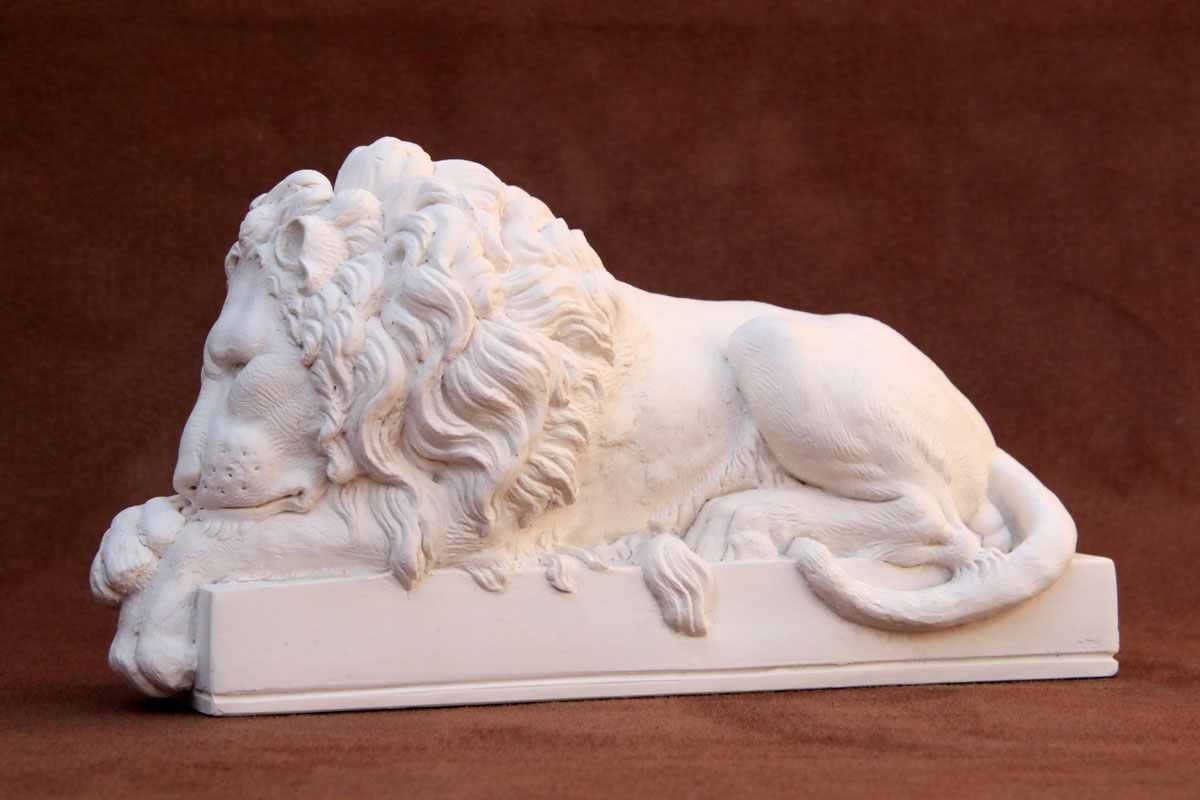
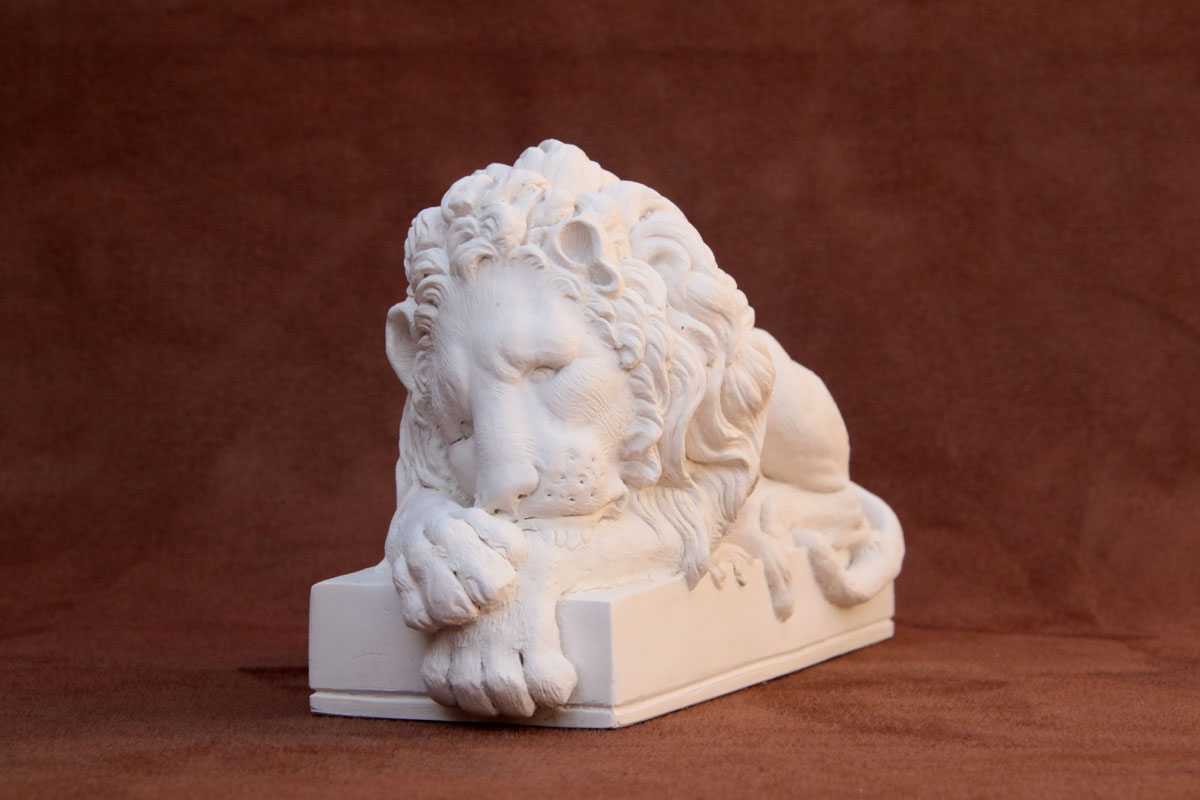
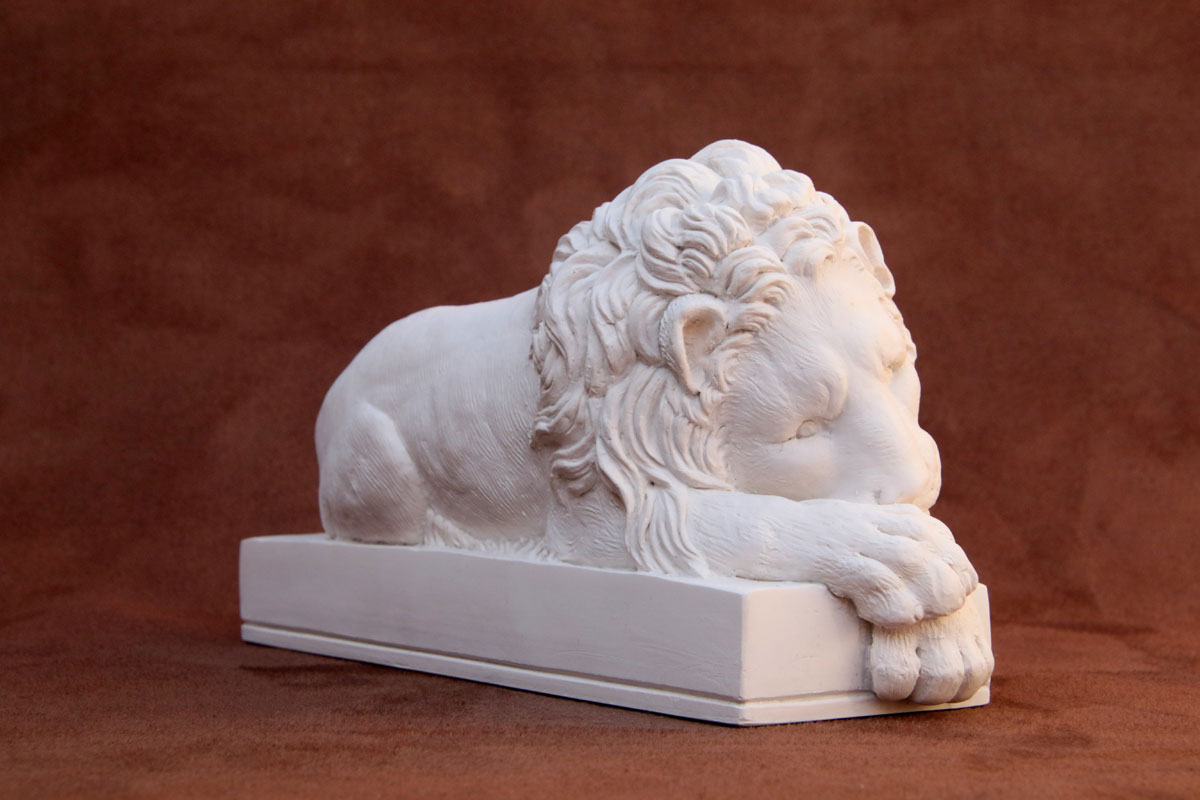
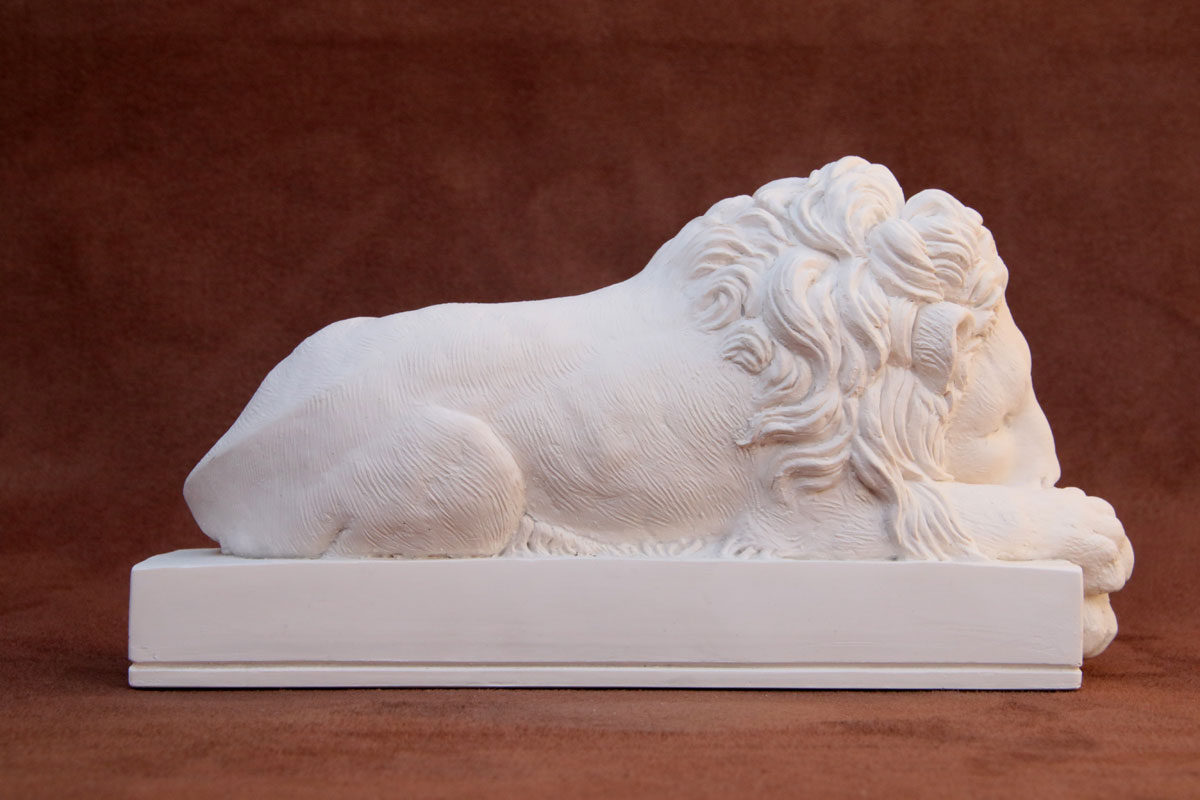
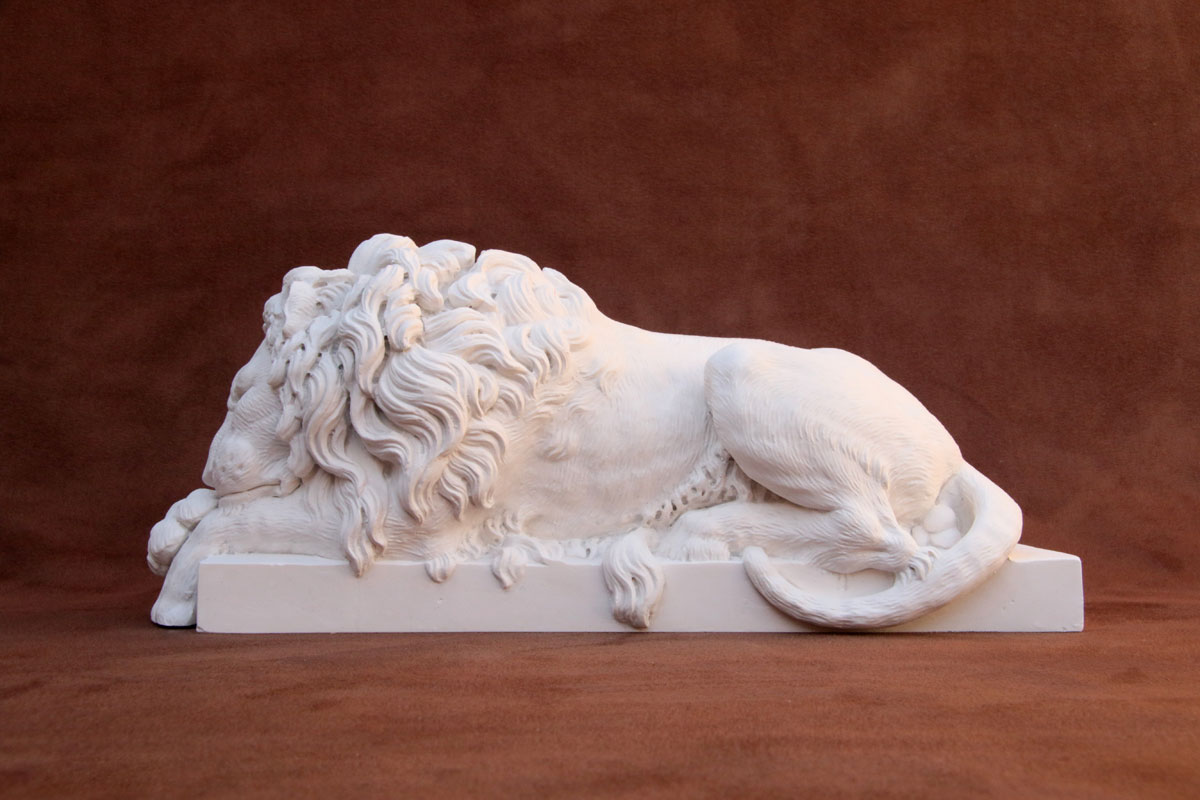
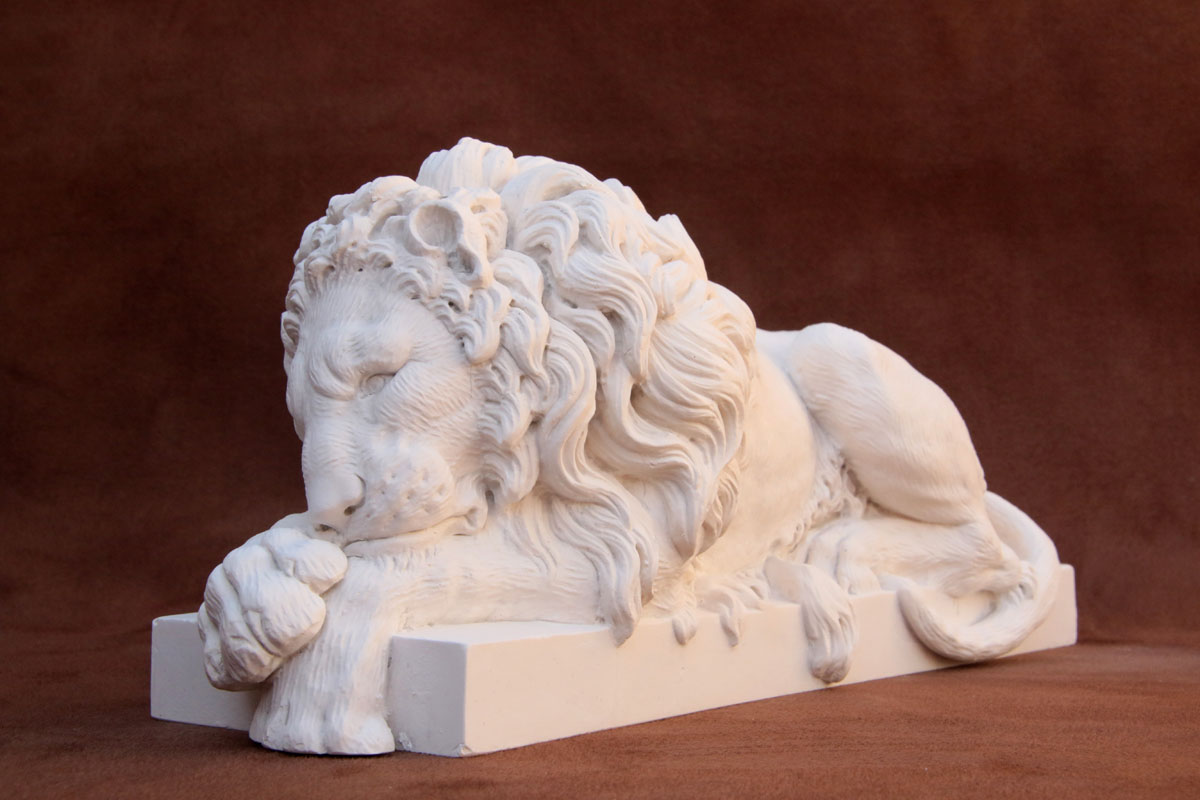
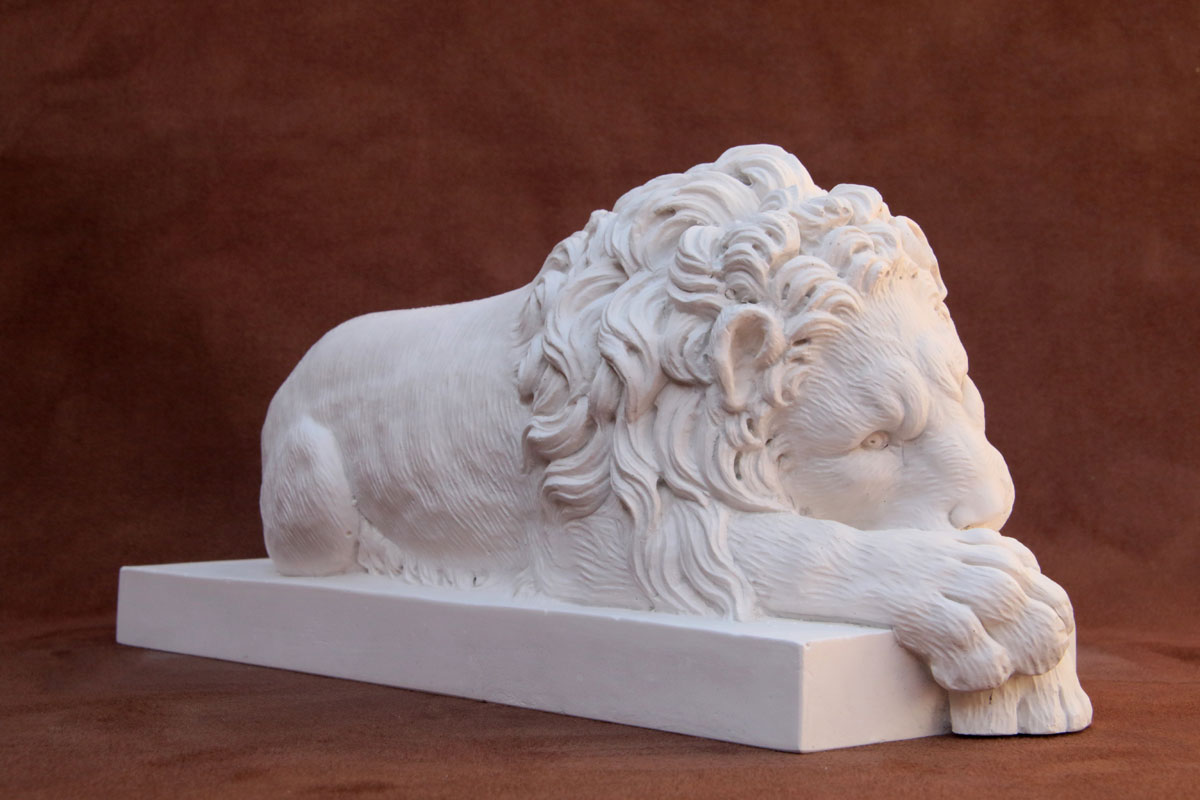
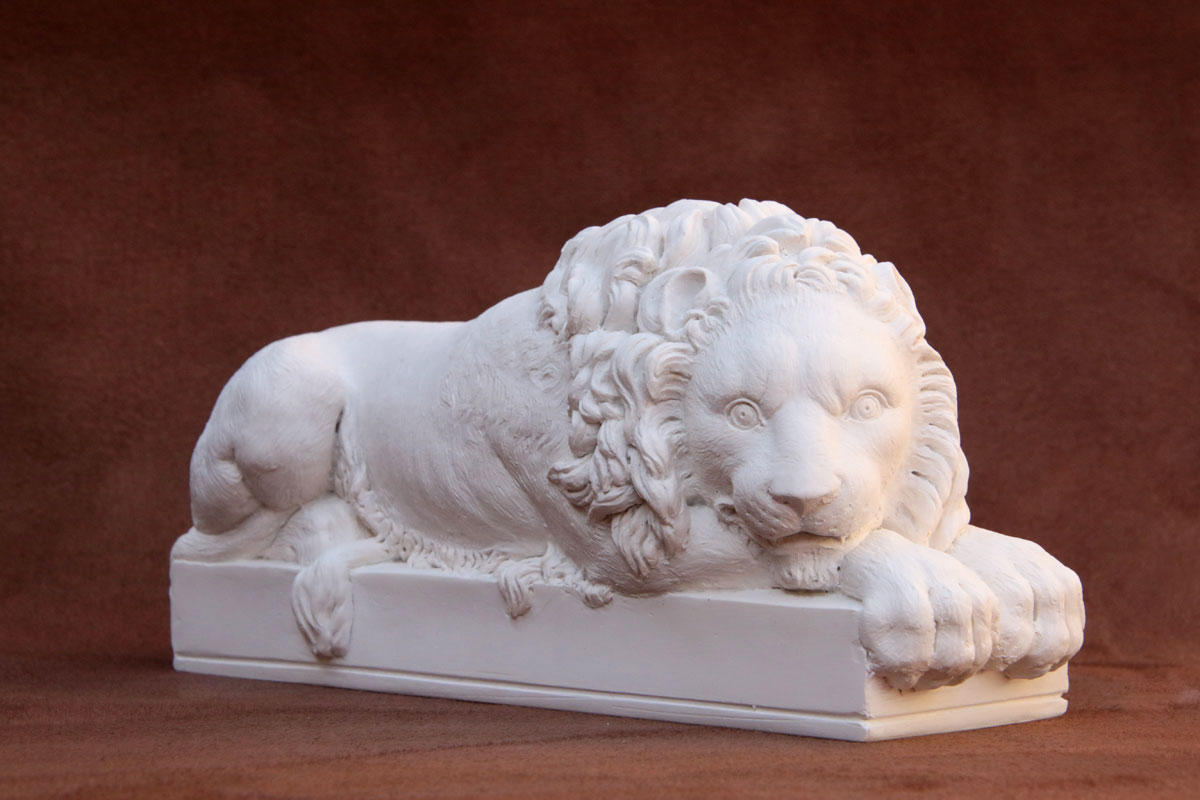
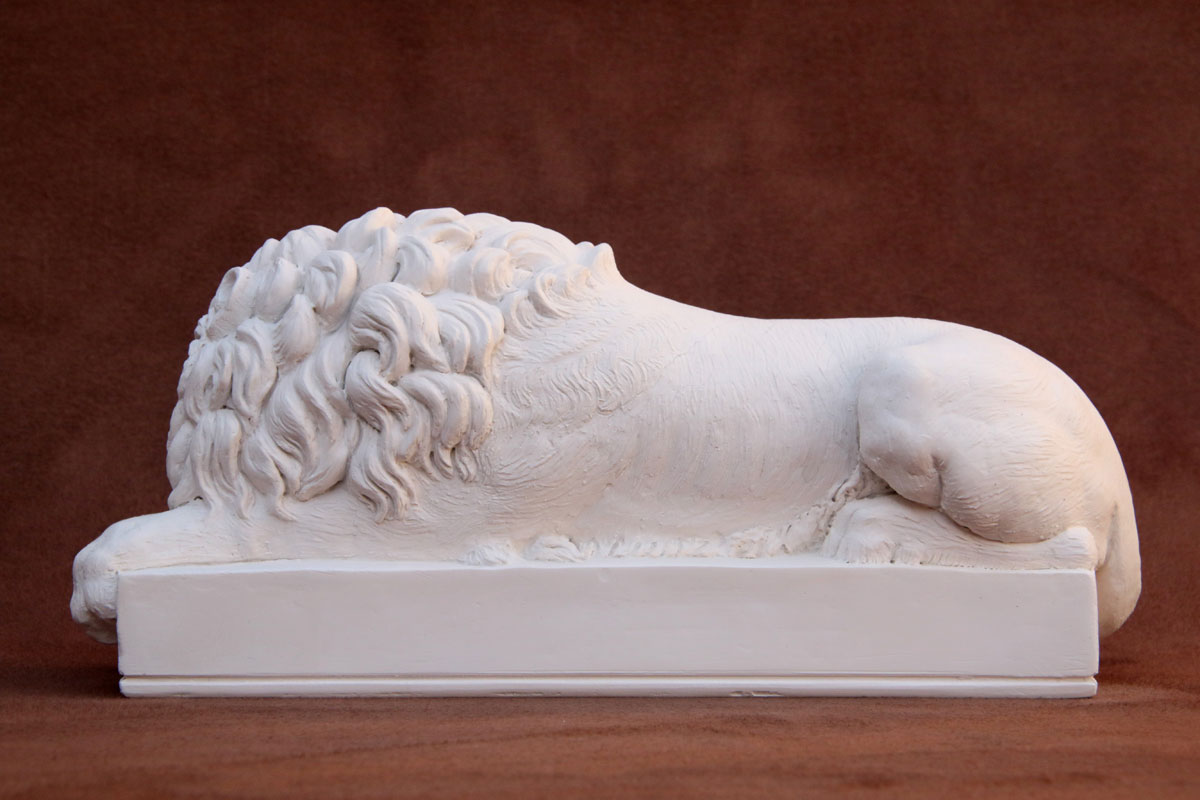
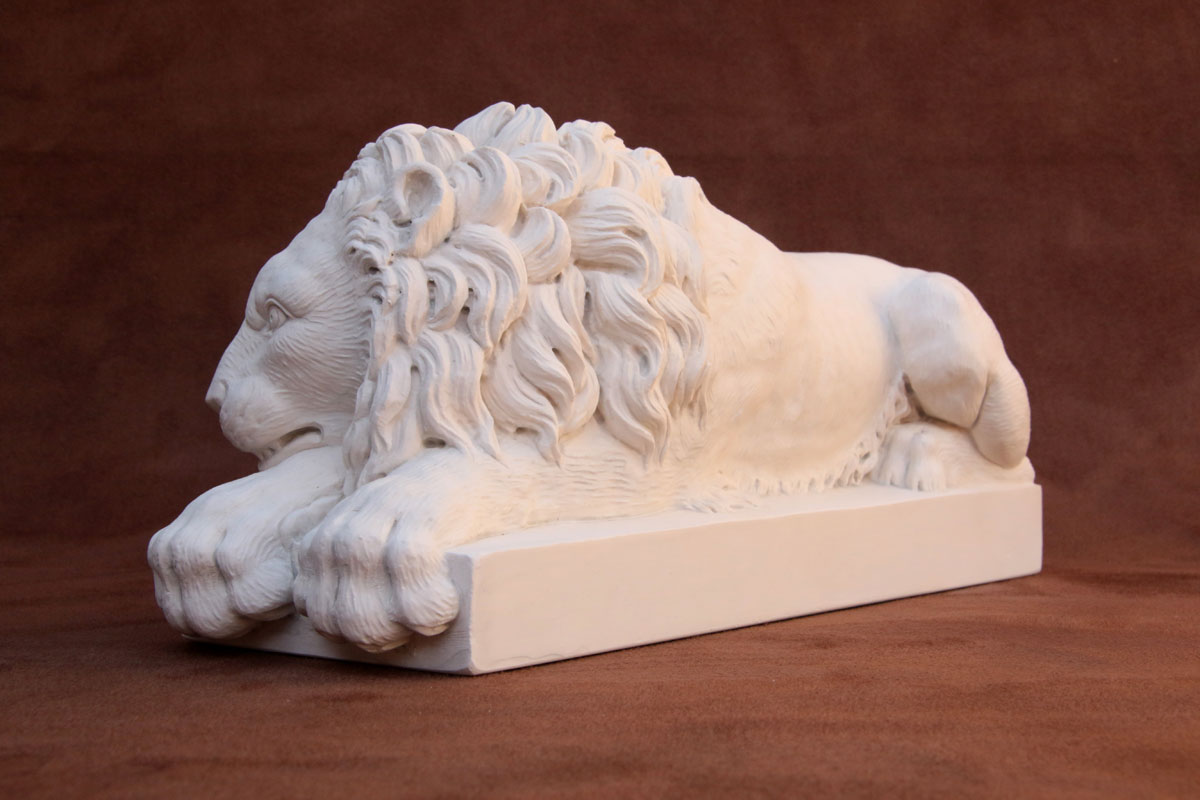
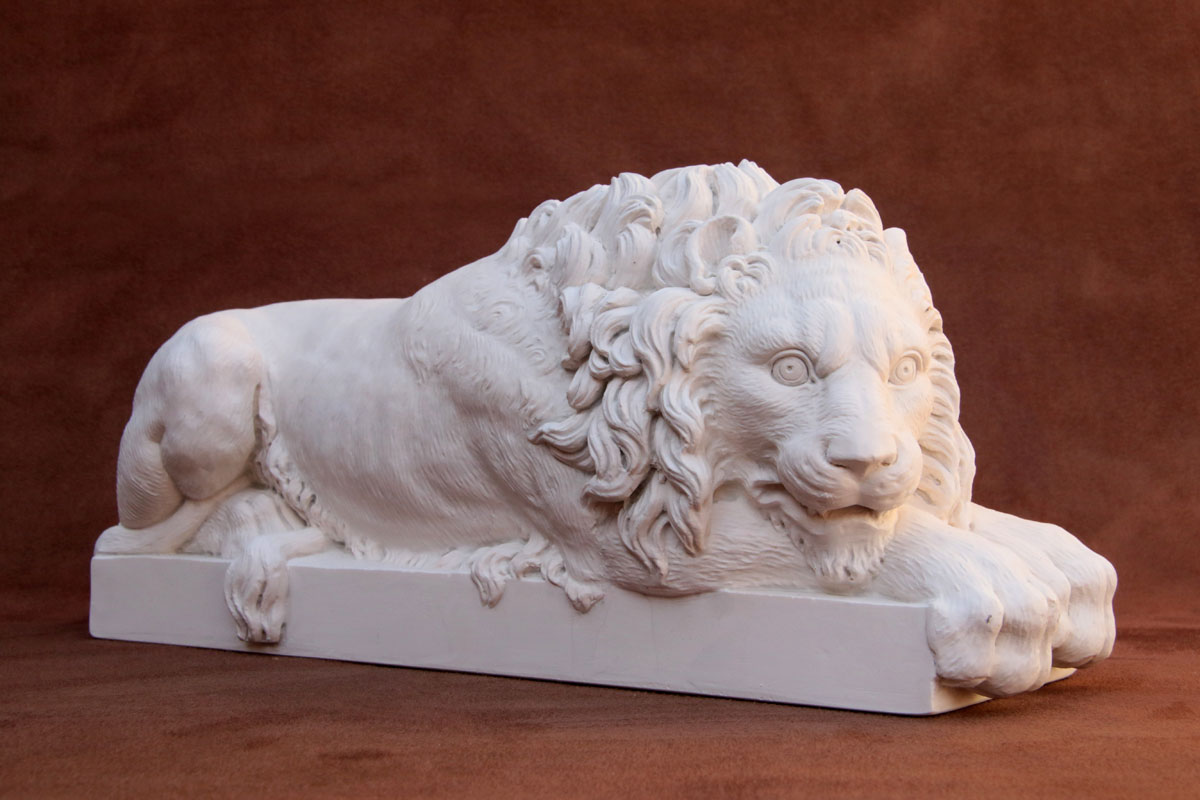
Canova Sleeping Lion
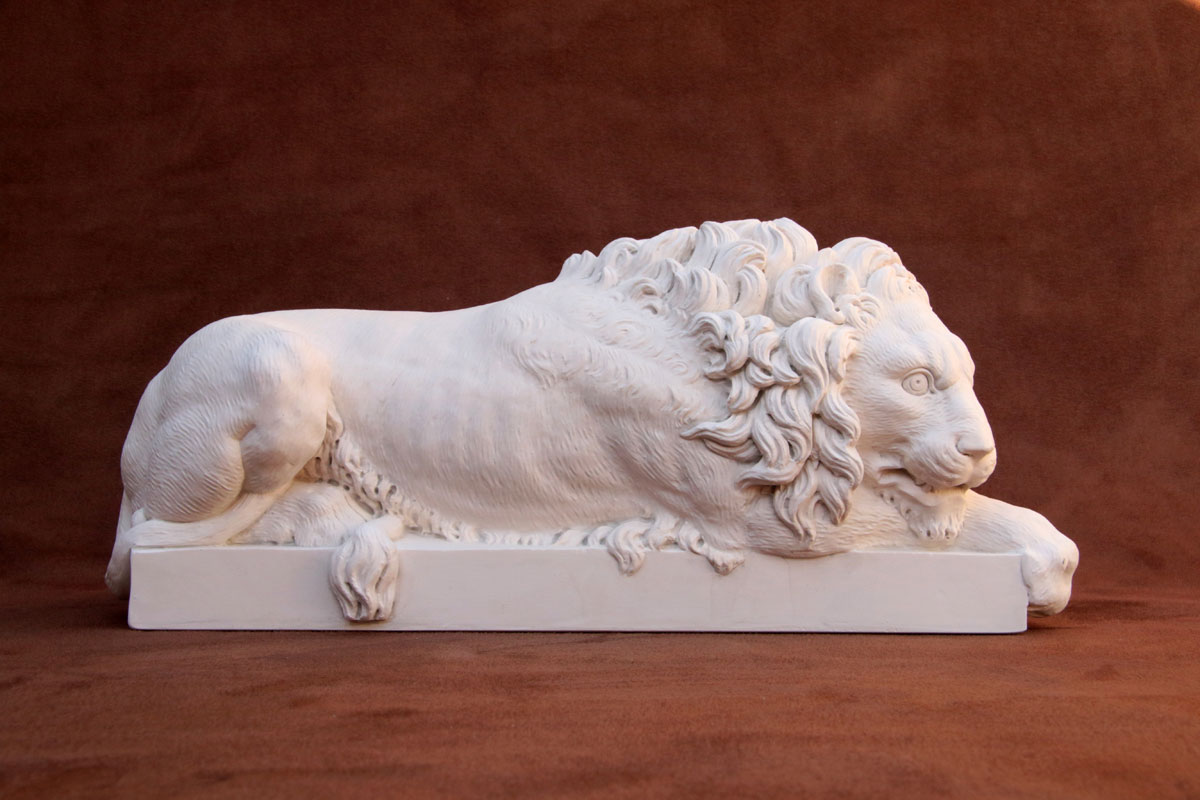
These reproductions were moulded directly from originals in a French private collection which were acquired around 1810 from the Canova workshop in Rome.
These reproductions were moulded directly from originals in a French private collection which were acquired around 1810 from the Canova workshop in Rome.
More Info
The original lions were created by the Italian artist, Antonio Canova (1757-1822). They were created in 1792 for the Monumental tomb of Pope Clement XIII in St.Peter's Basilica in Rome.
In the early 19th century a new interest in modern sculpture in the classical style developed, centred on the work of the Italian sculptor Antonio Canova. In Britain, his greatest patron was the 6th Duke of Devonshire whose gallery survives at the Chatsworth in Derbyshire.
Many British collectors developed a taste for classical sculpture during the Grand Tour that they took through Europe as young men. On their return, they commissioned specially designed settings for the sculpture they had bought, either in their London or their country houses.
Large - Length 32cm
In the early 19th century a new interest in modern sculpture in the classical style developed, centred on the work of the Italian sculptor Antonio Canova. In Britain, his greatest patron was the 6th Duke of Devonshire whose gallery survives at the Chatsworth in Derbyshire.
Many British collectors developed a taste for classical sculpture during the Grand Tour that they took through Europe as young men. On their return, they commissioned specially designed settings for the sculpture they had bought, either in their London or their country houses.
Large - Length 32cm
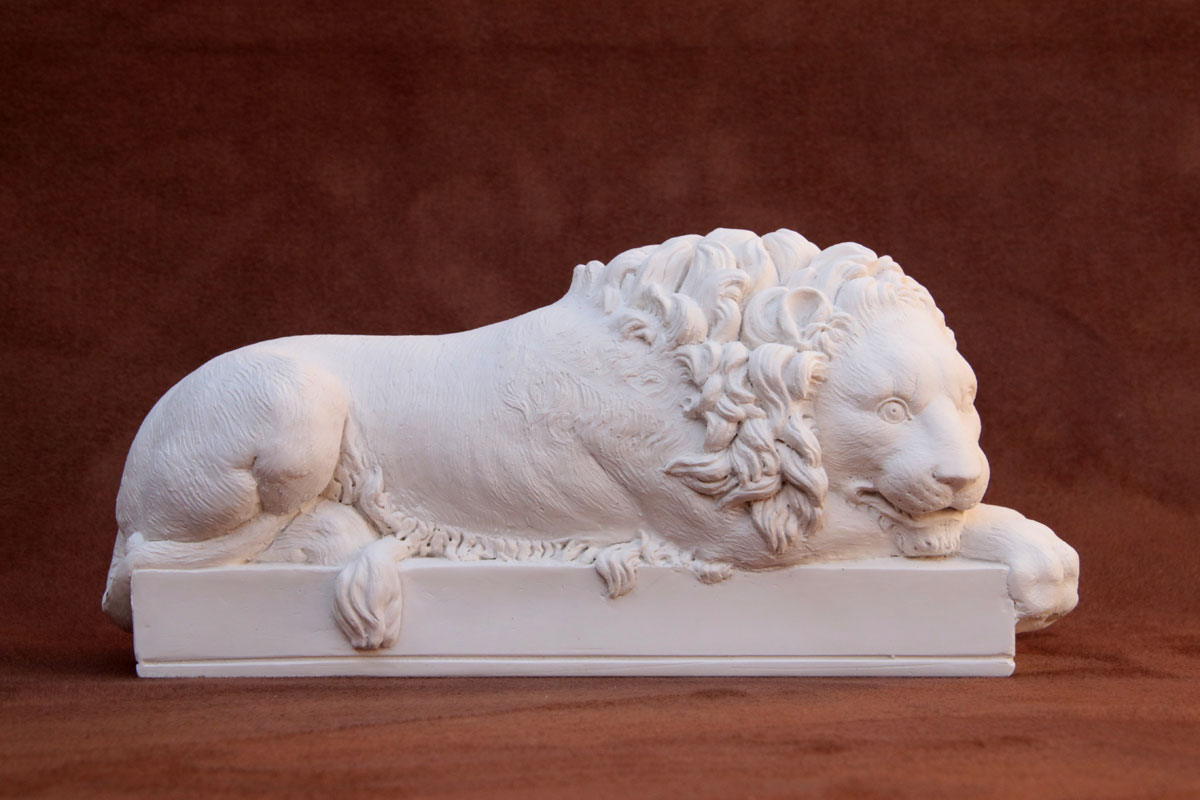
Canova Crouching Lion
In the early 19th century a new interest in modern sculpture in the classical style developed, centred on the work of the Italian sculptor Antonio Canova.
In the early 19th century a new interest in modern sculpture in the classical style developed, centred on the work of the Italian sculptor Antonio Canova.
More Info
In Britain, his greatest patron was the 6th Duke of Devonshire whose gallery survives at the Chatsworth in Derbyshire.
Many British collectors developed a taste for classical sculpture during the Grand Tour that they took through Europe as young men.
On their return, they commissioned specially designed settings for the sculpture they had bought, either in their London or their country houses.
These reproductions were moulded directly from originals in a French private collection which were acquired around 1810 from the Canova workshop in Rome. The original lions were created by the Italian artist, Antonio Canova (1757-1822).
They were created in 1792 for the Monumental tomb of Pope Clement XIII in St.Peter's Basilica in Rome.
Large - Length 32cm
Many British collectors developed a taste for classical sculpture during the Grand Tour that they took through Europe as young men.
On their return, they commissioned specially designed settings for the sculpture they had bought, either in their London or their country houses.
These reproductions were moulded directly from originals in a French private collection which were acquired around 1810 from the Canova workshop in Rome. The original lions were created by the Italian artist, Antonio Canova (1757-1822).
They were created in 1792 for the Monumental tomb of Pope Clement XIII in St.Peter's Basilica in Rome.
Large - Length 32cm
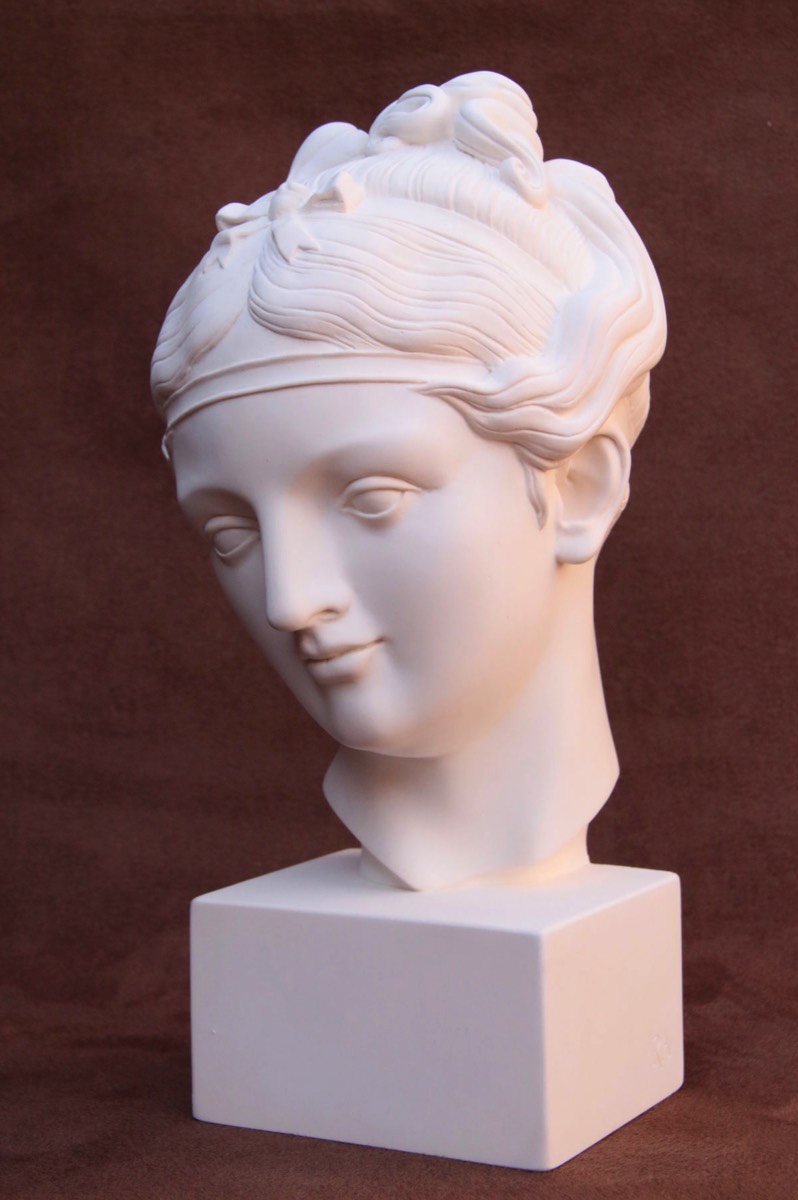
Classical Lady Head
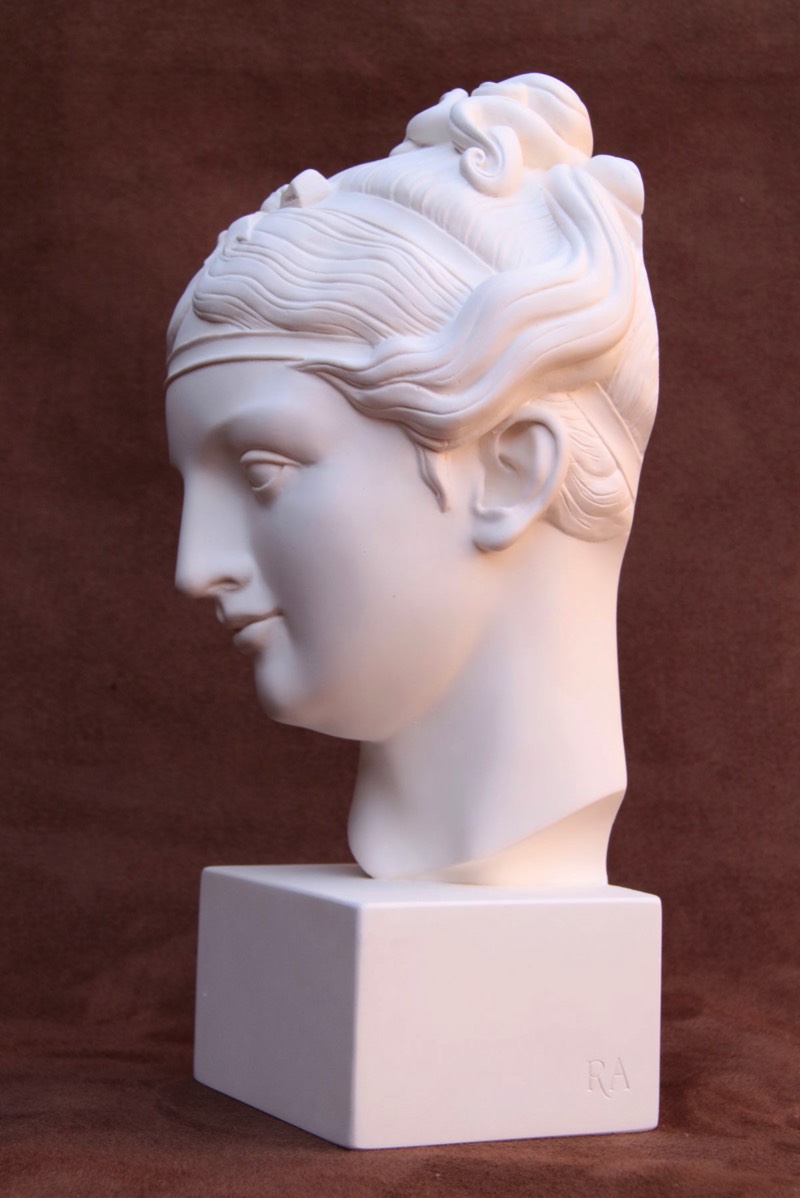
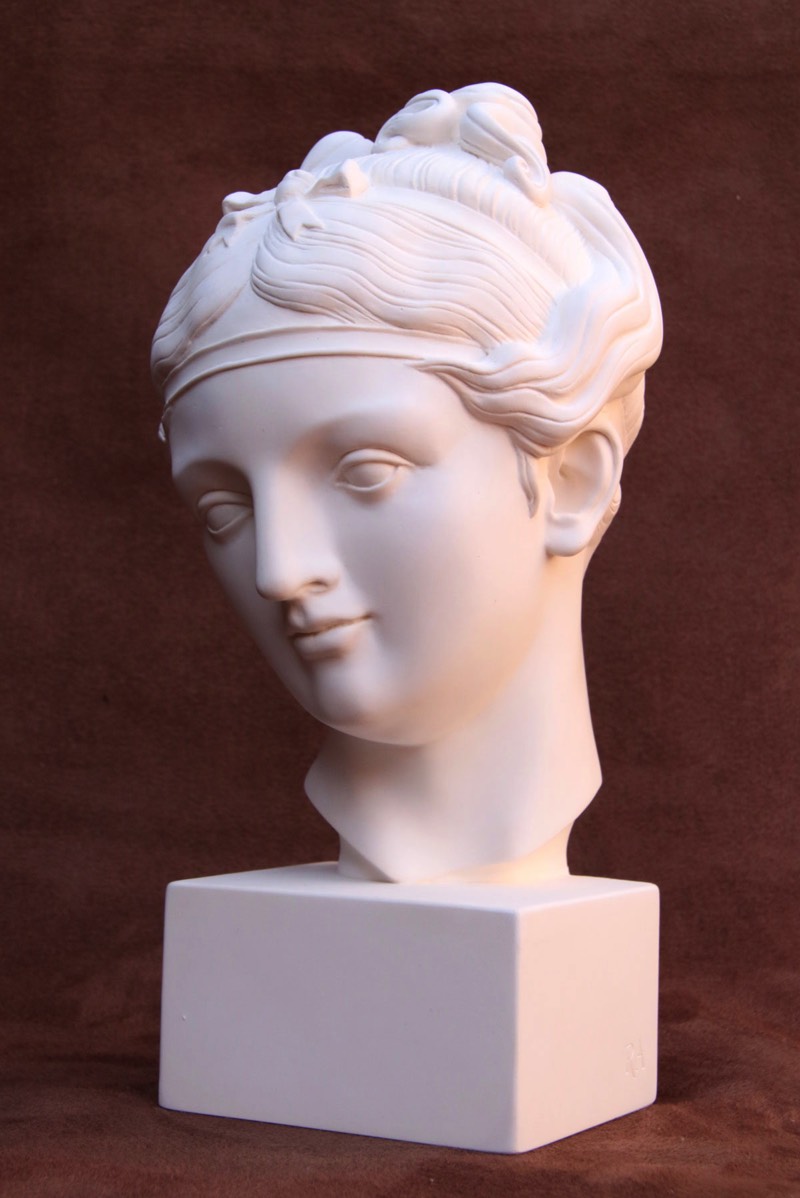
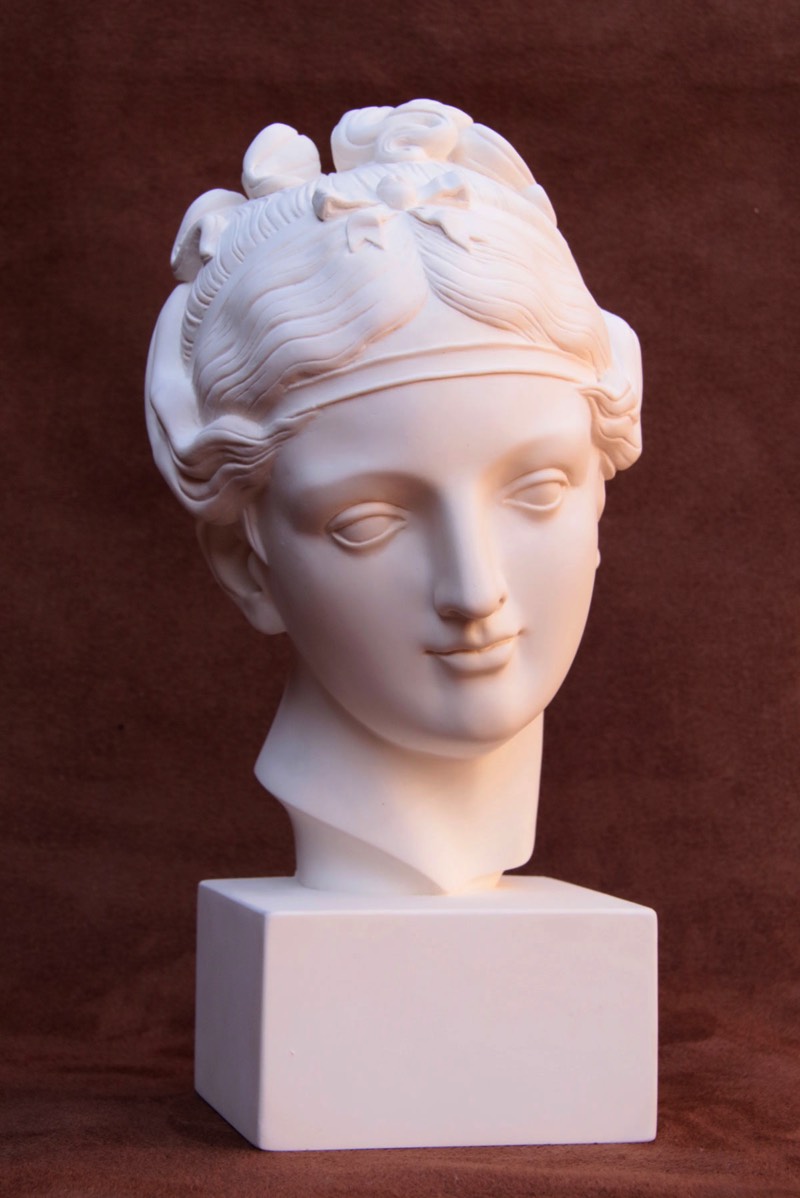
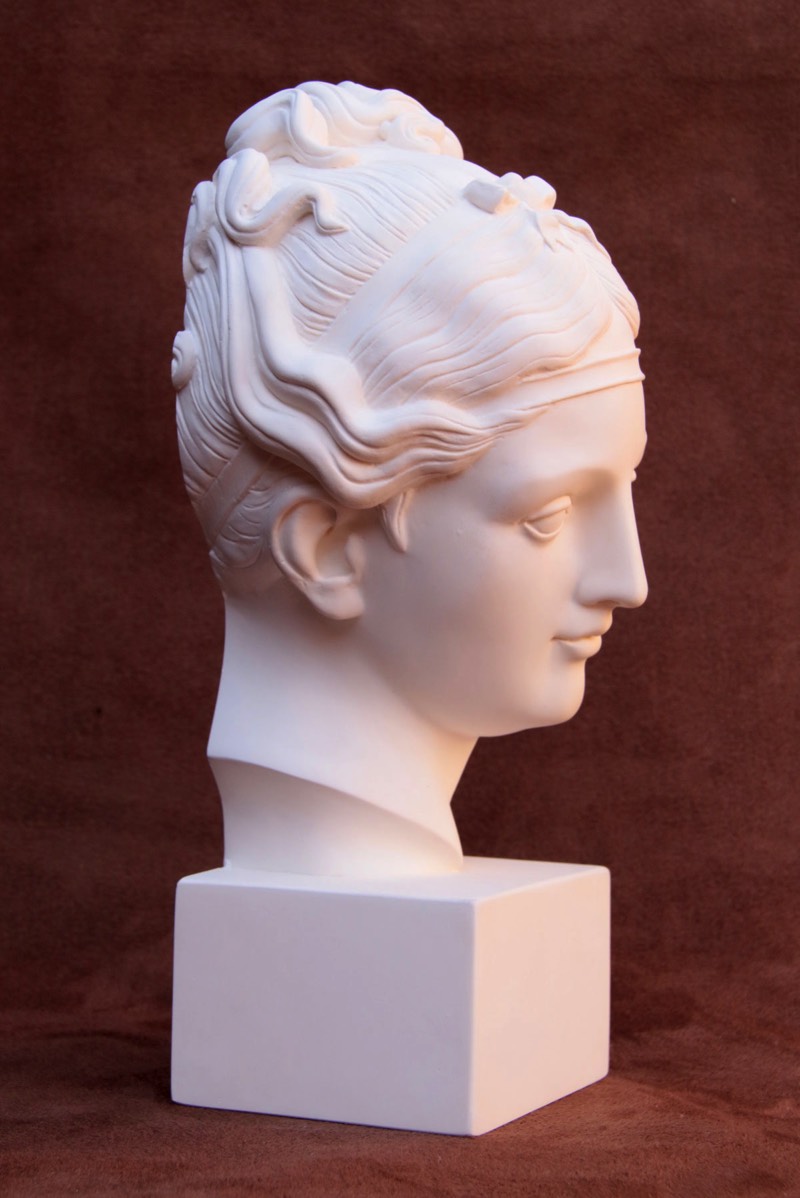
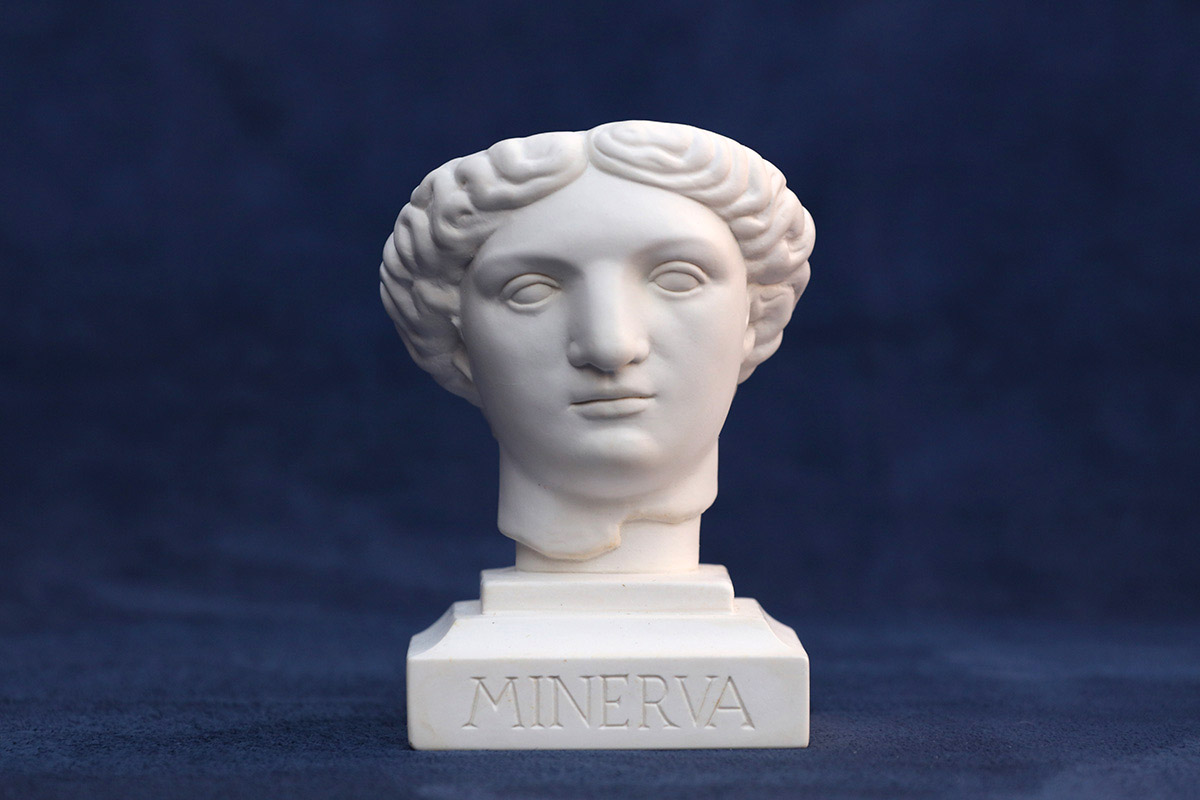
Rudolph Schadow (1786 – 1822) was a German born sculptor, who travelled to Italy at the tender age of 10 to begin his artistic education.
Rudolph Schadow (1786 – 1822) was a German born sculptor, who travelled to Italy at the tender age of 10 to begin his artistic education.
More Info
Schadow's style was greatly influenced by the work of Antonio Canova and Bertel Thorvaldsen.
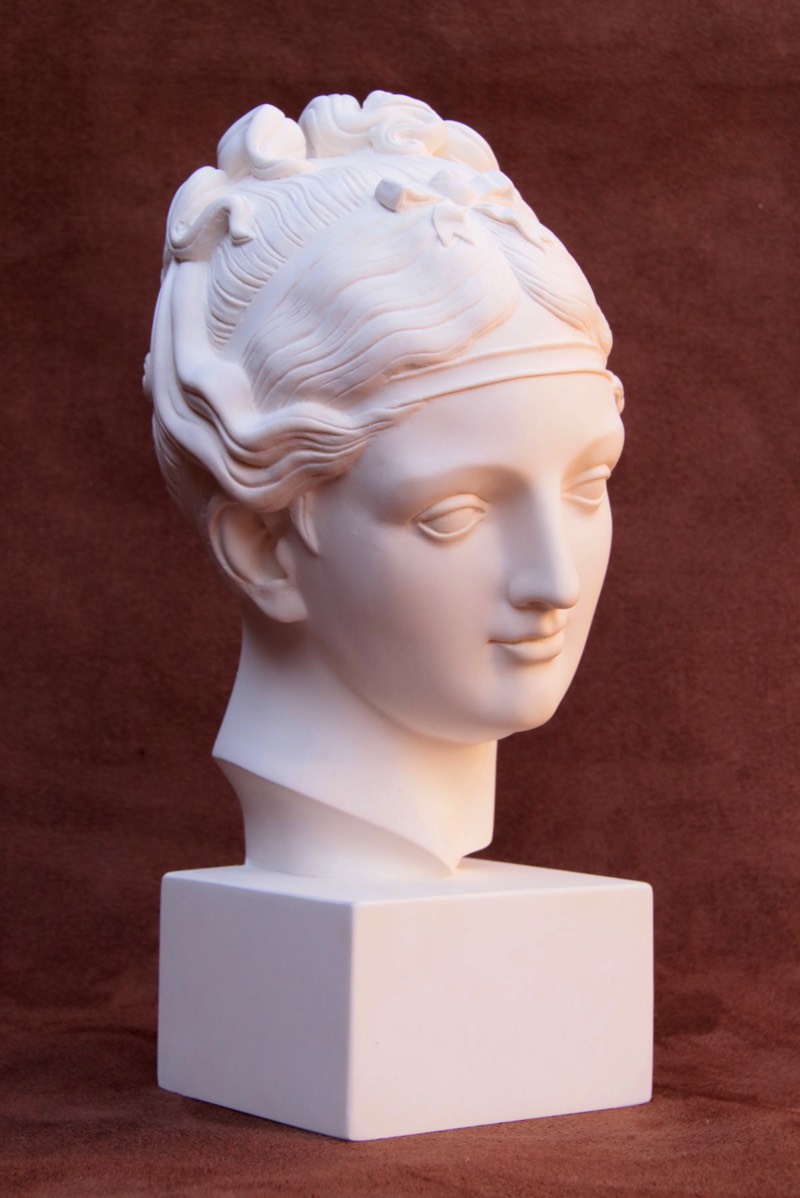
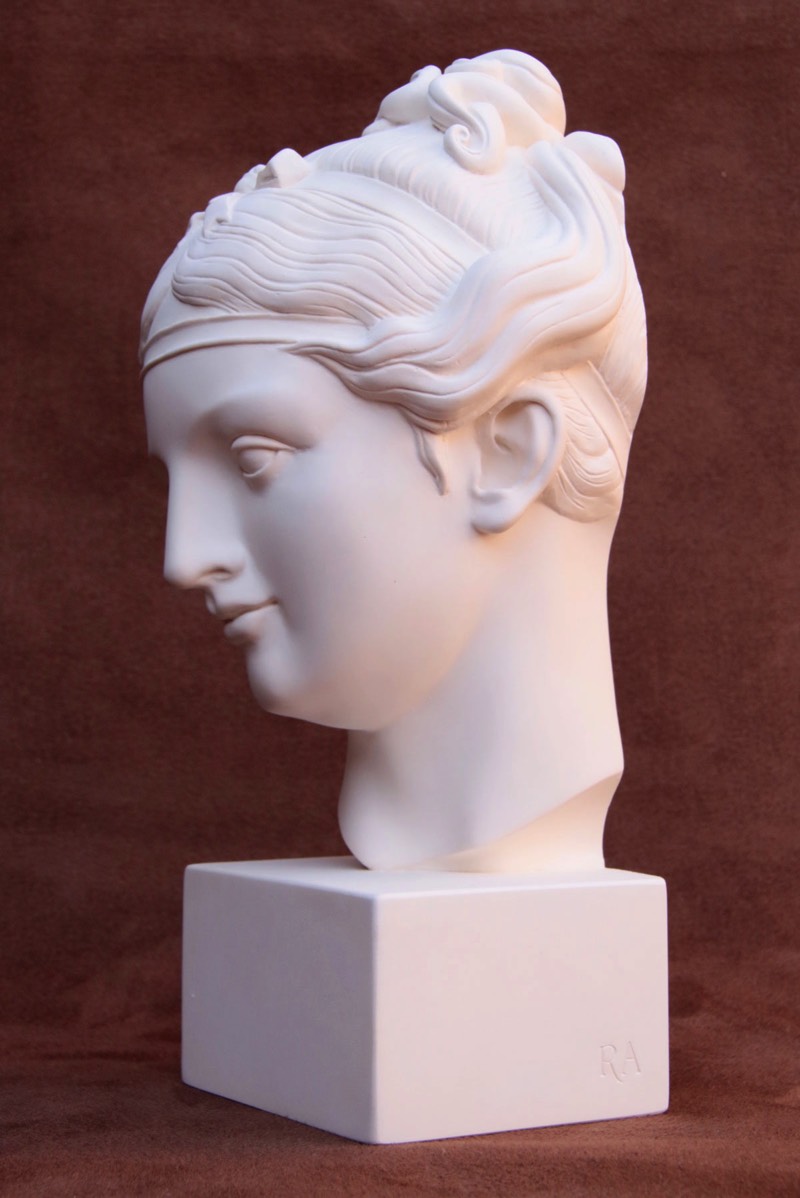
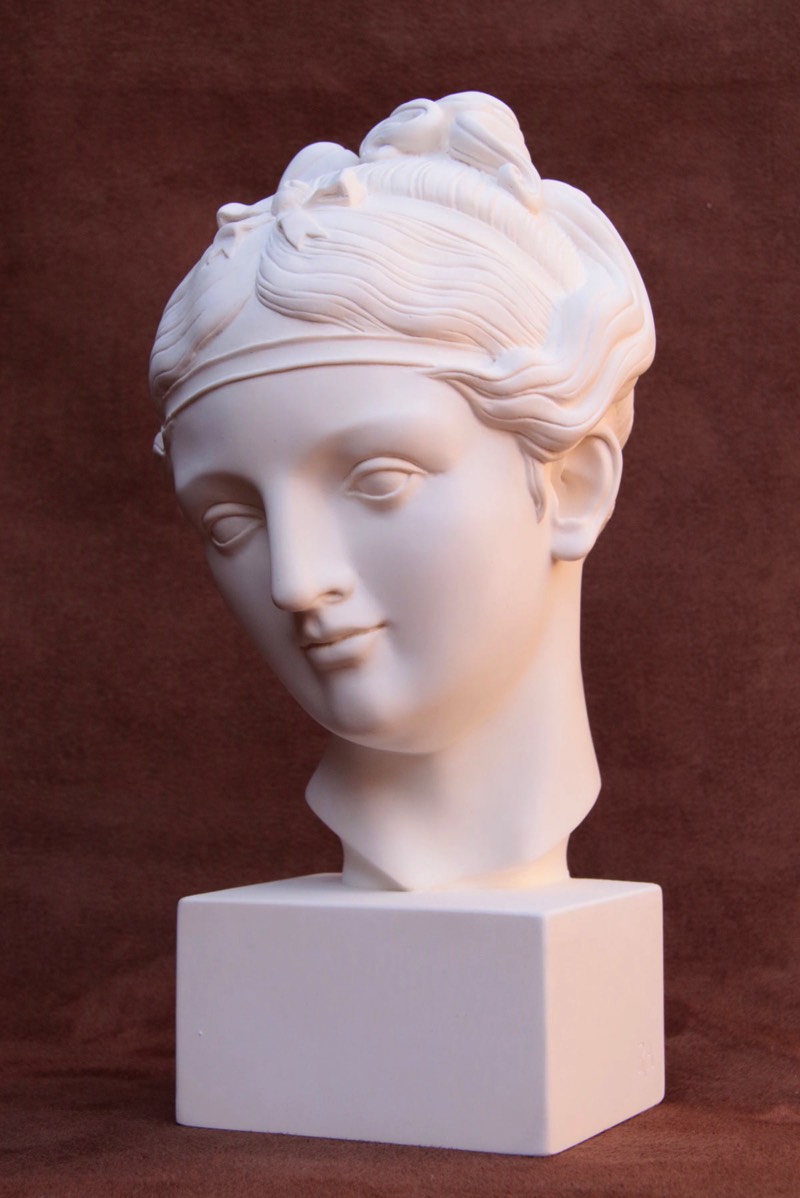
This piece is a reproduction of the head from Rudolph Schadow’s 'The Spinner'.
Schadow’s sculpture depicts a young girl spinning, which proved to be extremely popular among those visiting Rome in the early 1800's.
Height: 230mm
Width: 115mm
Depth: 90mm
Weight 2 kg
This piece is a reproduction of the head from Rudolph Schadow’s 'The Spinner'.
Schadow’s sculpture depicts a young girl spinning, which proved to be extremely popular among those visiting Rome in the early 1800's.
Height: 230mm
Width: 115mm
Depth: 90mm
Weight 2 kg
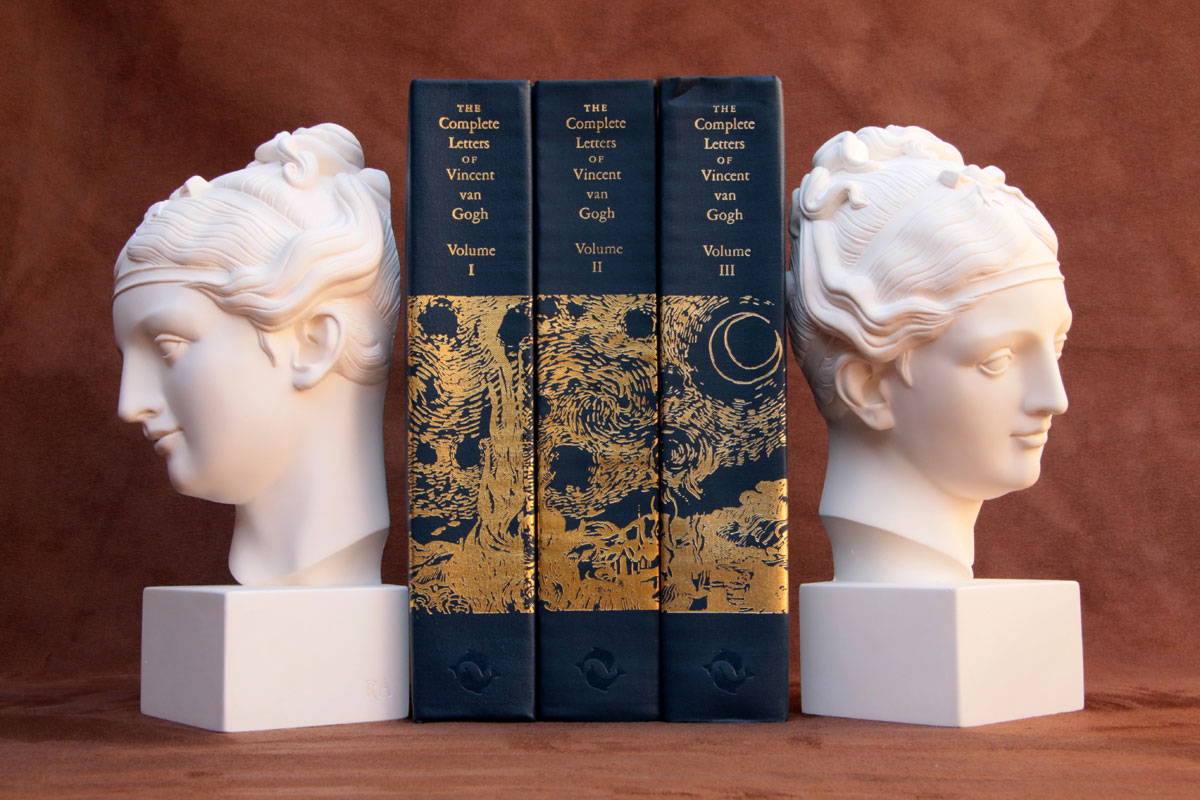
Click on the image to enlarge.
Head of Classical Lady (Set of 2)
Rudolph Schadow (1786 – 1822) was a German born sculptor, who travelled to Italy at the tender age of 10 to begin his artistic education.
Rudolph Schadow (1786 – 1822) was a German born sculptor, who travelled to Italy at the tender age of 10 to begin his artistic education.
More Info
Schadow's style was greatly influenced by the work of Antonio Canova and Bertel Thorvaldsen.
This piece is a reproduction of the head from Rudolph Schadow’s 'The Spinner'.
Schadow’s sculpture depicts a young girl spinning, which proved to be extremely popular among those visiting Rome in the early 1800's.
Height: 230mm
Width: 115mm
Depth: 90mm
This piece is a reproduction of the head from Rudolph Schadow’s 'The Spinner'.
Schadow’s sculpture depicts a young girl spinning, which proved to be extremely popular among those visiting Rome in the early 1800's.
Height: 230mm
Width: 115mm
Depth: 90mm
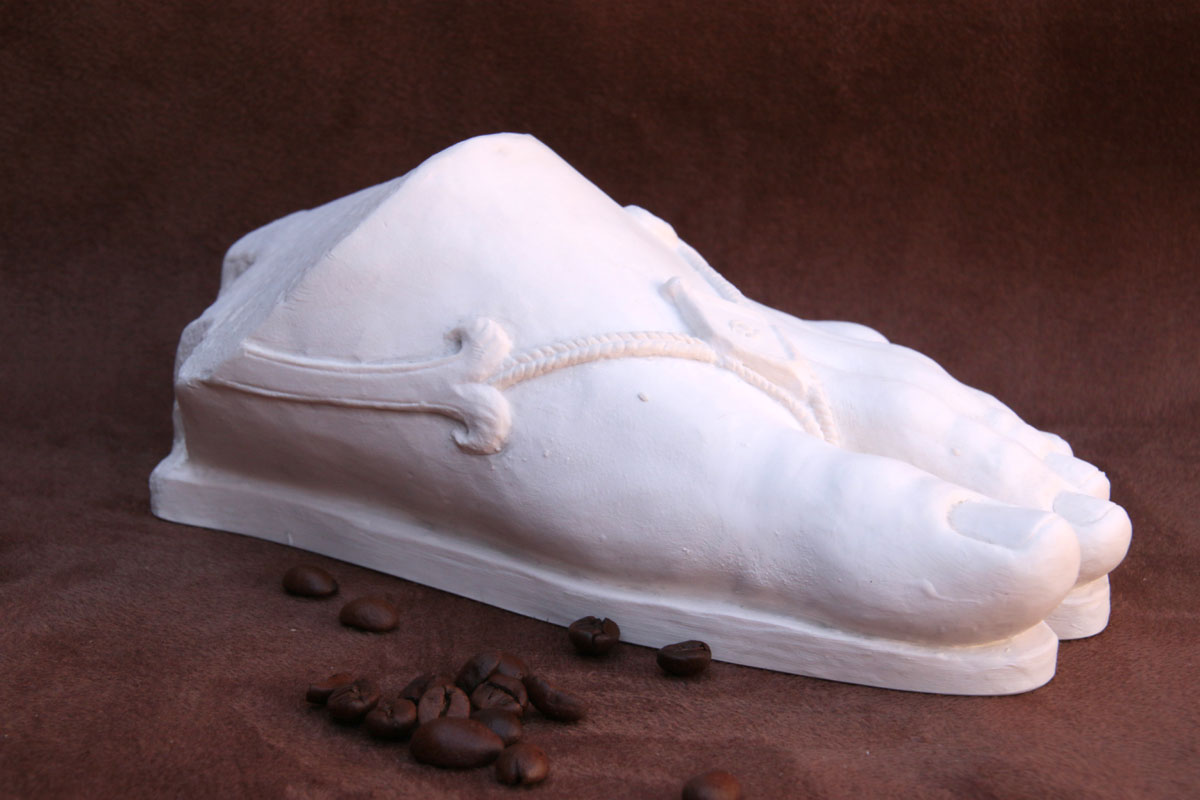
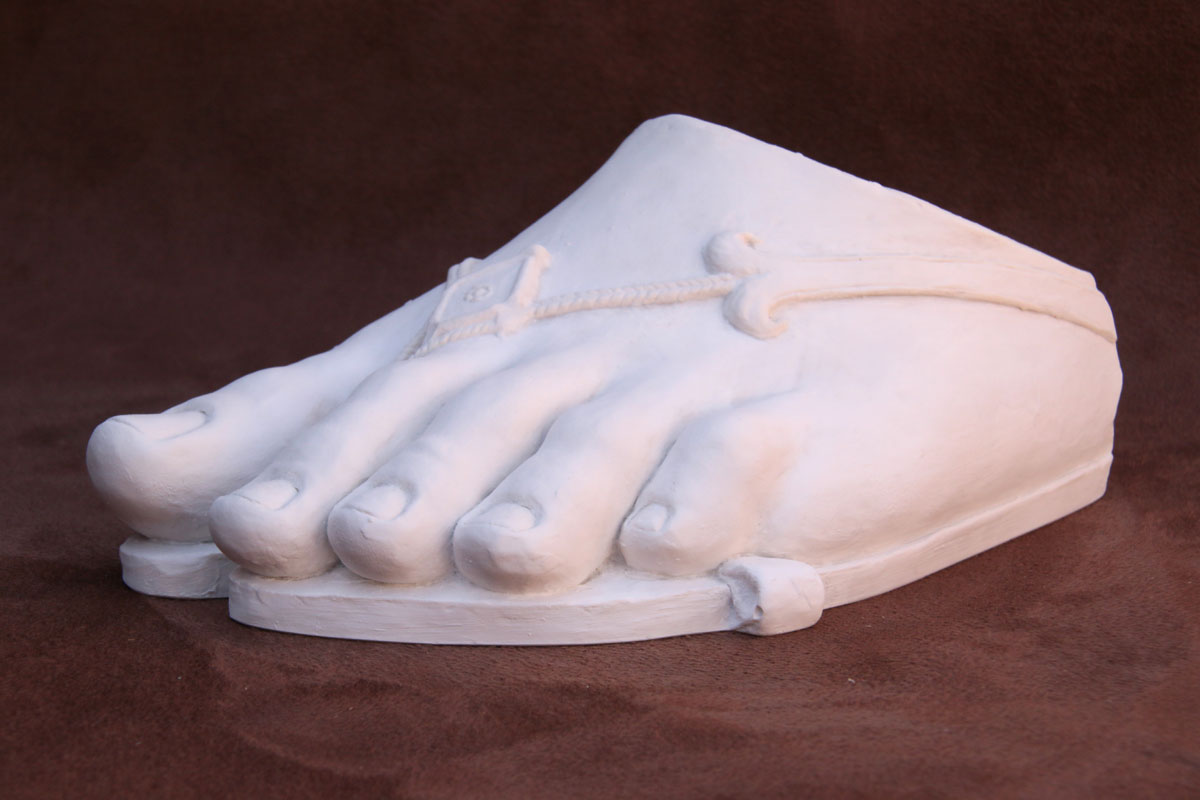
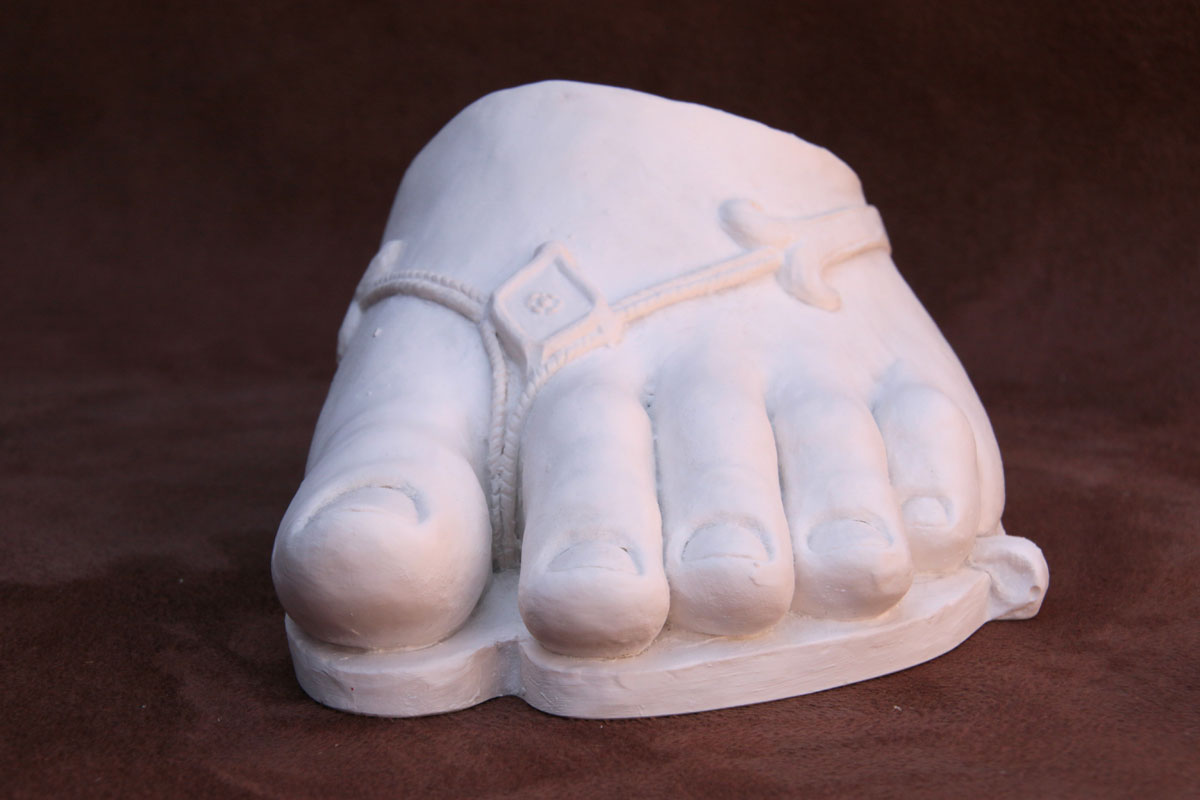
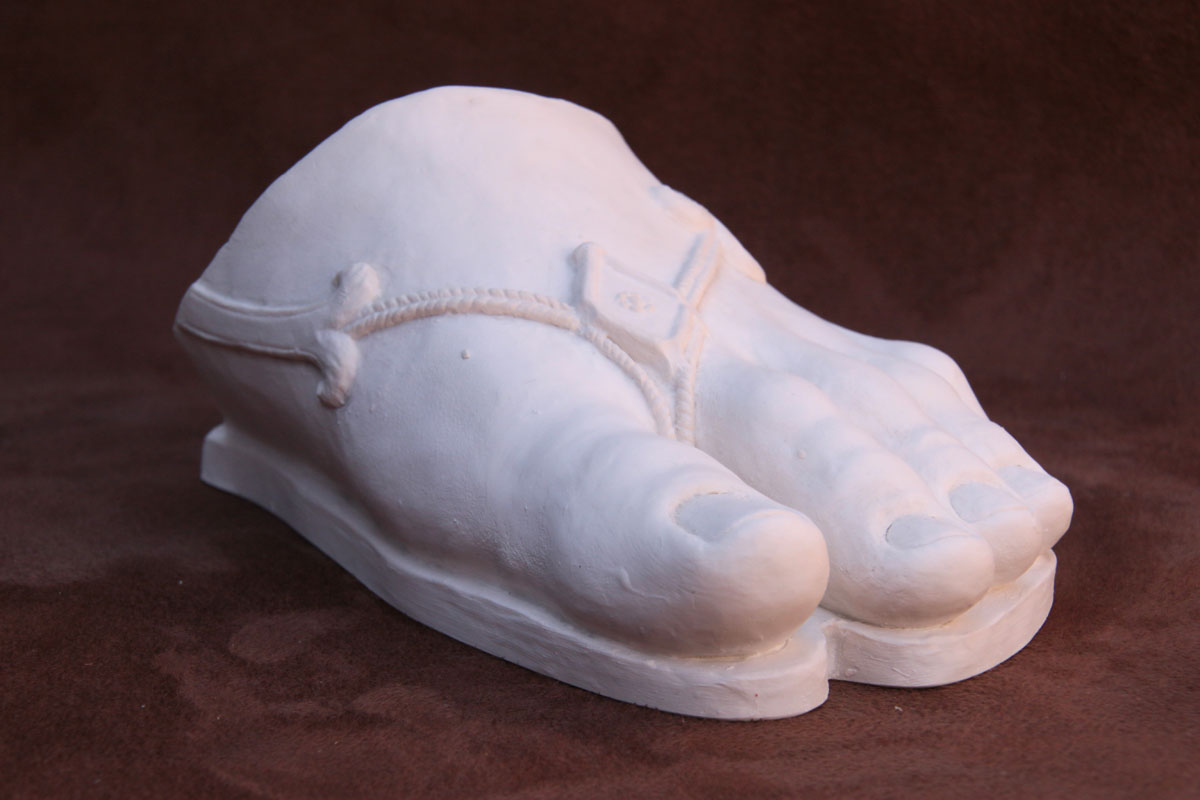
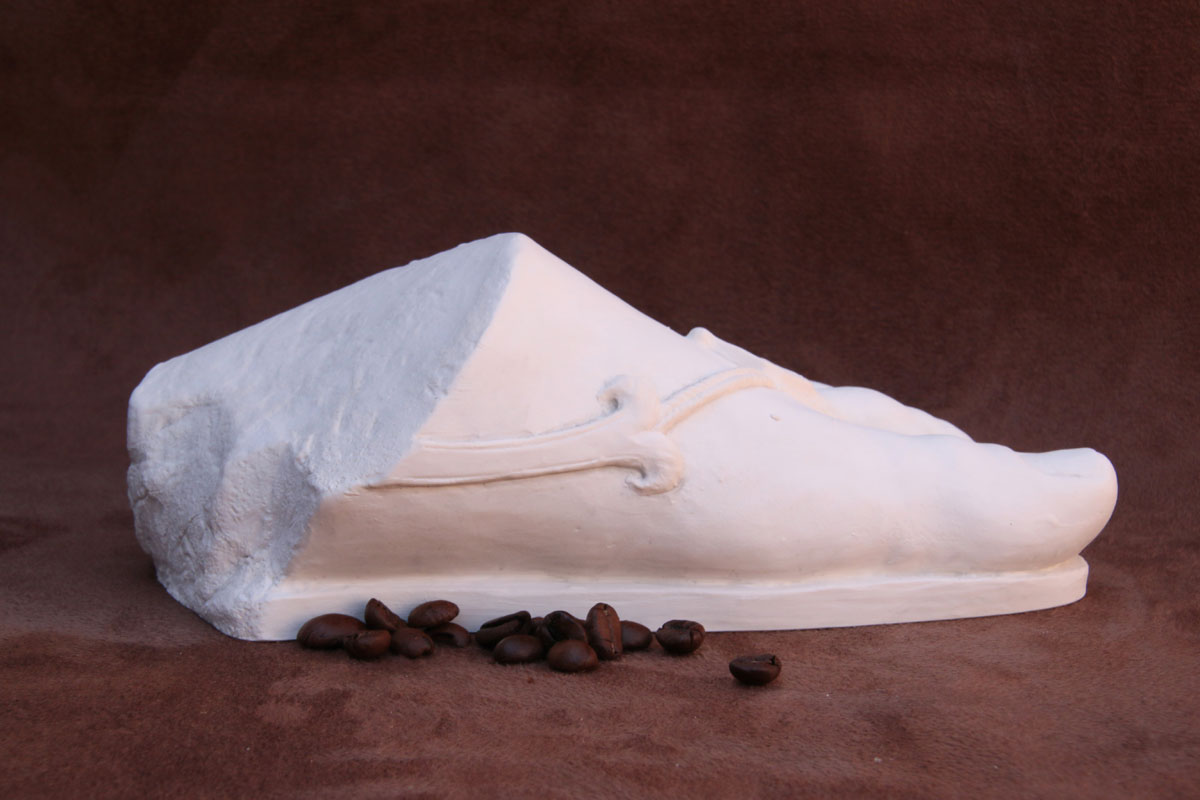
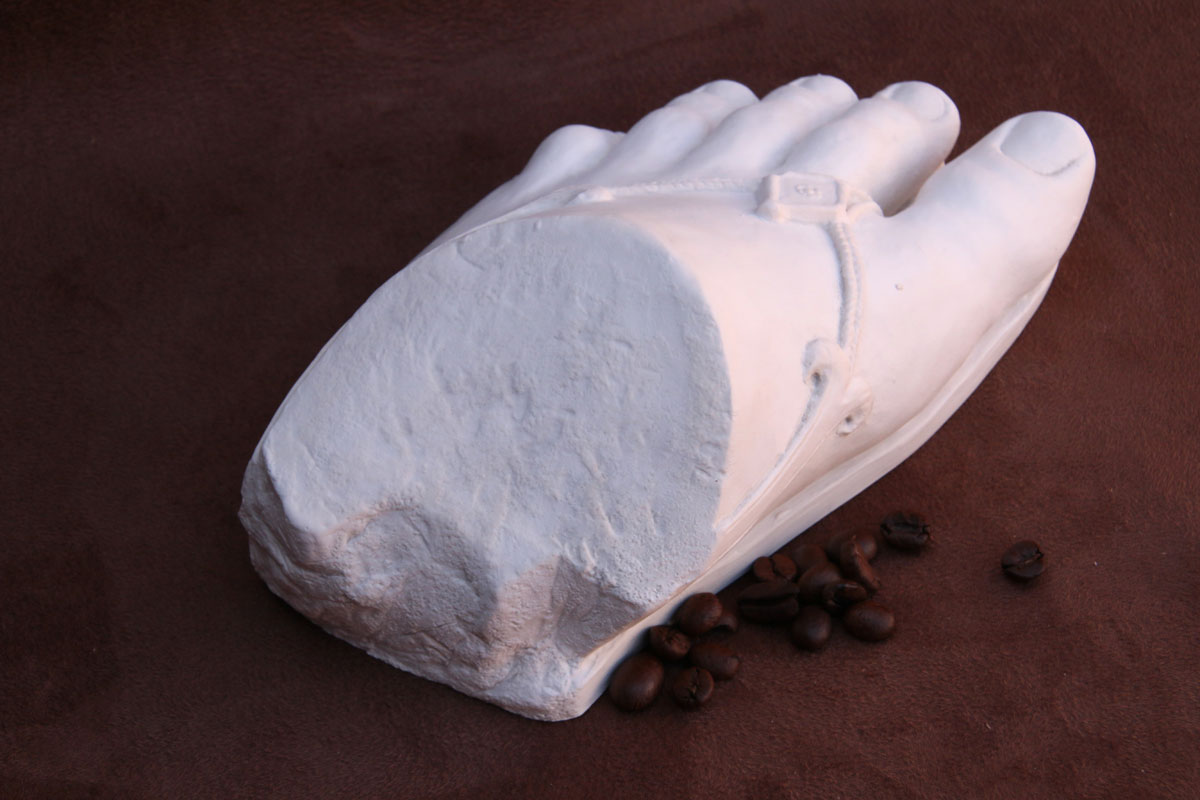
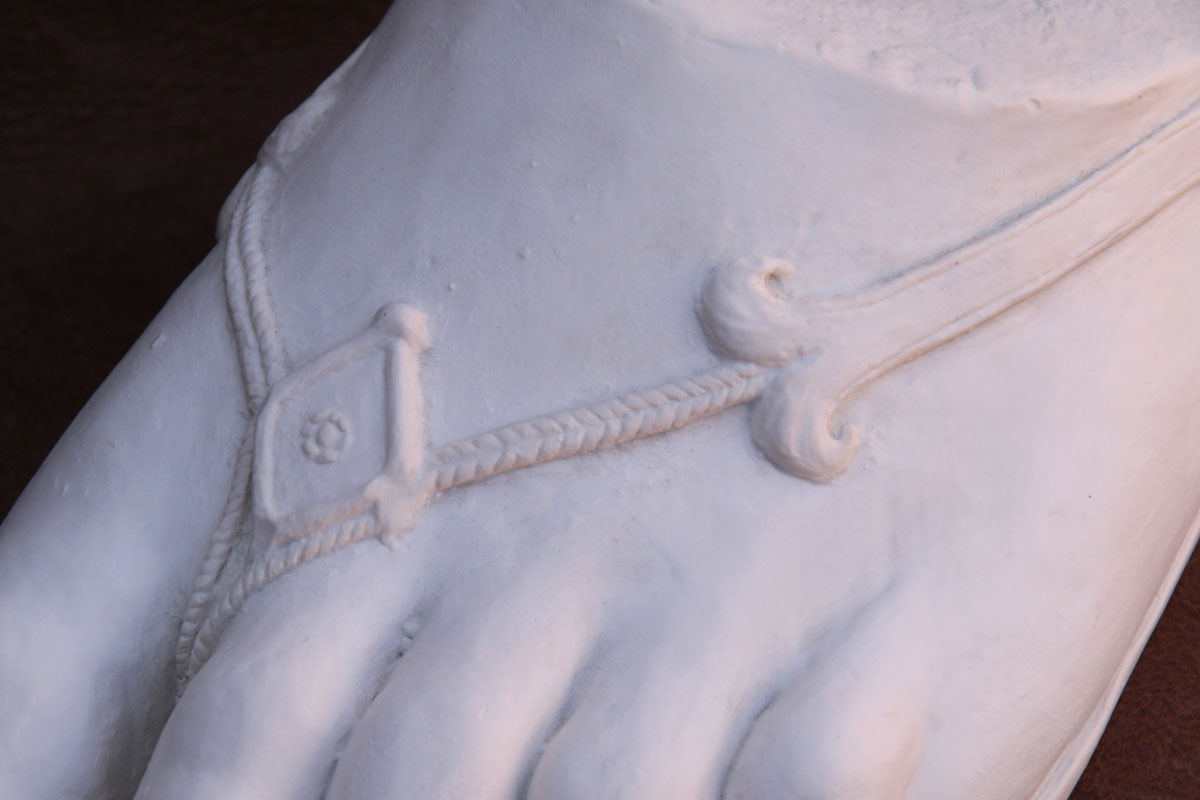
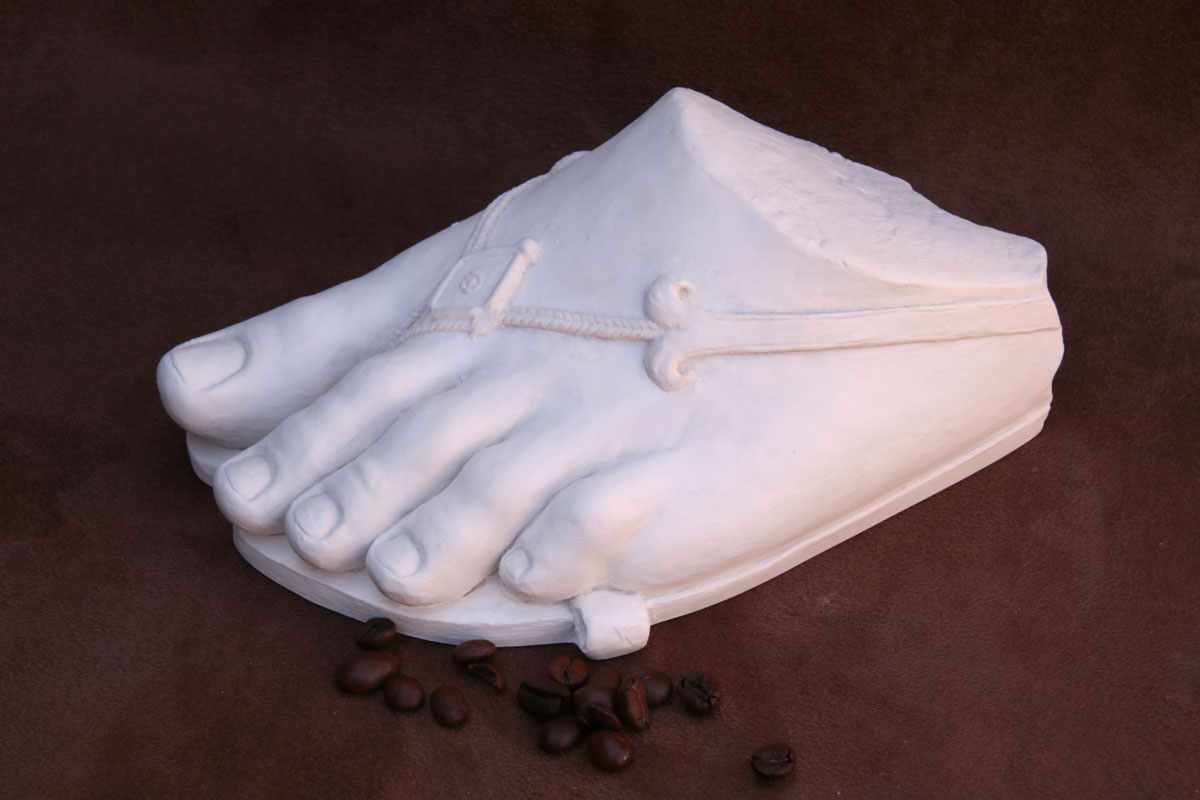
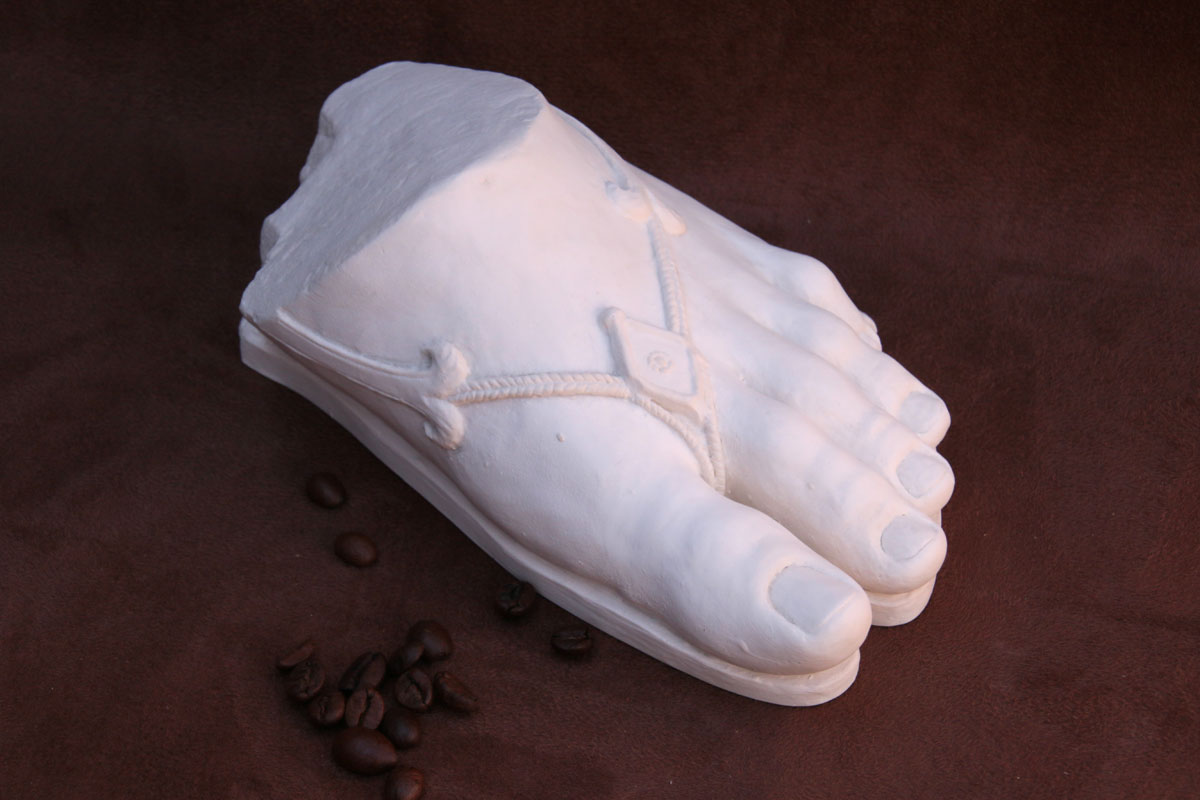
Classical Foot Paperweight
During the 19th Century, beautiful statues and architecture in Greece and Rome were destroyed.
During the 19th Century, beautiful statues and architecture in Greece and Rome were destroyed.
More Info
Parts of them were sold to wealthy travellers on the “Grand Tour”.
The original foot was part of a statue of a Greek Goddess that would have reached approximately 35ft, dating back to BC 150 - BC 50 and can be seen at Chatsworth House, England. There is a right foot that is thought to match the left at Staaliche Museum in Berlin.
Height: 70mm
Width: 100mm
Depth: 175mm
The original foot was part of a statue of a Greek Goddess that would have reached approximately 35ft, dating back to BC 150 - BC 50 and can be seen at Chatsworth House, England. There is a right foot that is thought to match the left at Staaliche Museum in Berlin.
Height: 70mm
Width: 100mm
Depth: 175mm
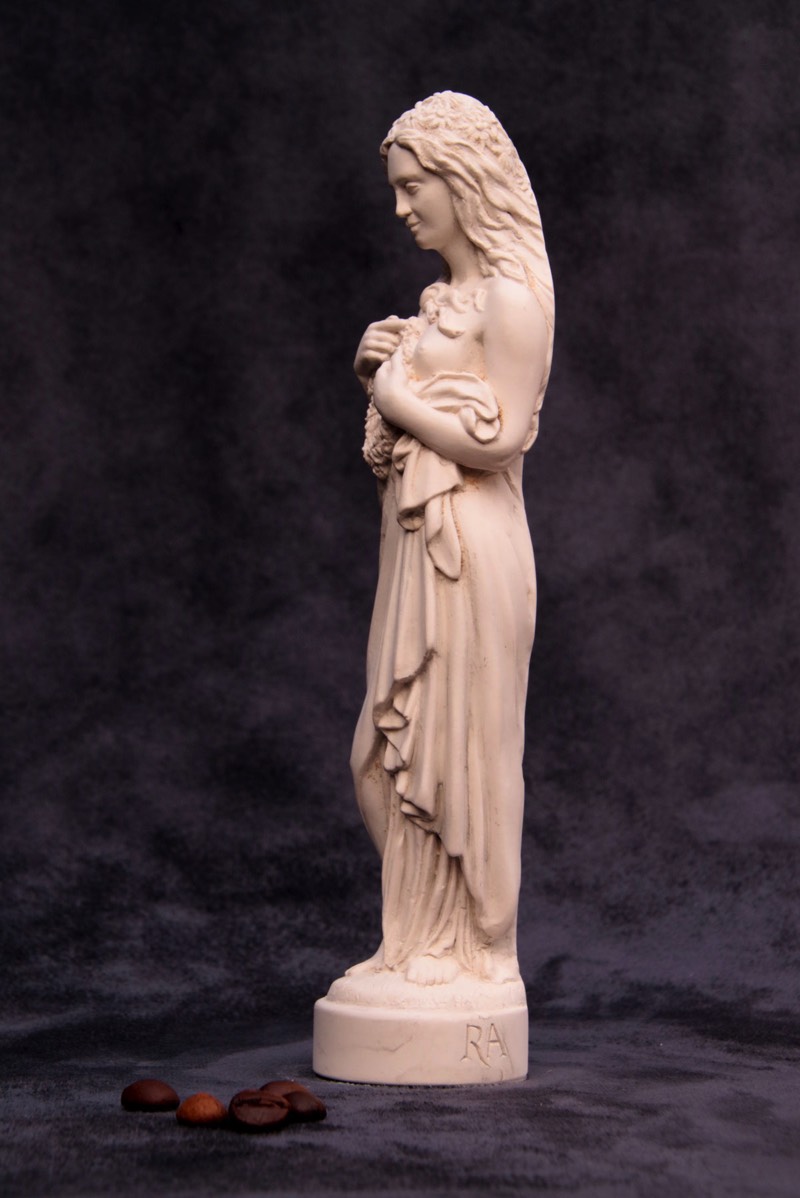
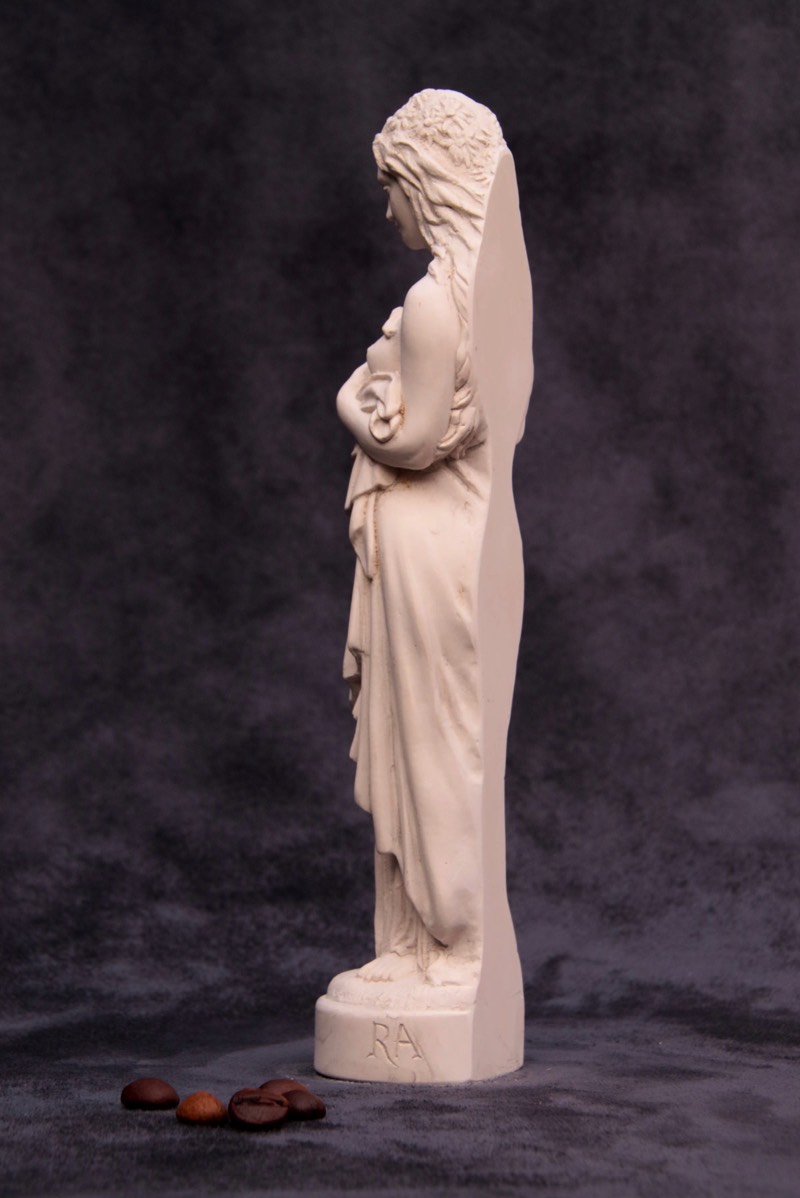
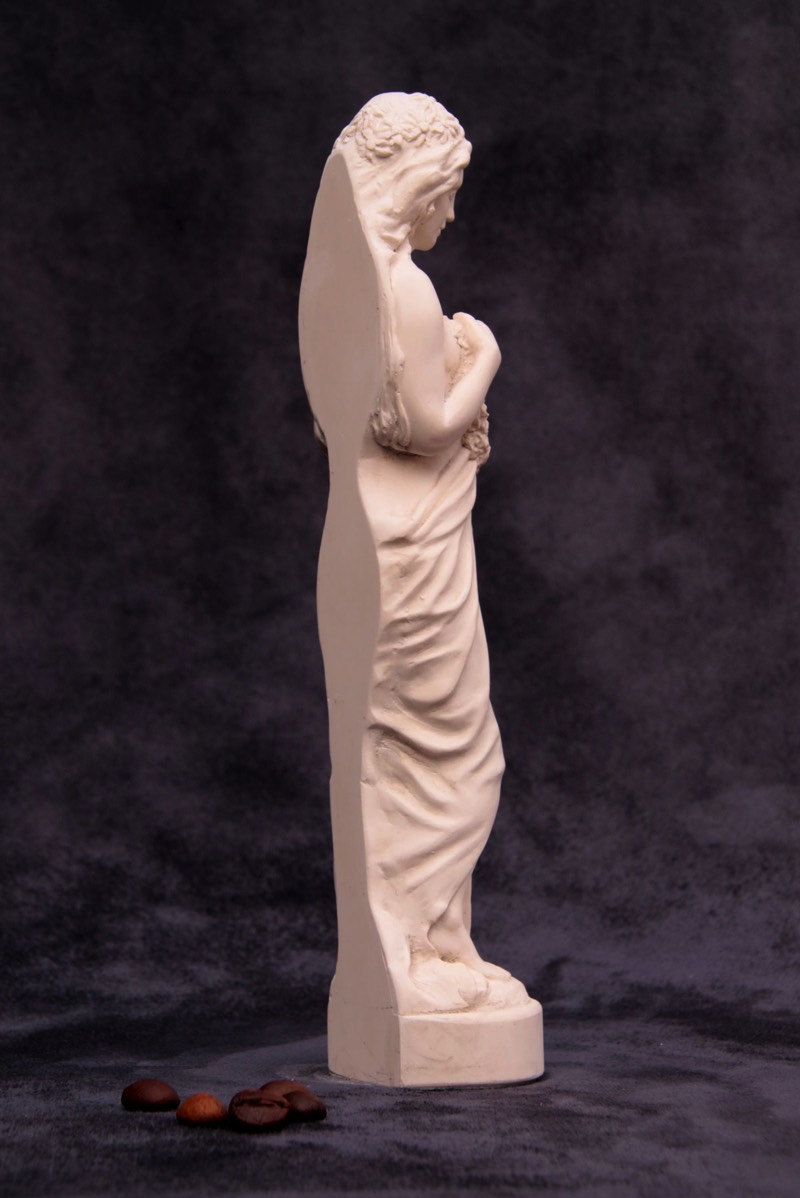
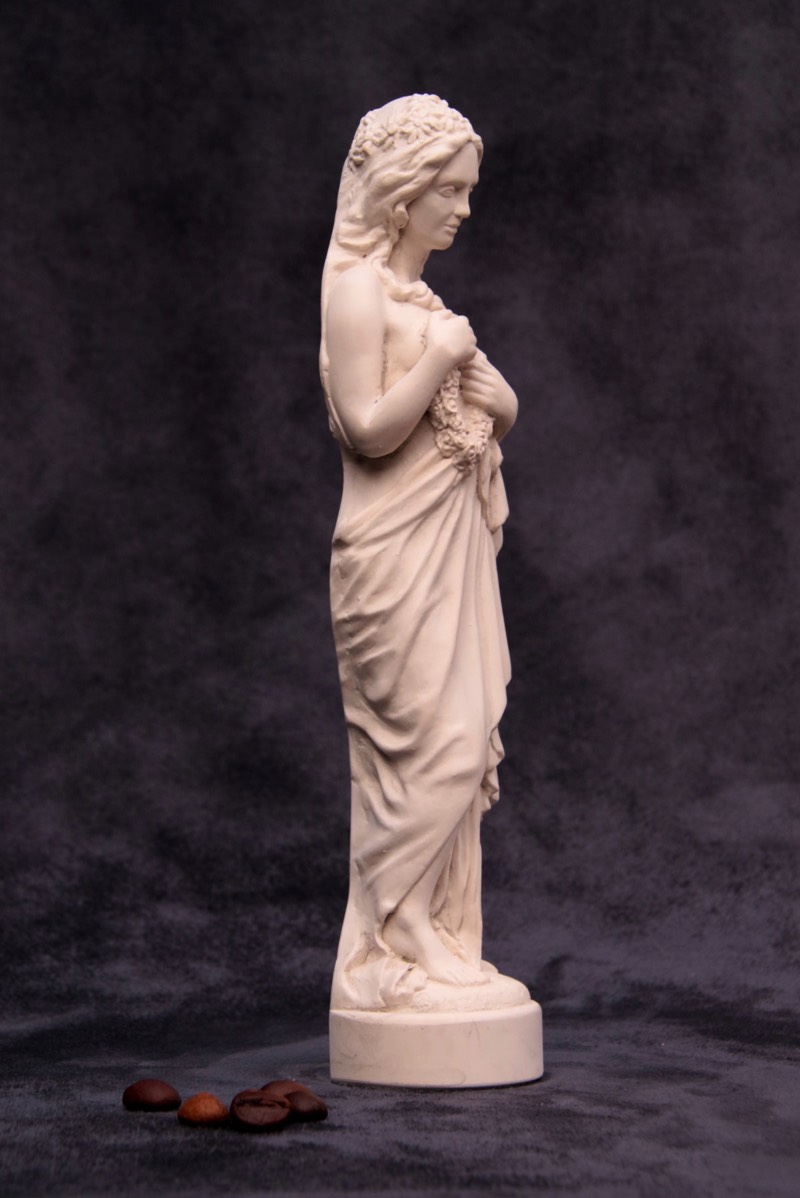
Autumn Figure
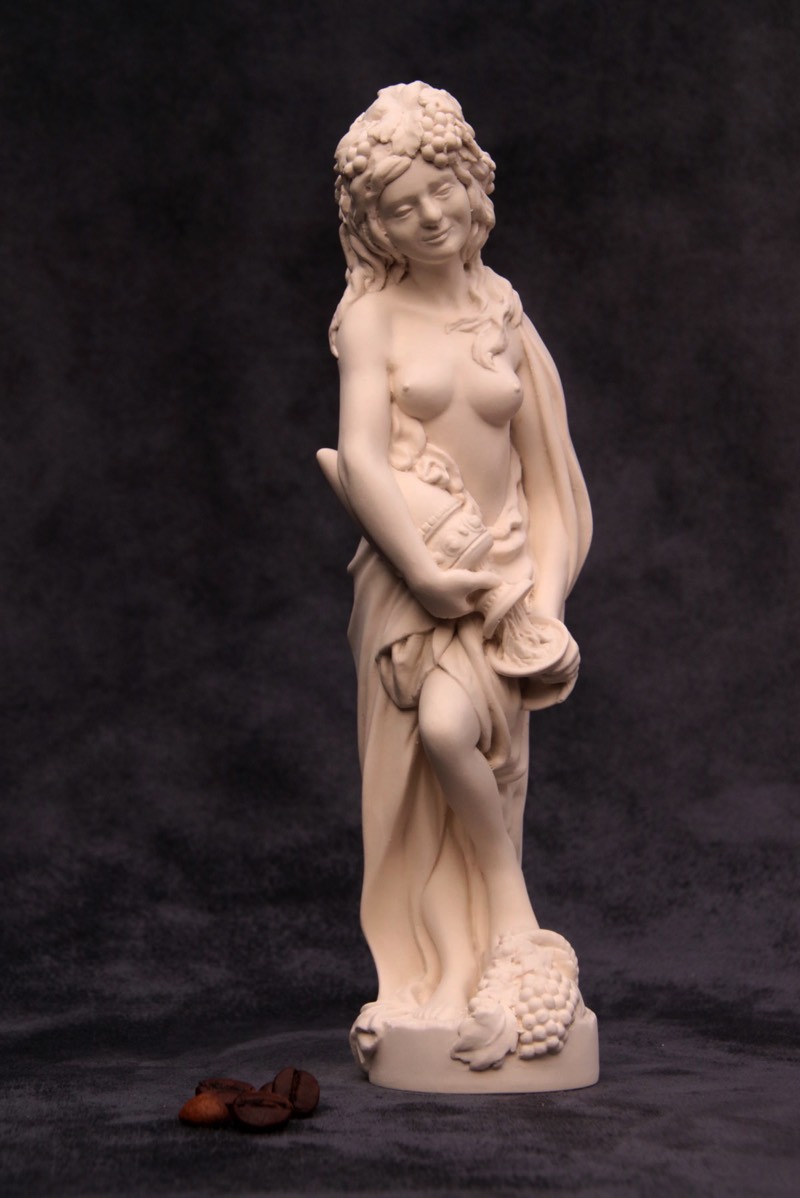
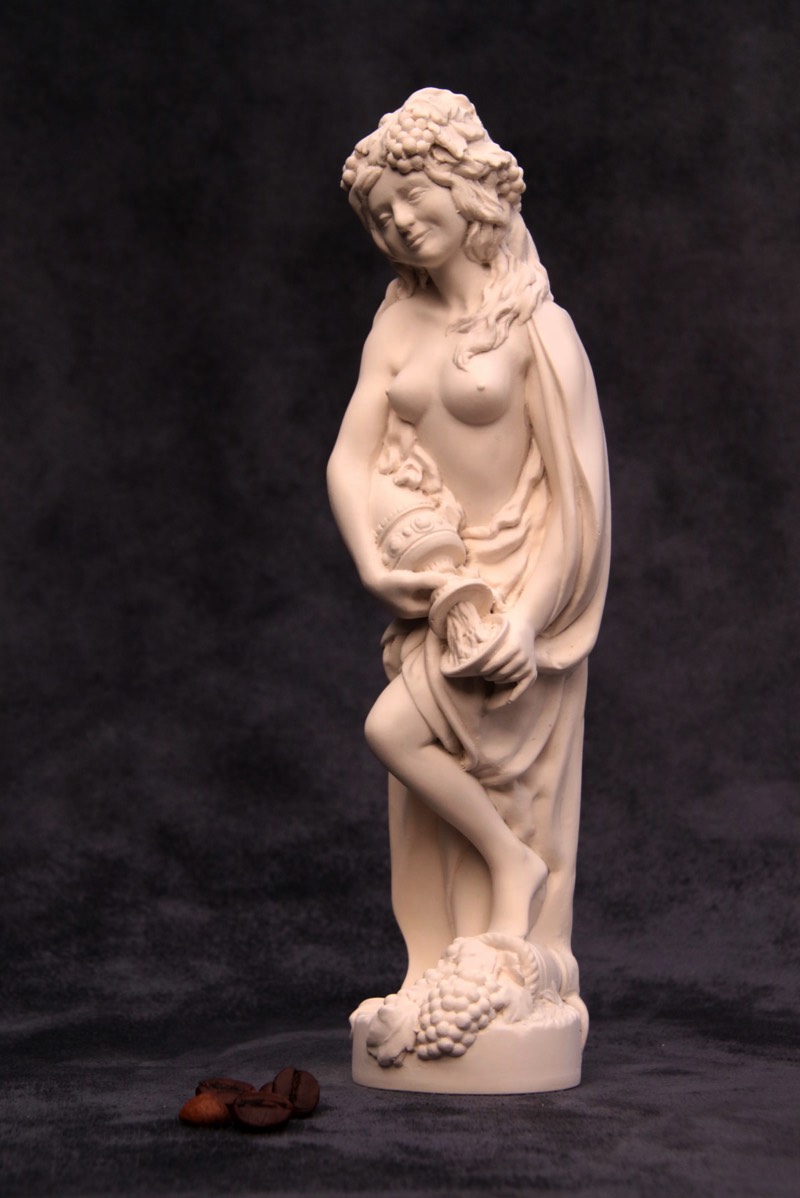
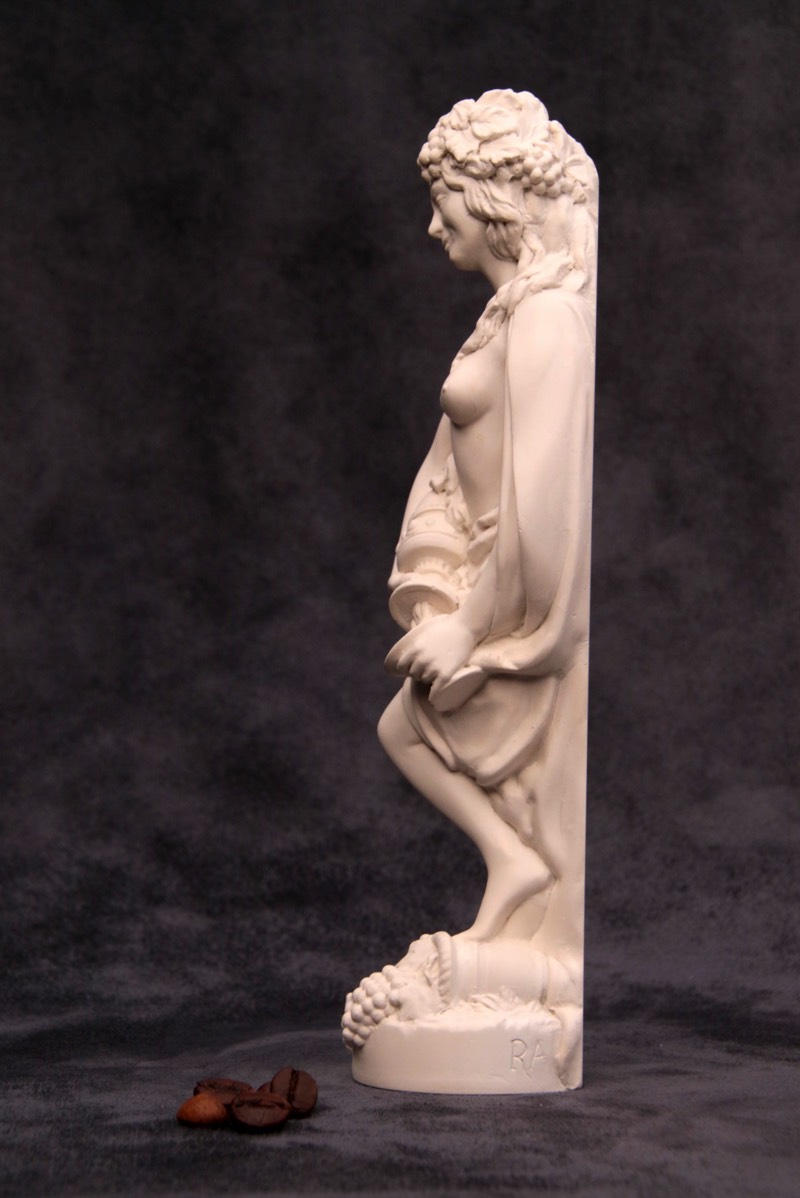
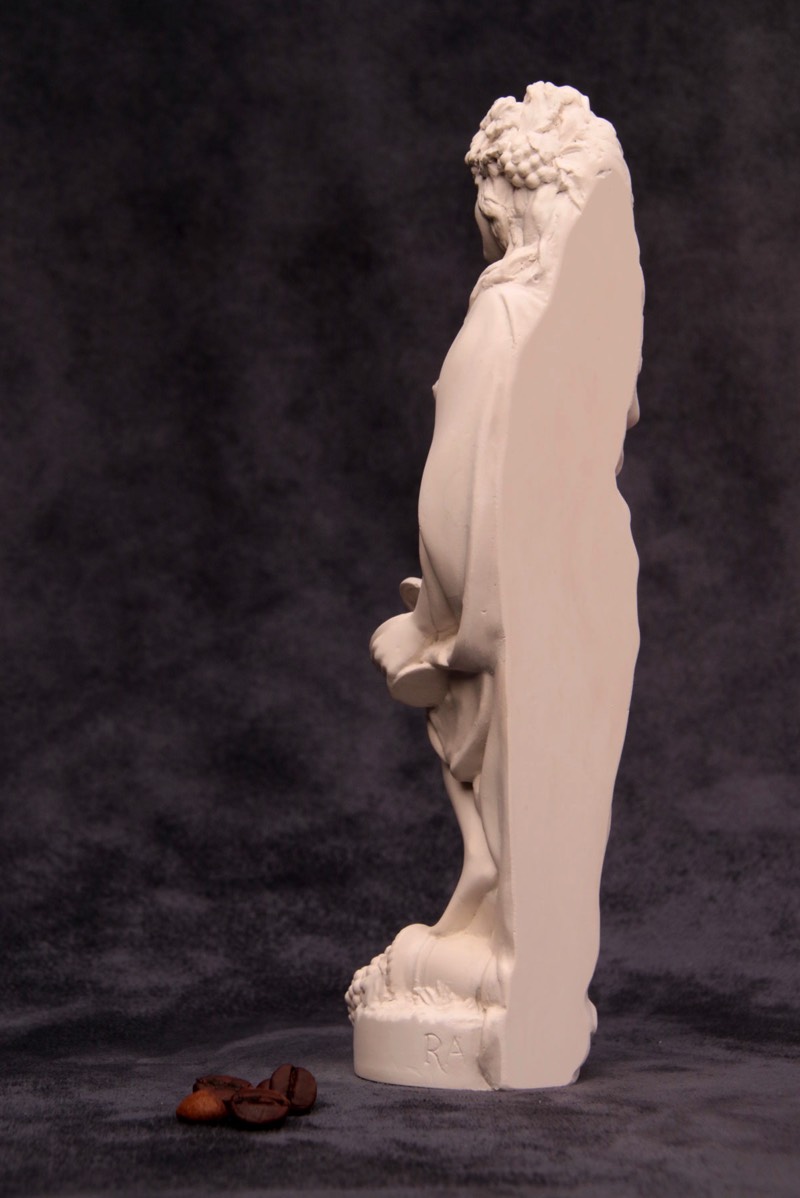
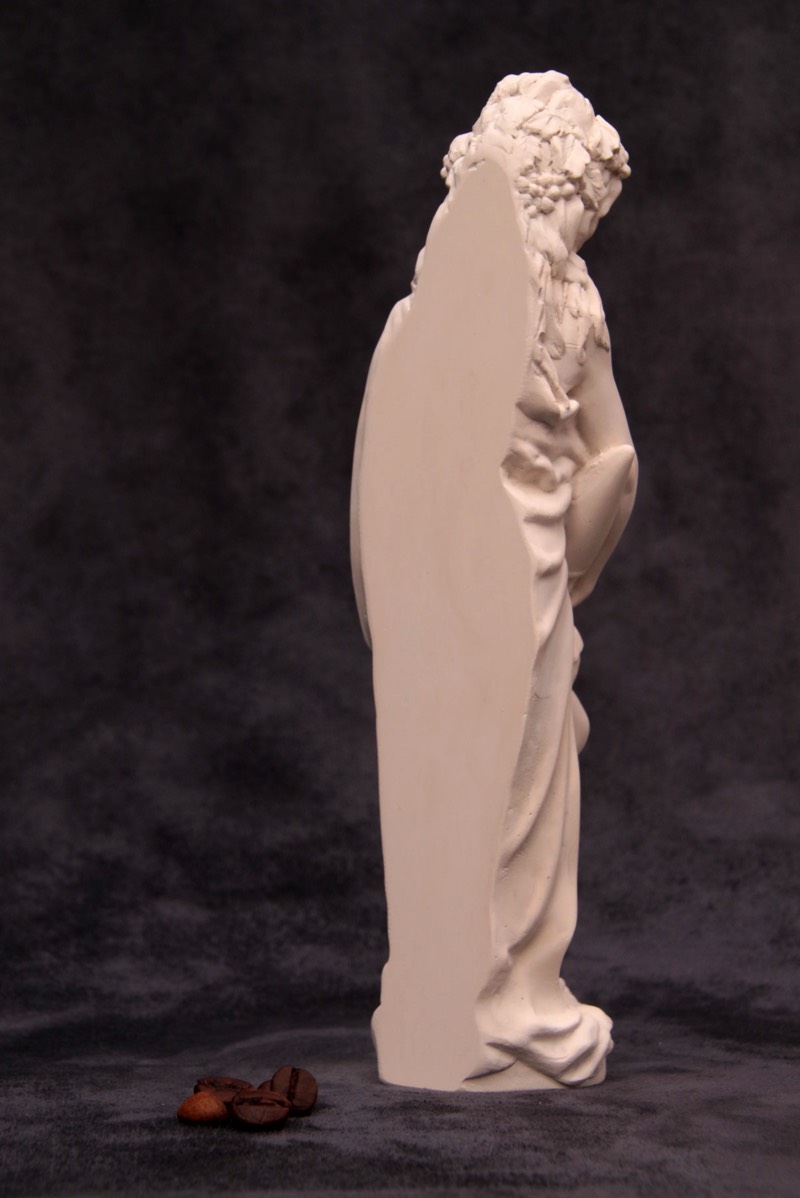
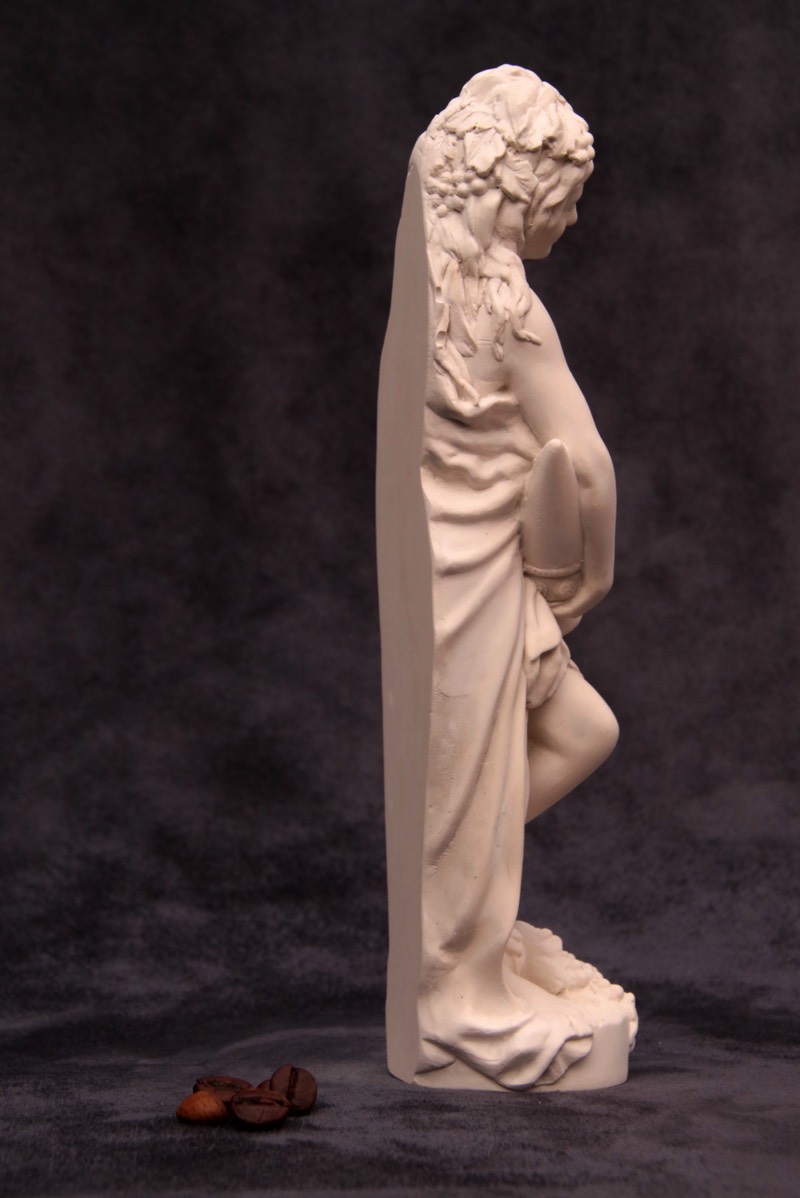
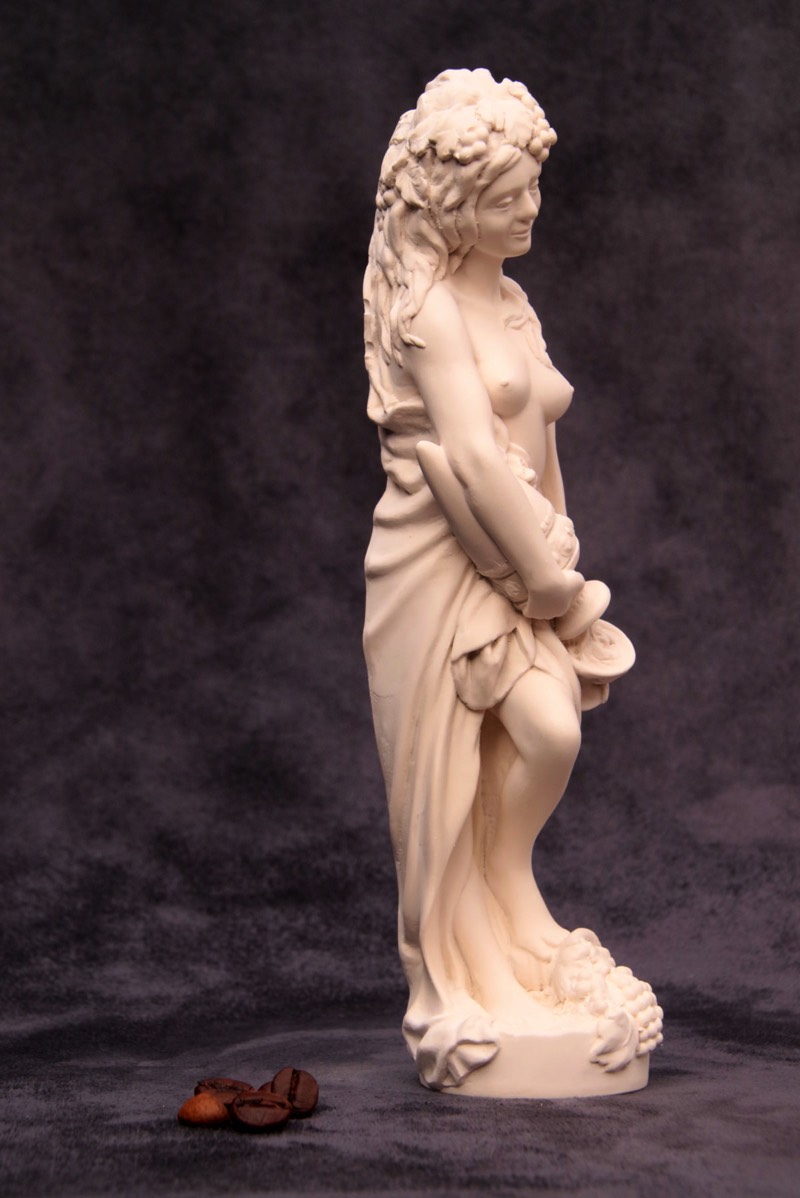
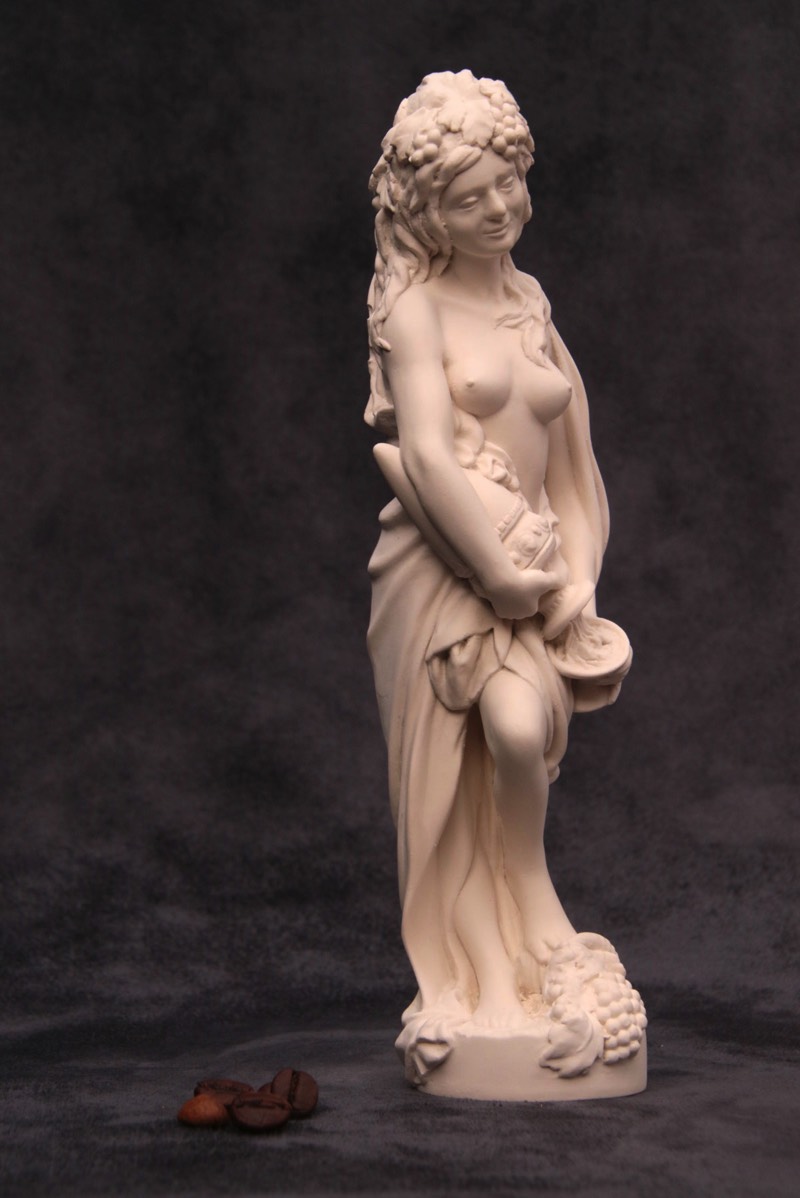
The origins of this figure are unknown, but it is clear this one was sculpted to represent Autumn.
More Info
Traditionally Autumn is depicted as a woman bearing baskets of grapes, symbolising hospitality and abundance. In classical antiquity, the cornucopia (horn of plenty) is a symbol of Autumnal bounty.
Height: 195mm
Width: 55mm
Depth: 40mm
Height: 195mm
Width: 55mm
Depth: 40mm

Spring Figure
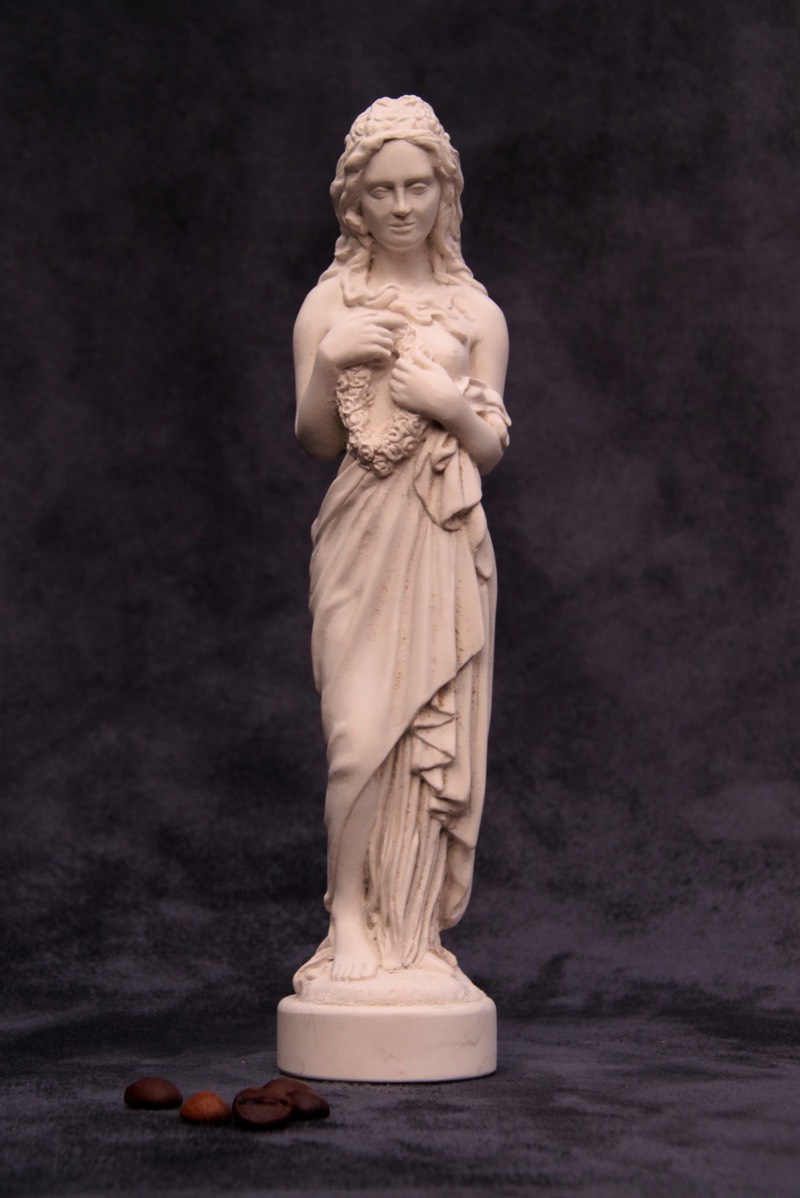
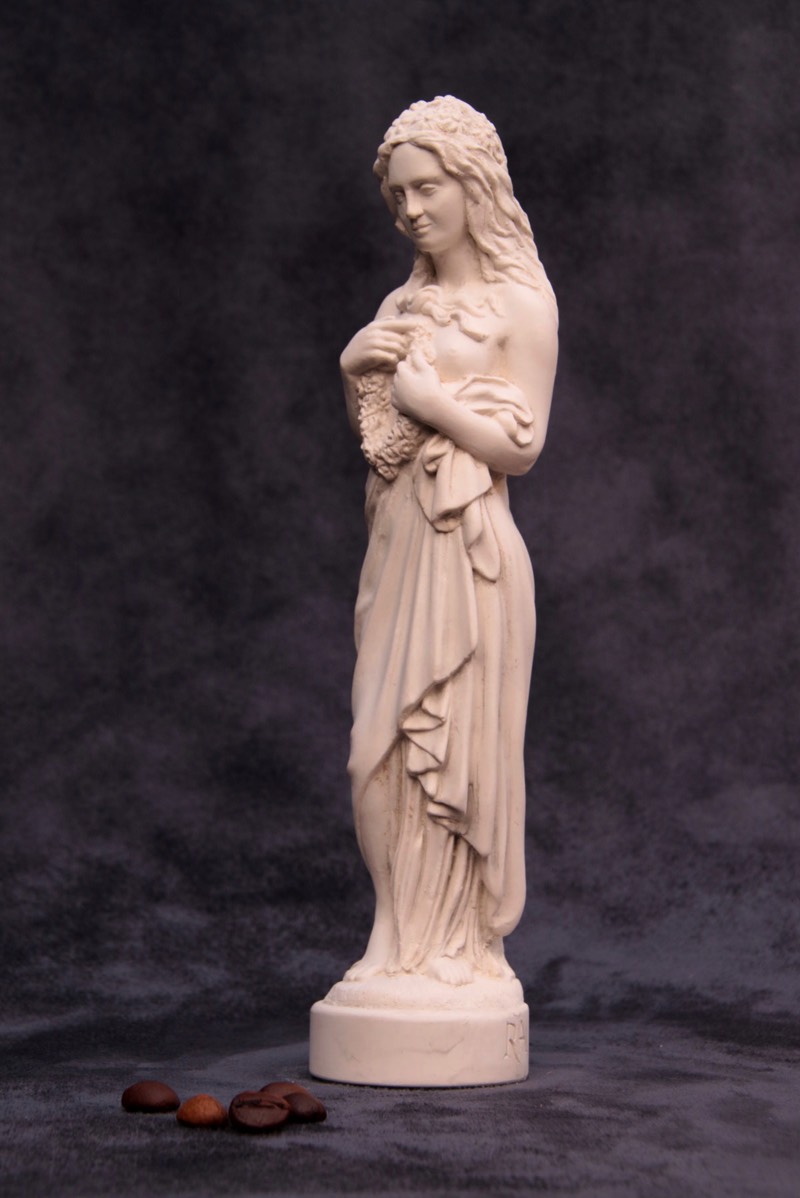
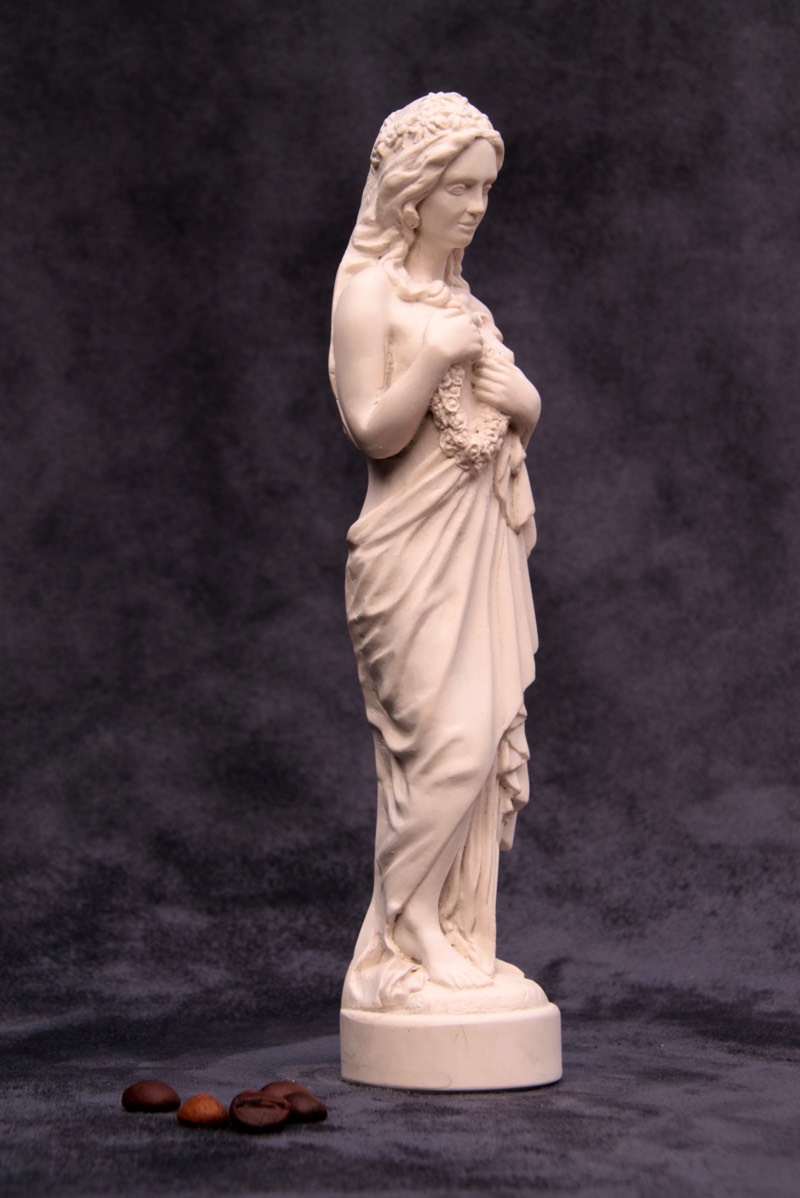
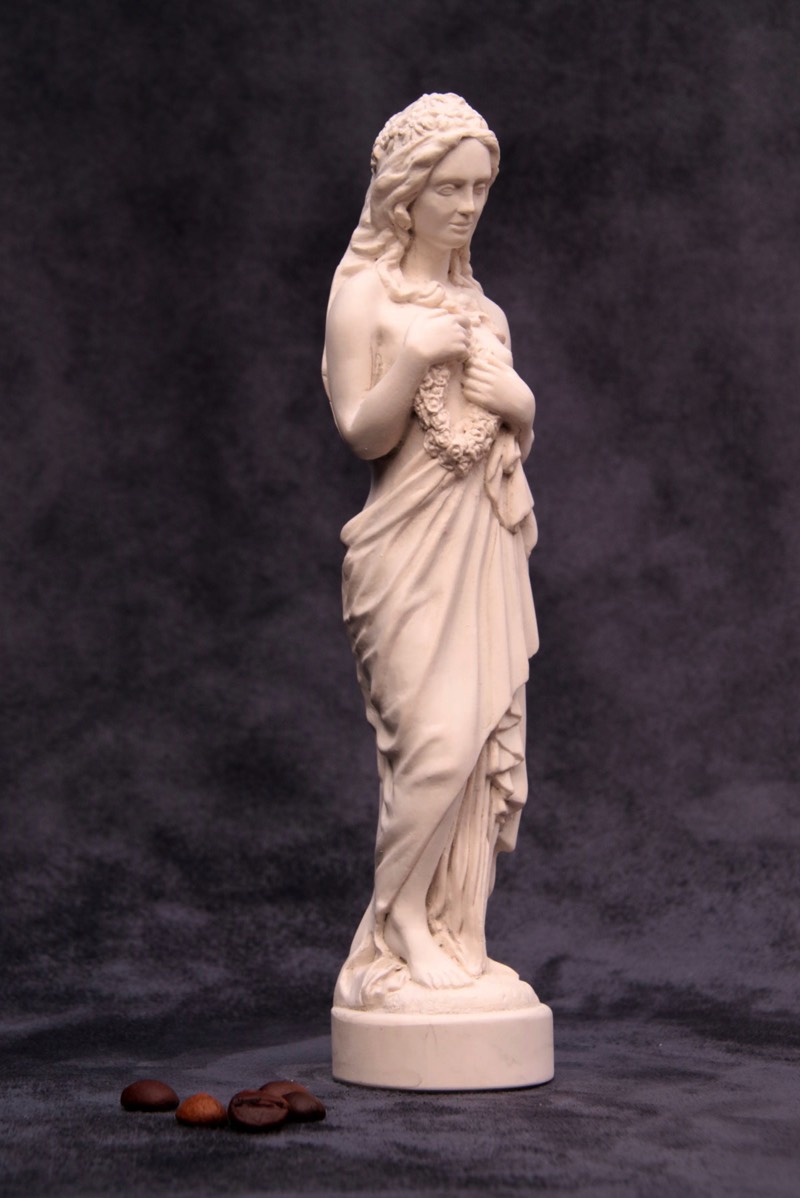
The provenance of this replica is unknown, but we believe it to represent Flora, the Goddess of Spring in Ancient Rome.
The provenance of this replica is unknown, but we believe it to represent Flora, the Goddess of Spring in Ancient Rome.
More Info
She was often depicted with flowering plants, especially those that bore fruit. Her festival, the Floralia, took place in April or early May and was marked with dancing, drinking, and flowers.
One of three classical Roman female figures reproduced from a number of classical Roman designs which can be seen in various museums and stately homes.
Height: 185mm
Width: 40mm
Depth: 40mm
One of three classical Roman female figures reproduced from a number of classical Roman designs which can be seen in various museums and stately homes.
Height: 185mm
Width: 40mm
Depth: 40mm
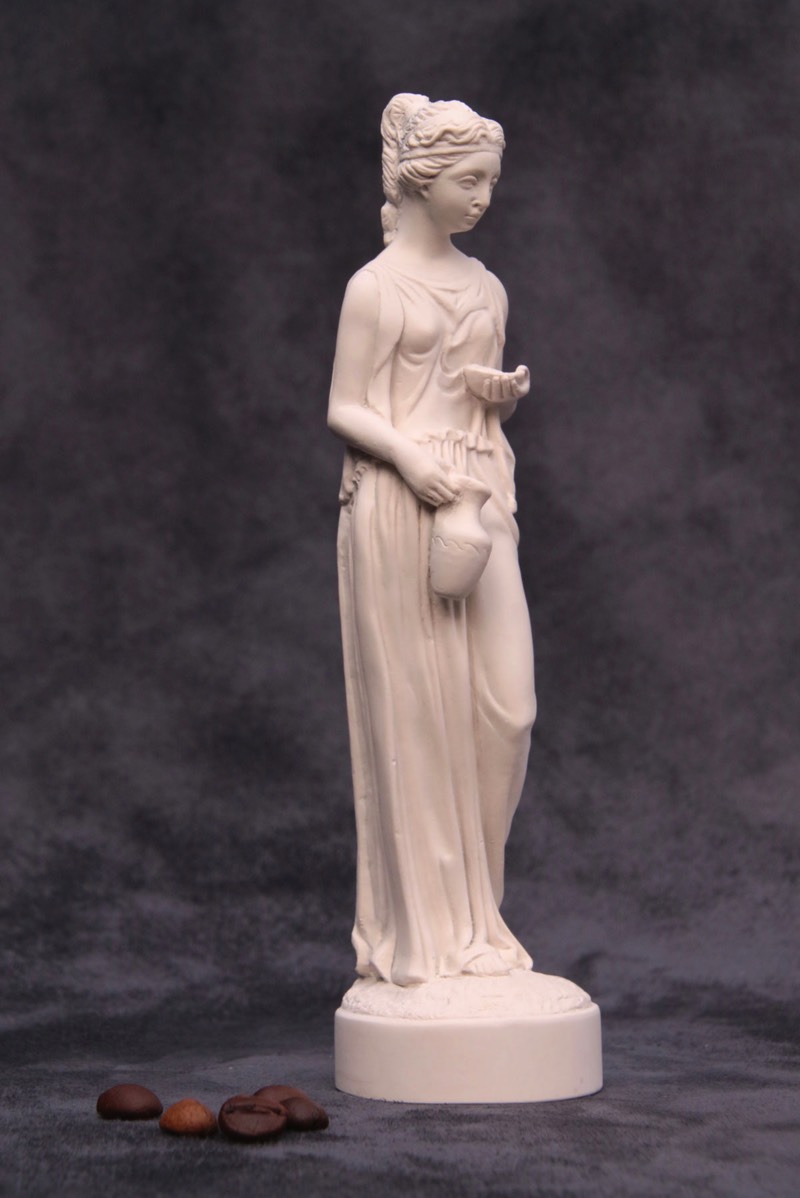
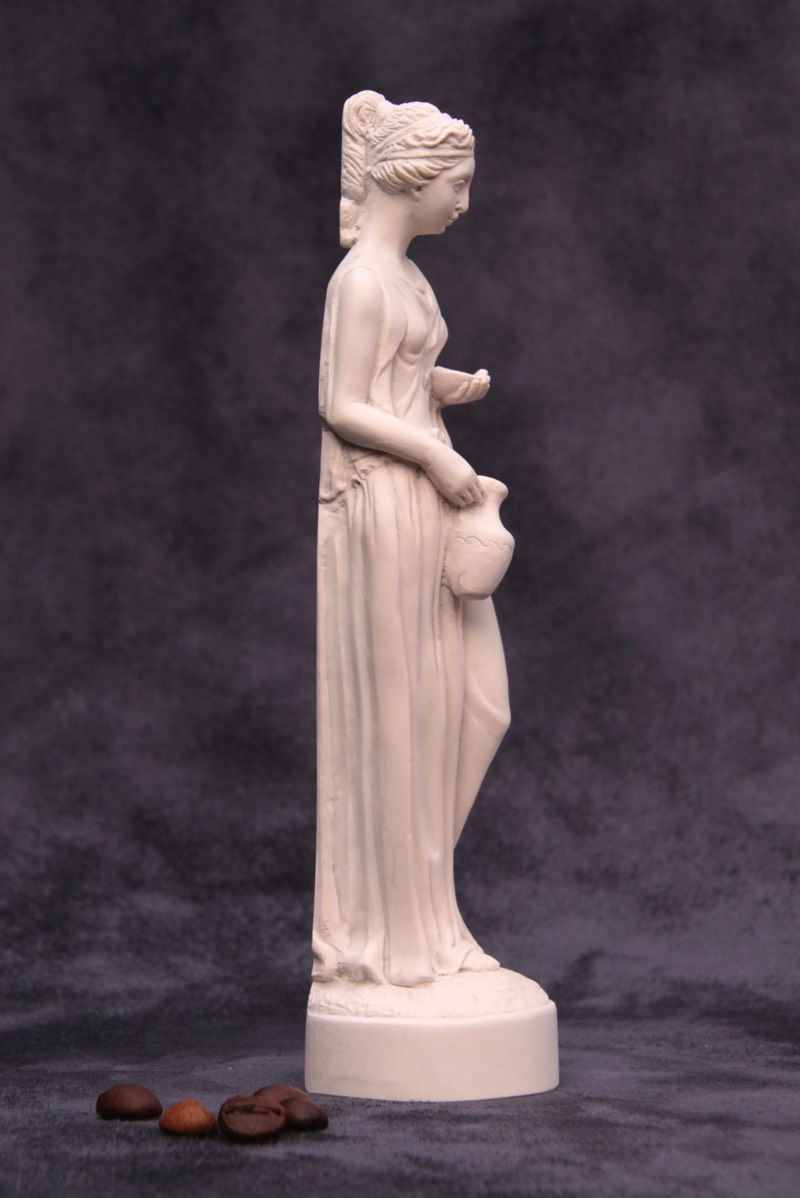
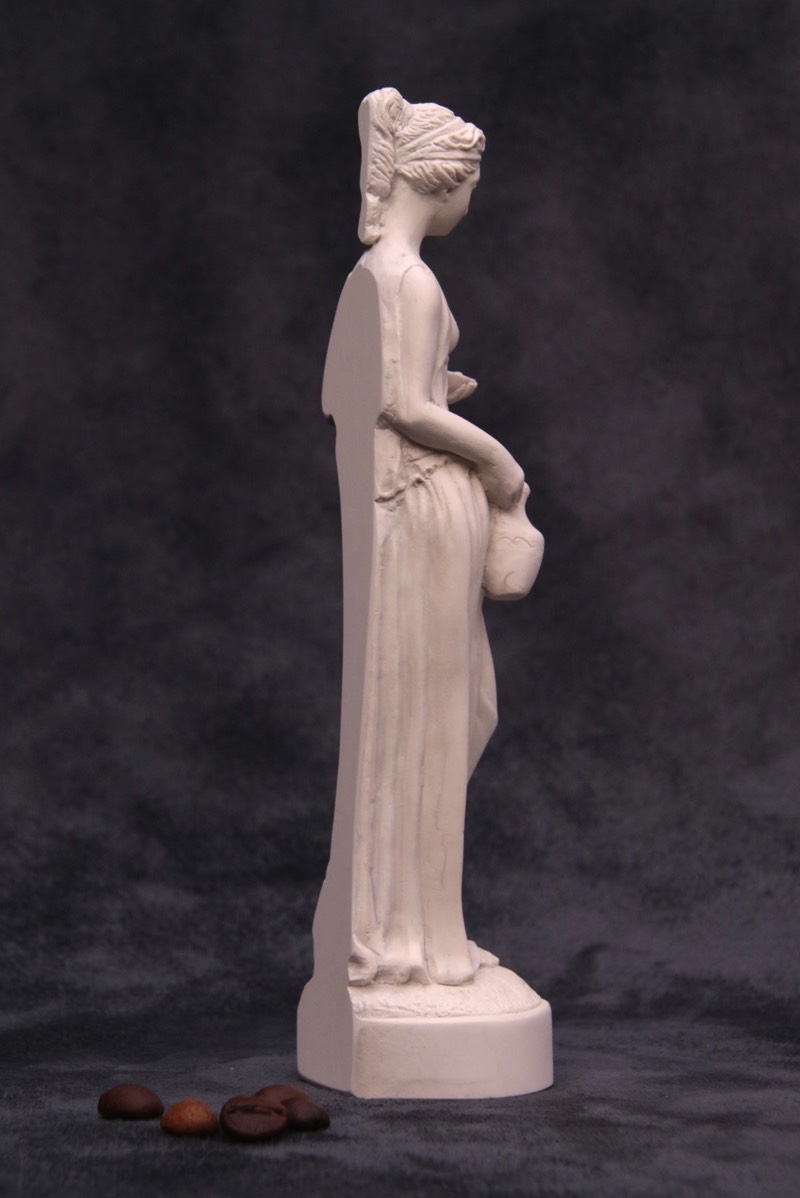
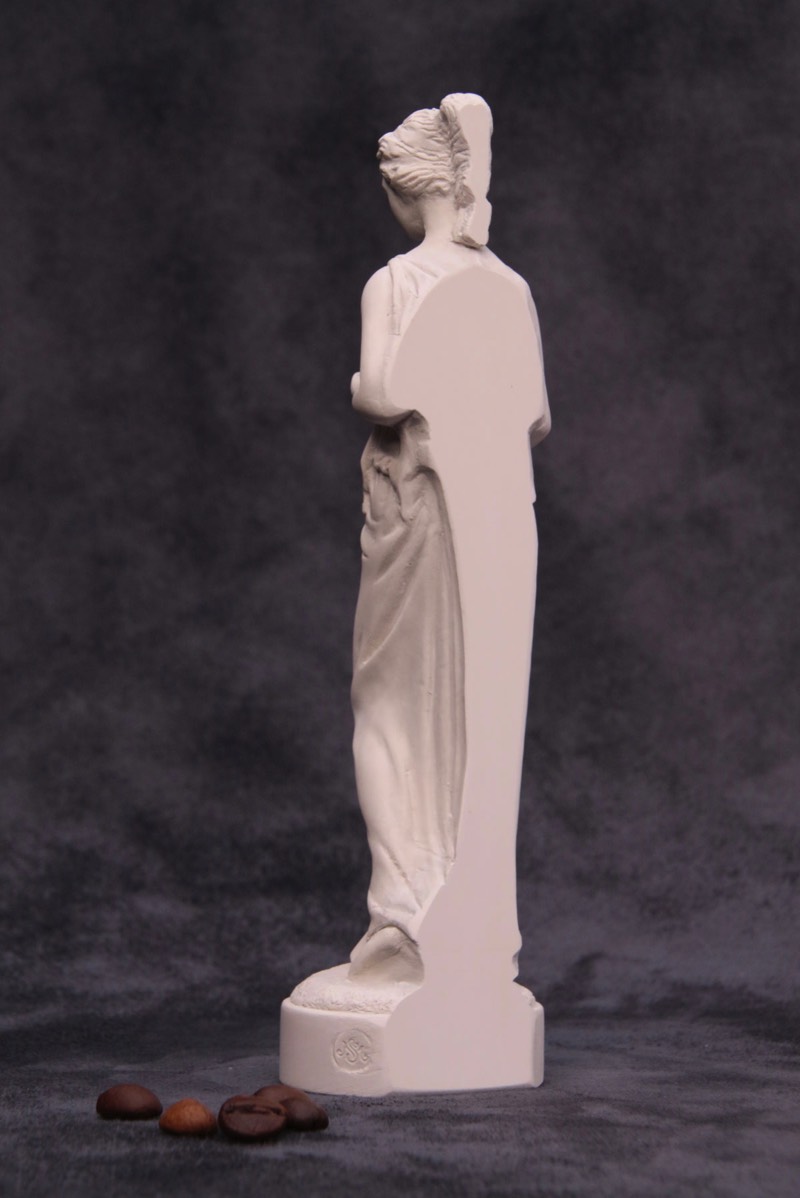
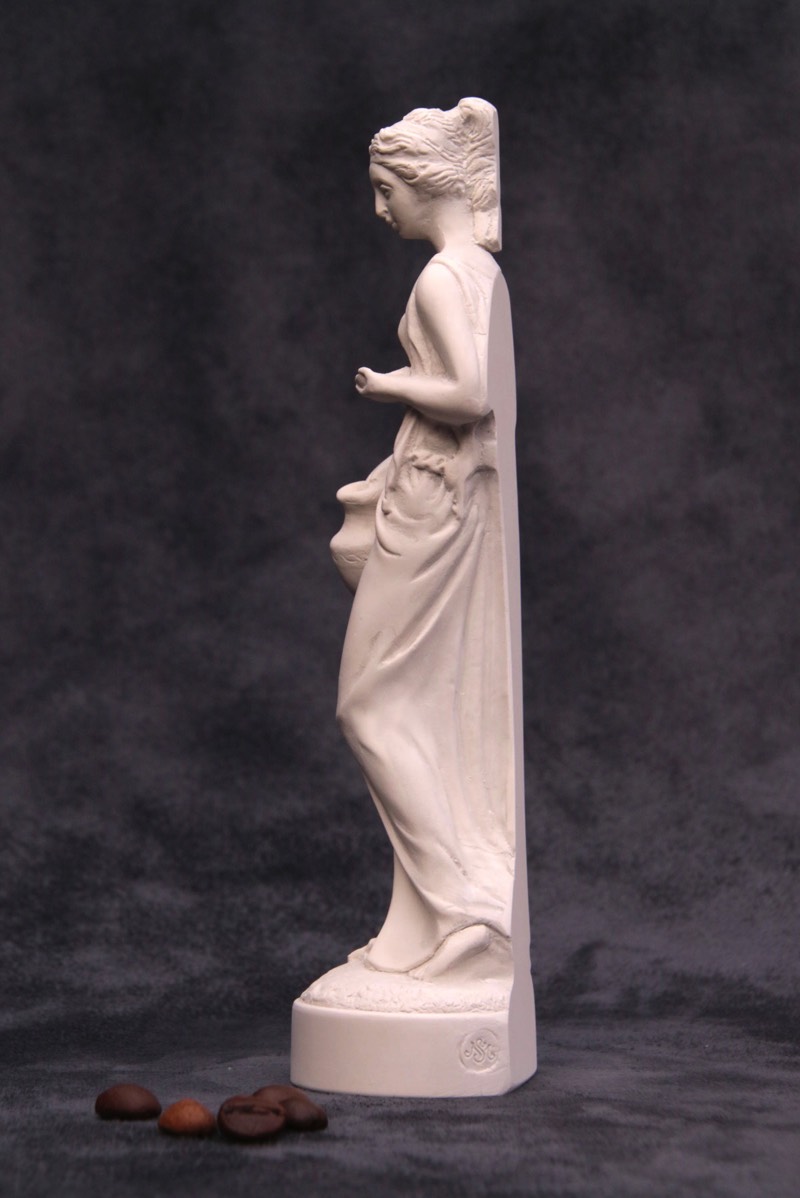
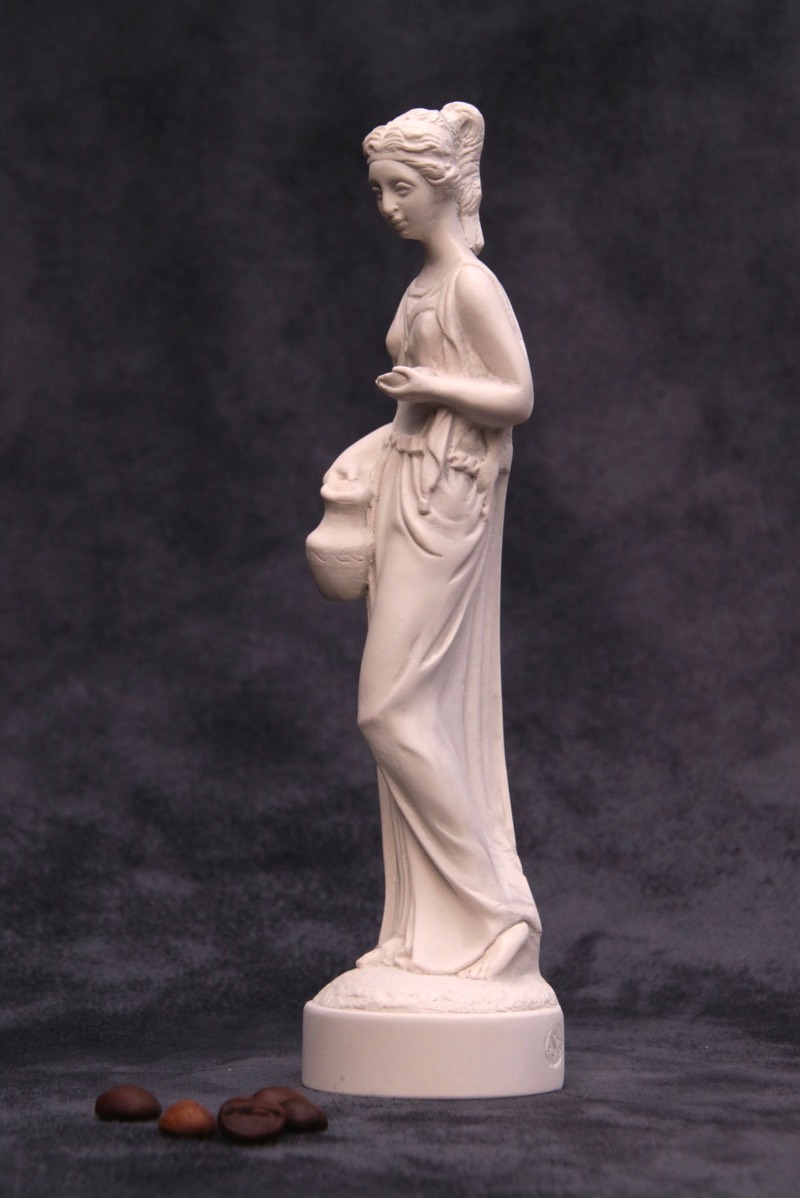
Roman Lady Figure
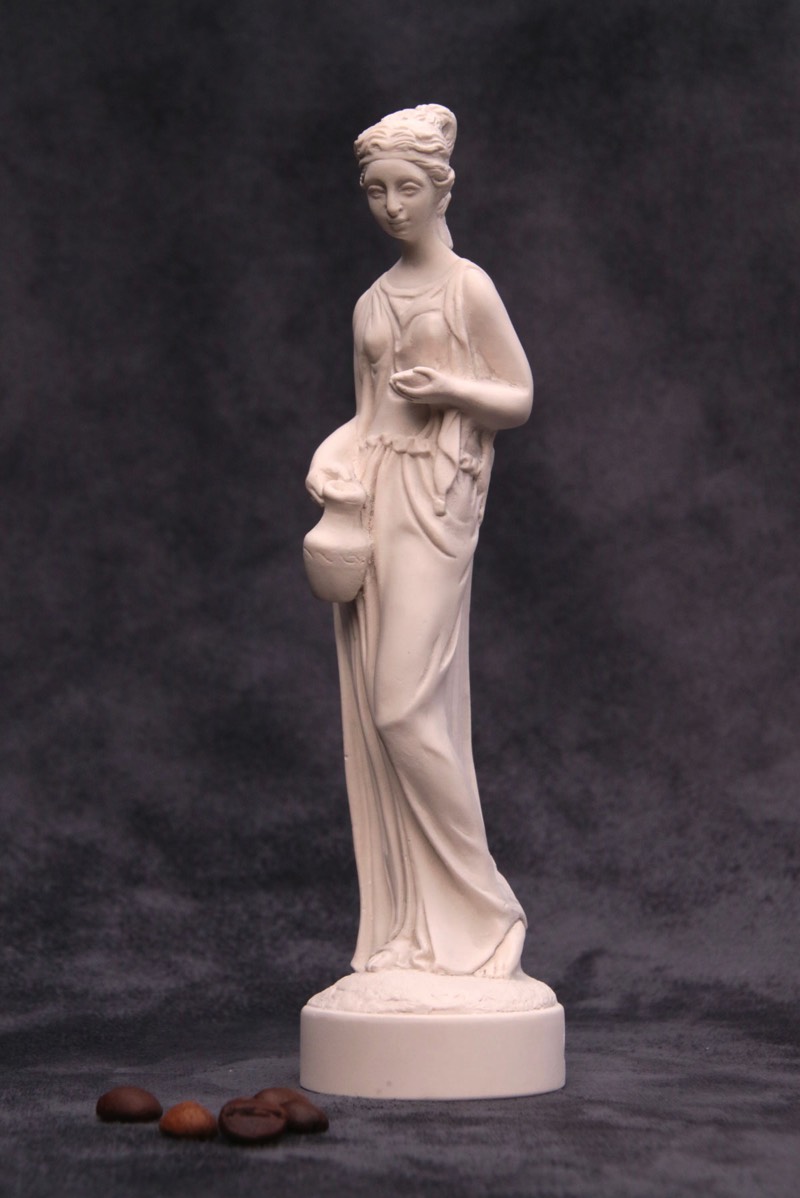
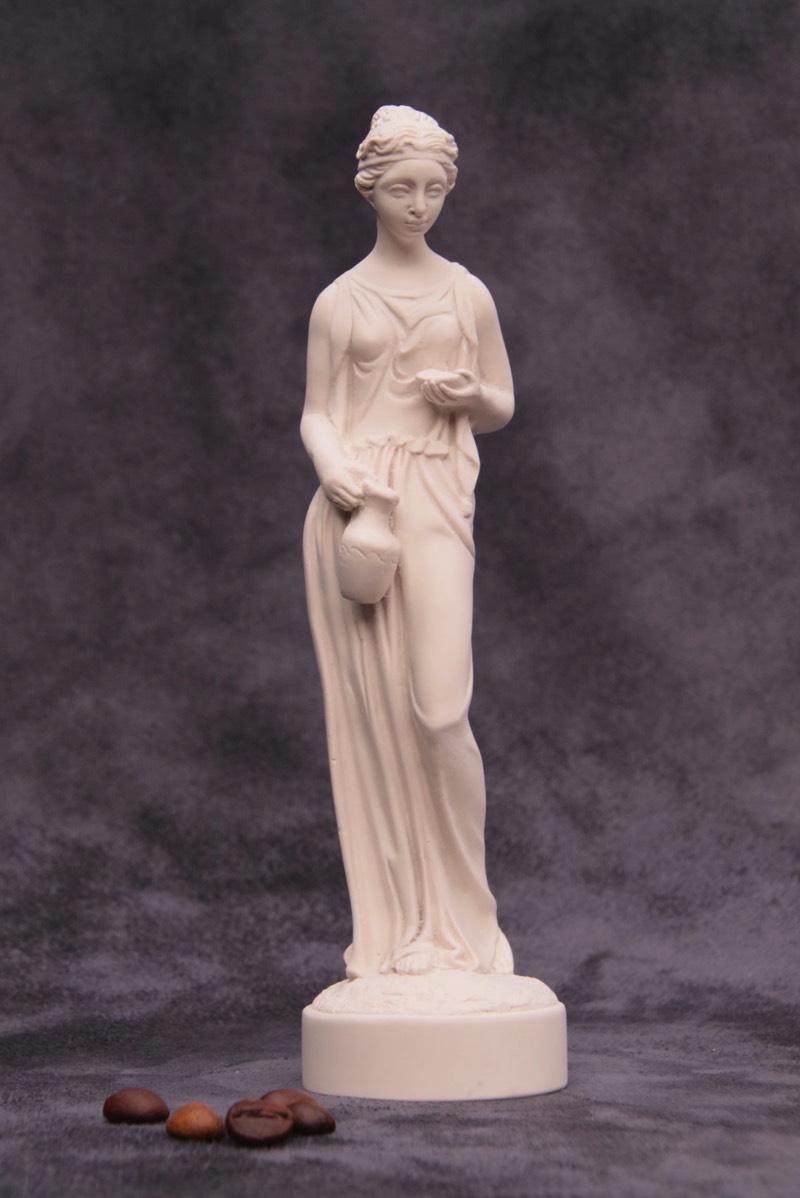
The Cumaean prophetess linked to last King of Rome.
More Info
She foretold the coming of a saviour whom Christians identified as Jesus.
She was entrusted with the original Sibylline books; a source of ancient wisdom consulted throughout the history of the Republic and the Roman Empire.
One of three classical Roman female figures reproduced from a number of classical Roman designs which can be seen in various museums and stately homes.
About the Model:
Based on the Roman sculptures of the time, this figure was sculpted at our workshop in Bath and makes a classical addition to the fireplace, bookshelves or occasional table of any style of house.
These figures are cast in British gypsum plaster giving exceptional detail and smoothness to the touch.
Height: 230mm
Width: 115mm
Depth: 90mm
She was entrusted with the original Sibylline books; a source of ancient wisdom consulted throughout the history of the Republic and the Roman Empire.
One of three classical Roman female figures reproduced from a number of classical Roman designs which can be seen in various museums and stately homes.
About the Model:
Based on the Roman sculptures of the time, this figure was sculpted at our workshop in Bath and makes a classical addition to the fireplace, bookshelves or occasional table of any style of house.
These figures are cast in British gypsum plaster giving exceptional detail and smoothness to the touch.
Height: 230mm
Width: 115mm
Depth: 90mm
Classical
Canova Sleeping Lion
These reproductions were moulded directly from originals in a French private collection which were acquired around 1810 from the Canova workshop in Rome.
These reproductions were moulded directly from originals in a French private collection which were acquired around 1810 from the Canova workshop in Rome.
More Info
The original lions were created by the Italian artist, Antonio Canova (1757-1822). They were created in 1792 for the Monumental tomb of Pope Clement XIII in St.Peter's Basilica in Rome.
In the early 19th century a new interest in modern sculpture in the classical style developed, centred on the work of the Italian sculptor Antonio Canova. In Britain, his greatest patron was the 6th Duke of Devonshire whose gallery survives at the Chatsworth in Derbyshire.
Many British collectors developed a taste for classical sculpture during the Grand Tour that they took through Europe as young men. On their return, they commissioned specially designed settings for the sculpture they had bought, either in their London or their country houses.
Large - Length 32cm
In the early 19th century a new interest in modern sculpture in the classical style developed, centred on the work of the Italian sculptor Antonio Canova. In Britain, his greatest patron was the 6th Duke of Devonshire whose gallery survives at the Chatsworth in Derbyshire.
Many British collectors developed a taste for classical sculpture during the Grand Tour that they took through Europe as young men. On their return, they commissioned specially designed settings for the sculpture they had bought, either in their London or their country houses.
Large - Length 32cm
Canova Crouching Lion
In the early 19th century a new interest in modern sculpture in the classical style developed, centred on the work of the Italian sculptor Antonio Canova.
In the early 19th century a new interest in modern sculpture in the classical style developed, centred on the work of the Italian sculptor Antonio Canova.
More Info
In Britain, his greatest patron was the 6th Duke of Devonshire whose gallery survives at the Chatsworth in Derbyshire.
Many British collectors developed a taste for classical sculpture during the Grand Tour that they took through Europe as young men.
On their return, they commissioned specially designed settings for the sculpture they had bought, either in their London or their country houses.
These reproductions were moulded directly from originals in a French private collection which were acquired around 1810 from the Canova workshop in Rome. The original lions were created by the Italian artist, Antonio Canova (1757-1822).
They were created in 1792 for the Monumental tomb of Pope Clement XIII in St.Peter's Basilica in Rome.
Large - Length 32cm
Many British collectors developed a taste for classical sculpture during the Grand Tour that they took through Europe as young men.
On their return, they commissioned specially designed settings for the sculpture they had bought, either in their London or their country houses.
These reproductions were moulded directly from originals in a French private collection which were acquired around 1810 from the Canova workshop in Rome. The original lions were created by the Italian artist, Antonio Canova (1757-1822).
They were created in 1792 for the Monumental tomb of Pope Clement XIII in St.Peter's Basilica in Rome.
Large - Length 32cm
Classical Lady Head
Rudolph Schadow (1786 – 1822) was a German born sculptor, who travelled to Italy at the tender age of 10 to begin his artistic education.
Rudolph Schadow (1786 – 1822) was a German born sculptor, who travelled to Italy at the tender age of 10 to begin his artistic education.
More Info
Schadow's style was greatly influenced by the work of Antonio Canova and Bertel Thorvaldsen.
This piece is a reproduction of the head from Rudolph Schadow’s 'The Spinner'.
Schadow’s sculpture depicts a young girl spinning, which proved to be extremely popular among those visiting Rome in the early 1800's.
Height: 230mm
Width: 115mm
Depth: 90mm
Weight 2 kg
This piece is a reproduction of the head from Rudolph Schadow’s 'The Spinner'.
Schadow’s sculpture depicts a young girl spinning, which proved to be extremely popular among those visiting Rome in the early 1800's.
Height: 230mm
Width: 115mm
Depth: 90mm
Weight 2 kg
Click on the image to enlarge.
Head of Classical Lady (Set of 2)
Rudolph Schadow (1786 – 1822) was a German born sculptor, who travelled to Italy at the tender age of 10 to begin his artistic education.
Rudolph Schadow (1786 – 1822) was a German born sculptor, who travelled to Italy at the tender age of 10 to begin his artistic education.
More Info
Schadow's style was greatly influenced by the work of Antonio Canova and Bertel Thorvaldsen.
This piece is a reproduction of the head from Rudolph Schadow’s 'The Spinner'.
Schadow’s sculpture depicts a young girl spinning, which proved to be extremely popular among those visiting Rome in the early 1800's.
Height: 230mm
Width: 115mm
Depth: 90mm
This piece is a reproduction of the head from Rudolph Schadow’s 'The Spinner'.
Schadow’s sculpture depicts a young girl spinning, which proved to be extremely popular among those visiting Rome in the early 1800's.
Height: 230mm
Width: 115mm
Depth: 90mm
Classical Foot Paperweight
During the 19th Century, beautiful statues and architecture in Greece and Rome were destroyed.
During the 19th Century, beautiful statues and architecture in Greece and Rome were destroyed.
More Info
Parts of them were sold to wealthy travellers on the “Grand Tour”.
The original foot was part of a statue of a Greek Goddess that would have reached approximately 35ft, dating back to BC 150 - BC 50 and can be seen at Chatsworth House, England. There is a right foot that is thought to match the left at Staaliche Museum in Berlin.
Height: 70mm
Width: 100mm
Depth: 175mm
The original foot was part of a statue of a Greek Goddess that would have reached approximately 35ft, dating back to BC 150 - BC 50 and can be seen at Chatsworth House, England. There is a right foot that is thought to match the left at Staaliche Museum in Berlin.
Height: 70mm
Width: 100mm
Depth: 175mm
Autumn Figure
The origins of this figure are unknown, but it is clear this one was sculpted to represent Autumn.
More Info
Traditionally Autumn is depicted as a woman bearing baskets of grapes, symbolising hospitality and abundance. In classical antiquity, the cornucopia (horn of plenty) is a symbol of Autumnal bounty.
Height: 195mm
Width: 55mm
Depth: 40mm
Height: 195mm
Width: 55mm
Depth: 40mm
Spring Figure
The provenance of this replica is unknown, but we believe it to represent Flora, the Goddess of Spring in Ancient Rome.
The provenance of this replica is unknown, but we believe it to represent Flora, the Goddess of Spring in Ancient Rome.
More Info
She was often depicted with flowering plants, especially those that bore fruit. Her festival, the Floralia, took place in April or early May and was marked with dancing, drinking, and flowers.
One of three classical Roman female figures reproduced from a number of classical Roman designs which can be seen in various museums and stately homes.
Height: 185mm
Width: 40mm
Depth: 40mm
One of three classical Roman female figures reproduced from a number of classical Roman designs which can be seen in various museums and stately homes.
Height: 185mm
Width: 40mm
Depth: 40mm
Roman Lady Figure
The Cumaean prophetess linked to last King of Rome.
More Info
She foretold the coming of a saviour whom Christians identified as Jesus.
She was entrusted with the original Sibylline books; a source of ancient wisdom consulted throughout the history of the Republic and the Roman Empire.
One of three classical Roman female figures reproduced from a number of classical Roman designs which can be seen in various museums and stately homes.
About the Model:
Based on the Roman sculptures of the time, this figure was sculpted at our workshop in Bath and makes a classical addition to the fireplace, bookshelves or occasional table of any style of house.
These figures are cast in British gypsum plaster giving exceptional detail and smoothness to the touch.
Height: 230mm
Width: 115mm
Depth: 90mm
She was entrusted with the original Sibylline books; a source of ancient wisdom consulted throughout the history of the Republic and the Roman Empire.
One of three classical Roman female figures reproduced from a number of classical Roman designs which can be seen in various museums and stately homes.
About the Model:
Based on the Roman sculptures of the time, this figure was sculpted at our workshop in Bath and makes a classical addition to the fireplace, bookshelves or occasional table of any style of house.
These figures are cast in British gypsum plaster giving exceptional detail and smoothness to the touch.
Height: 230mm
Width: 115mm
Depth: 90mm
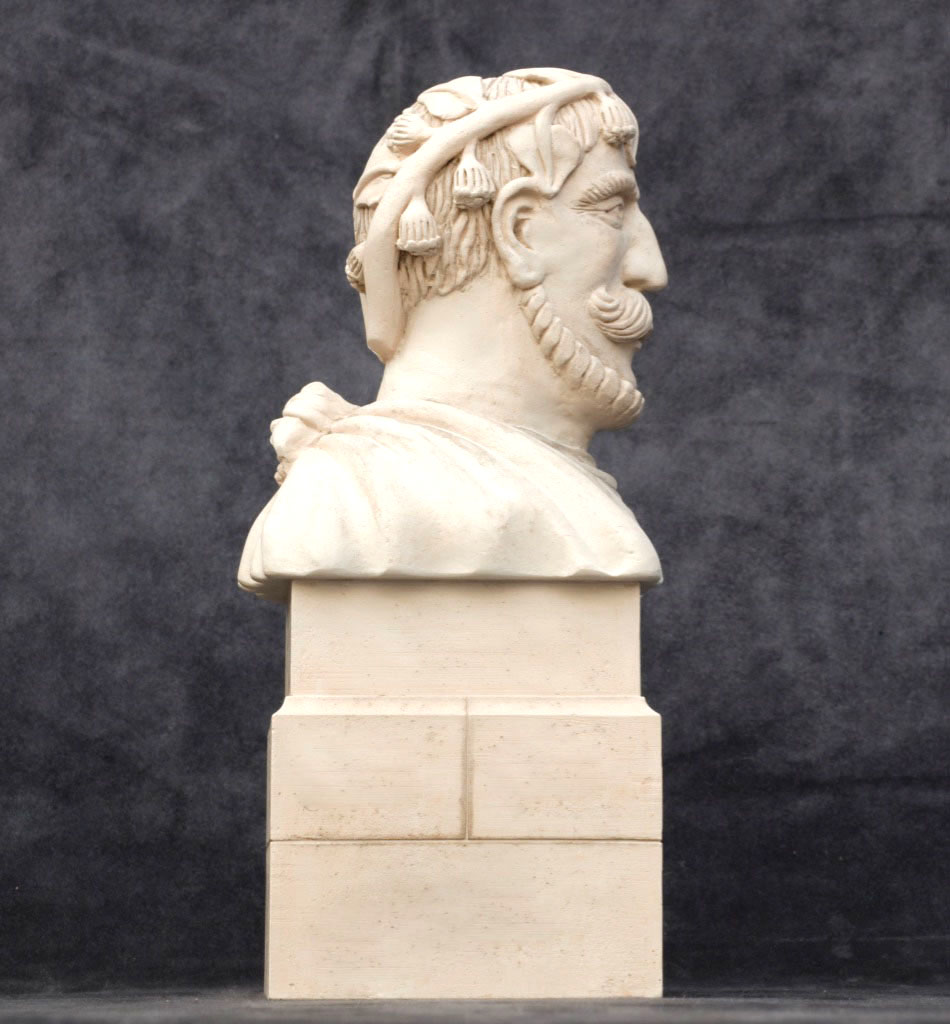
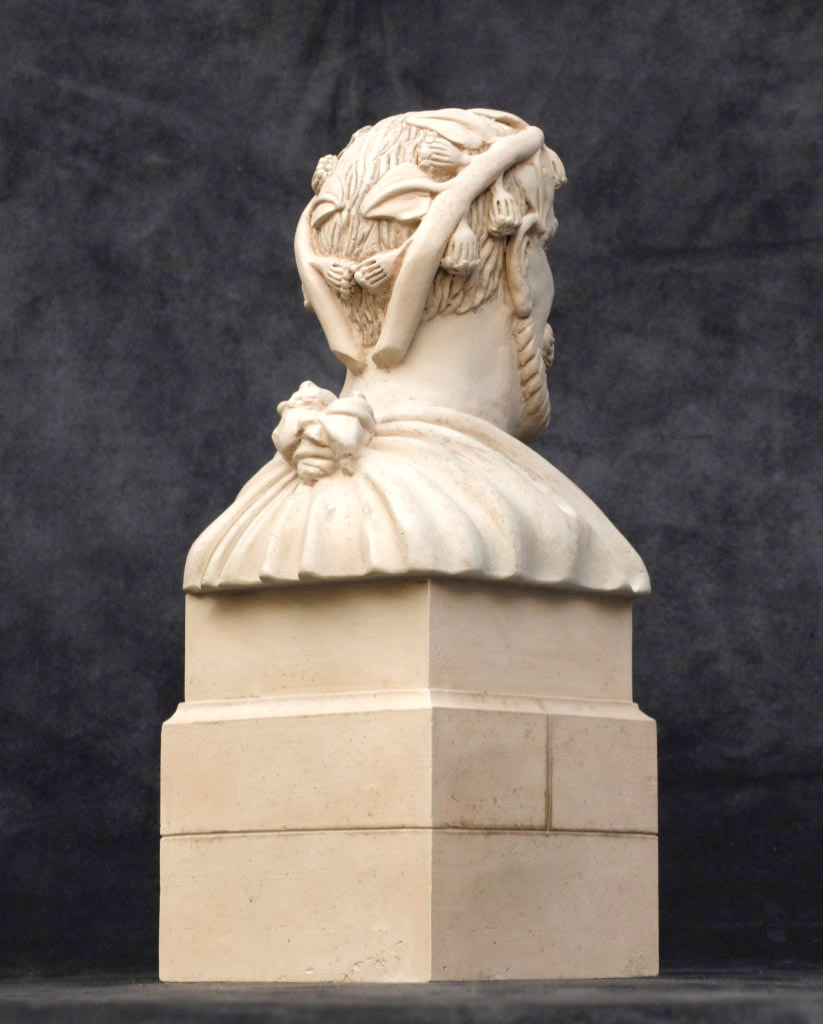
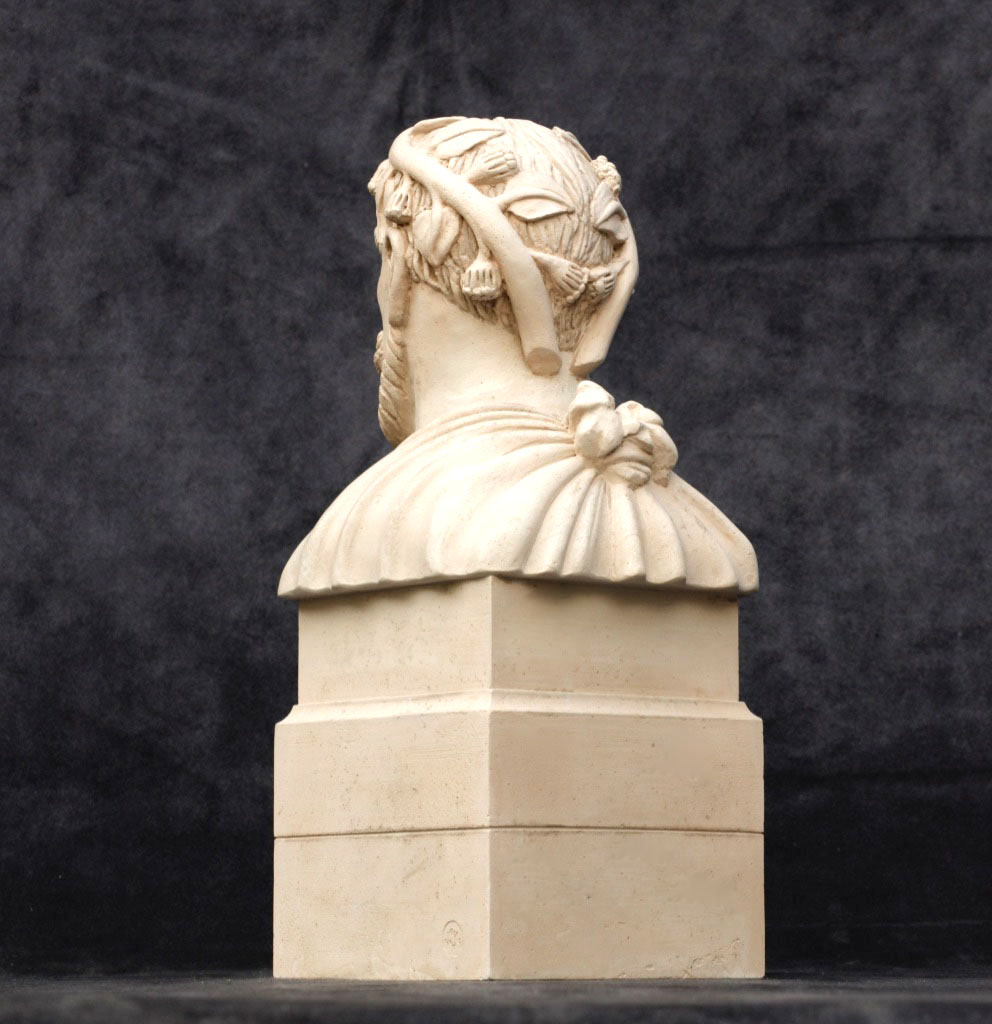
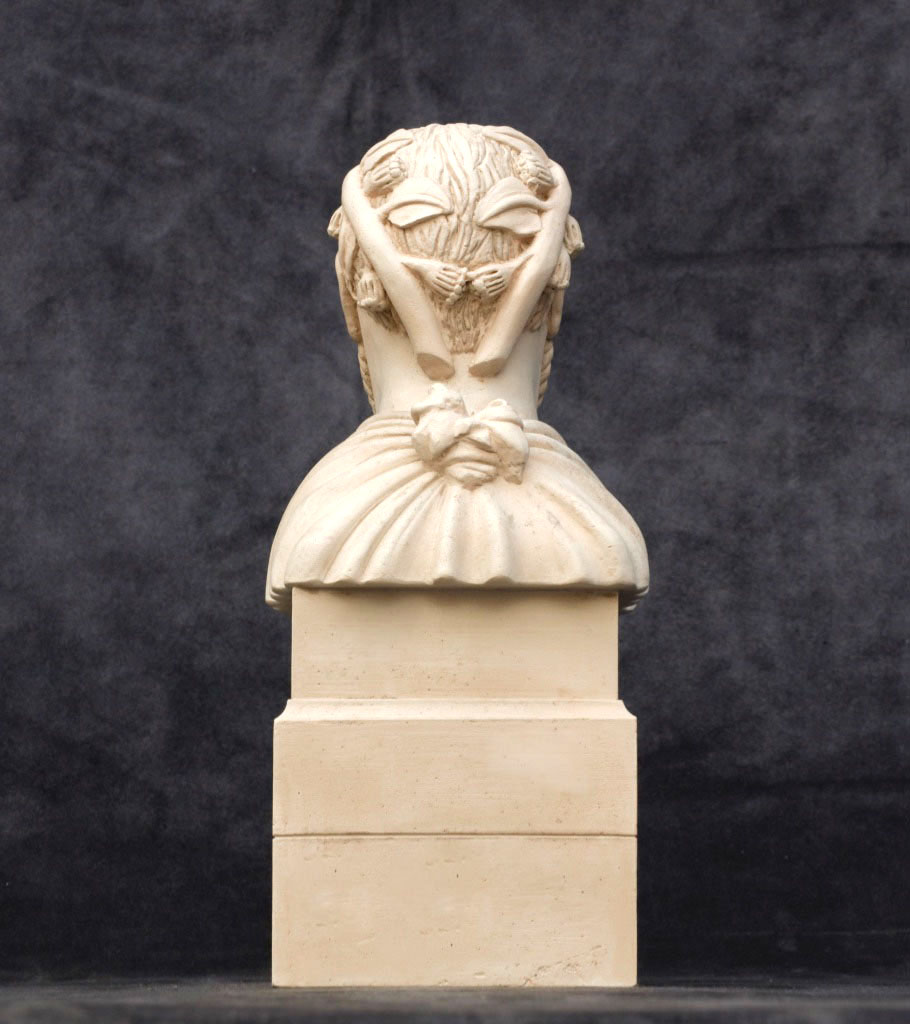
Emperor's Head Oxford
There are thirteen square pillars topped by head-and-shoulder busts marking the front boundary of the Sheldonian and erected when it was built in 1662–8.
When the Old Ashmolean (now the Museum of the History of Science) was built next door in 1679–83, another four matching heads were carved to go in front of it.
The official name for such heads is “herms”; the original accounts describe these heads as “termains”; and some people call them philosophers.
But Max Beerbohm in Zuleika Dobson called them “Emperors”, and that is the name that has stuck. Each head shows a different type of beard.