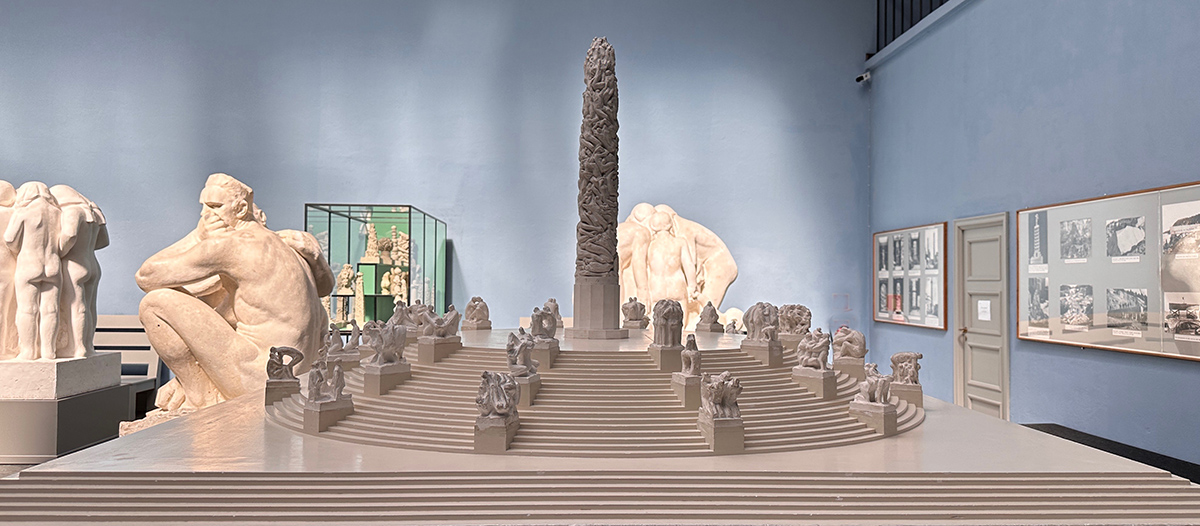
Vigeland Museet Shop
We are the sculpture suppliers for the
Vigeland Museet in Oslo Norway.
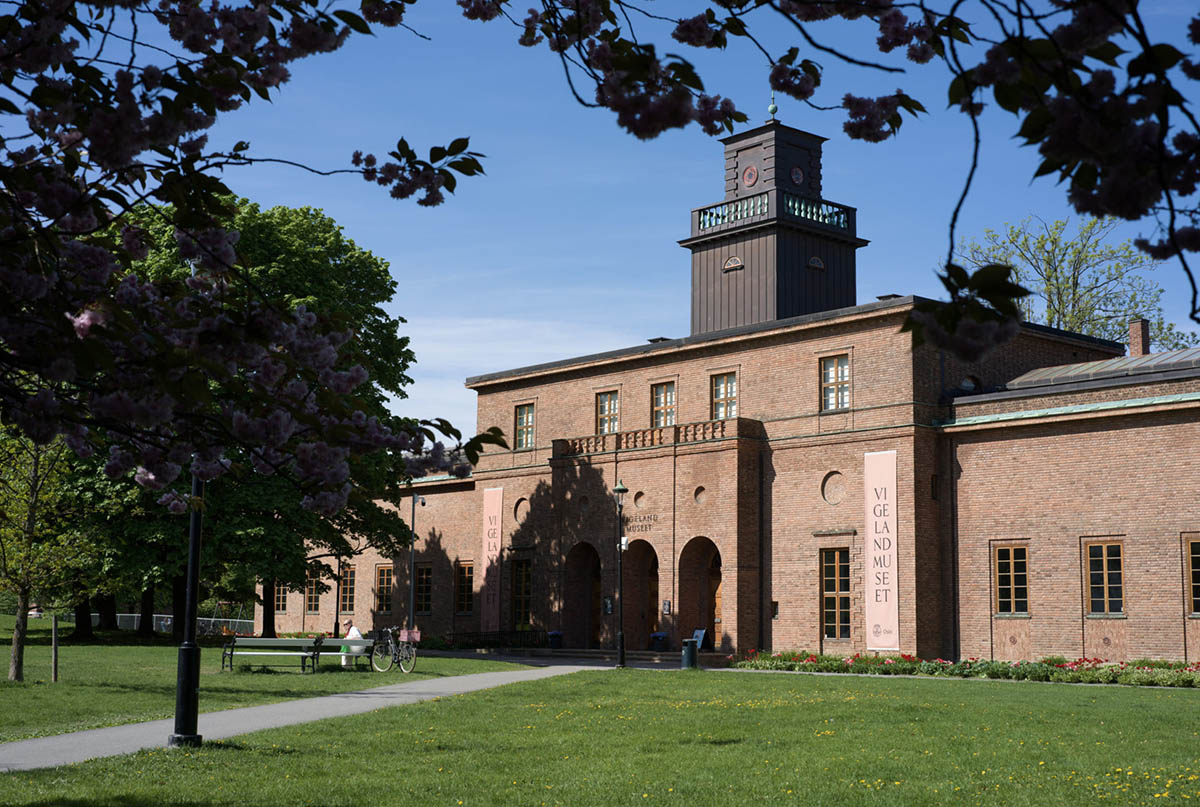
We work in cooperation with the Vigeland Museum in Oslo,
fulfilling orders of the unique and growing
Gustav Vigeland collection.

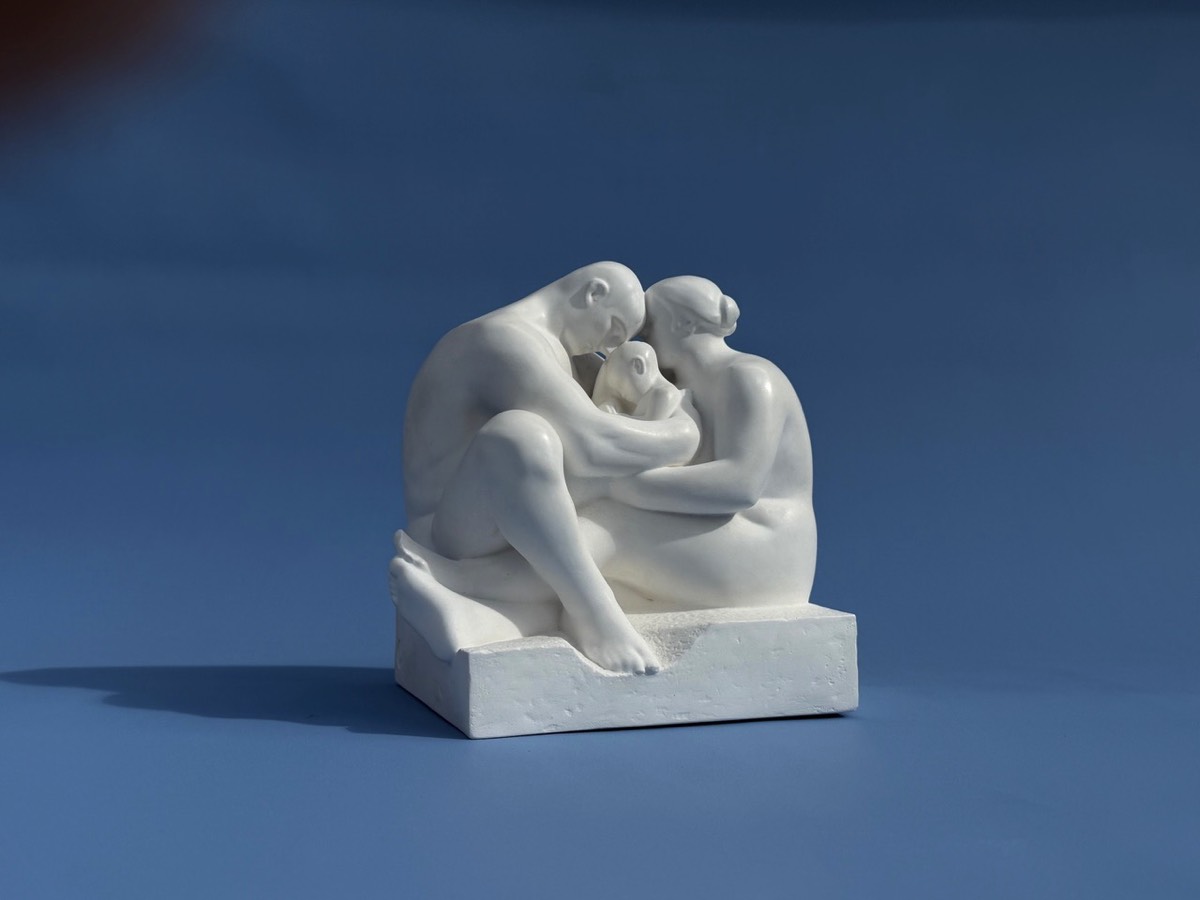
Family
Lorem ipsum dolor sit amet, sapien platea morbi dolor lacus nunc, nunc ullamcorper. Felis aliquet egestas vitae, nibh ante quis quis dolor sed mauris. Erat lectus sem ut lobortis, adipiscing ligula eleifend, sodales fringilla mattis dui nullam. Ac massa aliquet.
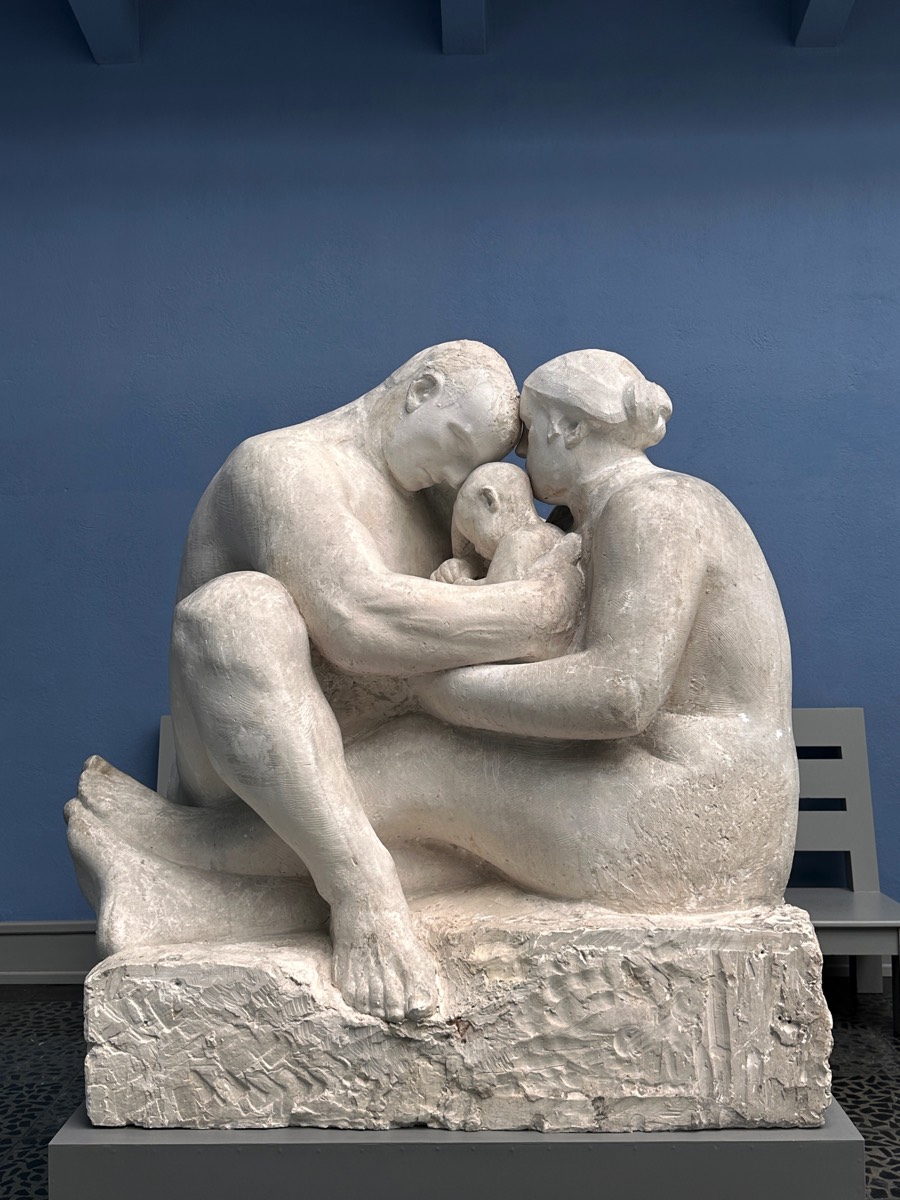
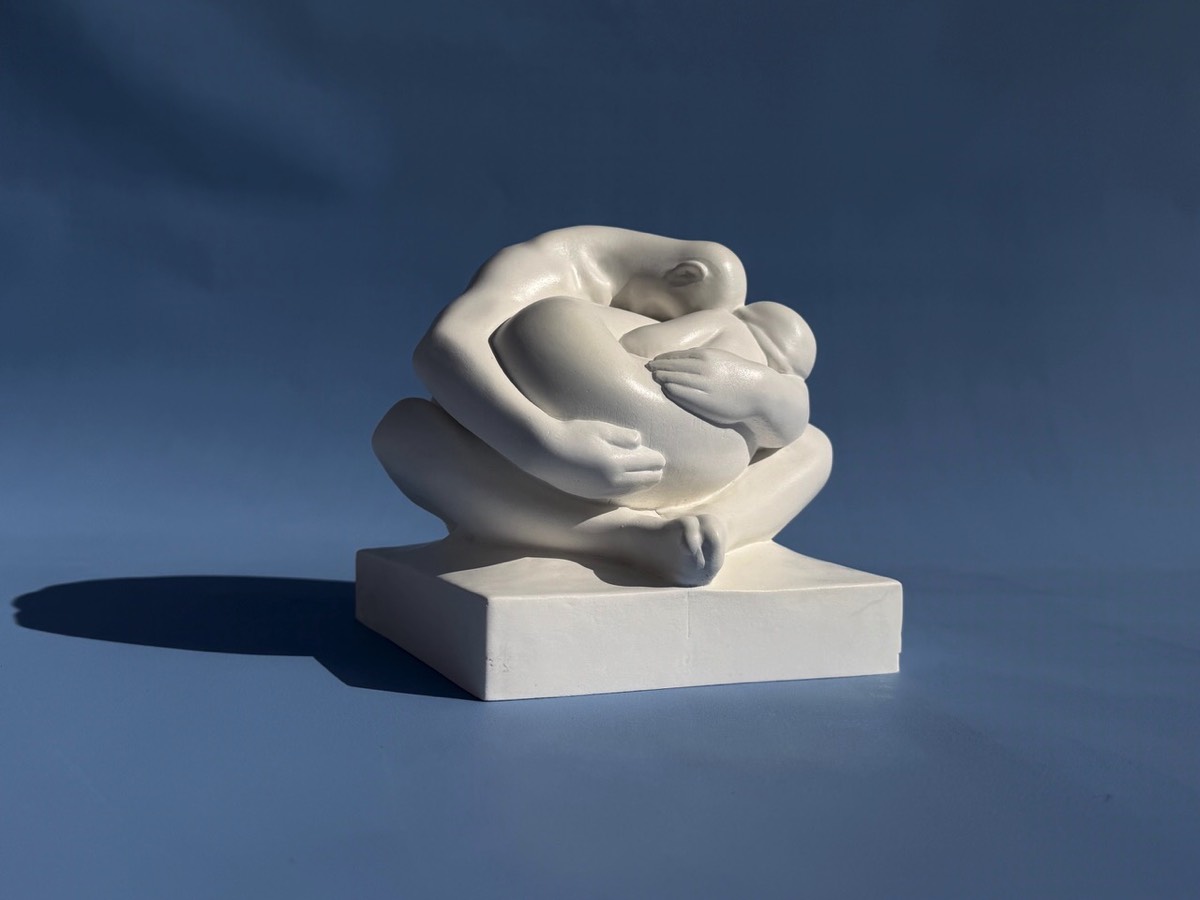
Man Cradling Woman
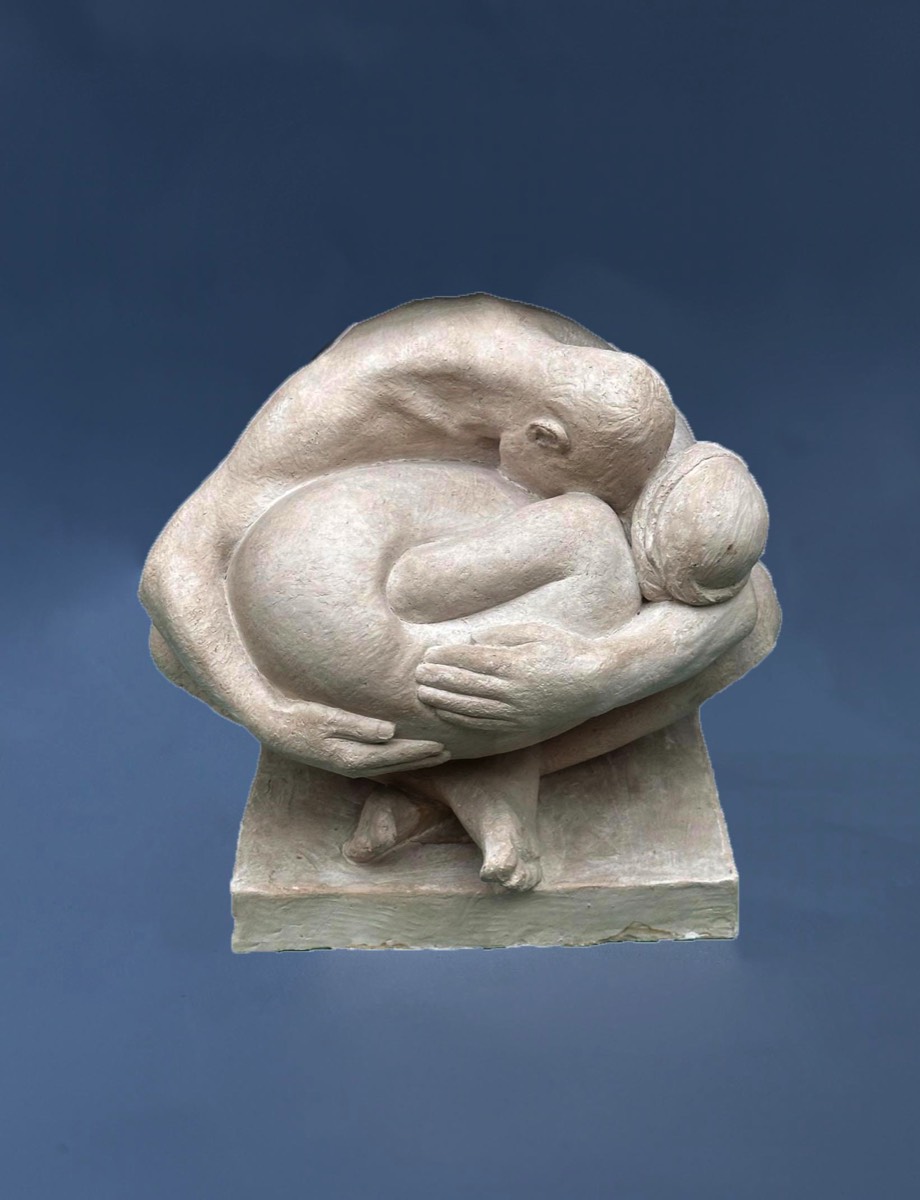
by Gustav Vigeland
Lorem ipsum dolor sit amet, sapien platea morbi dolor lacus nunc, nunc ullamcorper. Felis aliquet egestas vitae, nibh ante quis quis dolor sed mauris. Erat lectus sem ut lobortis, adipiscing ligula eleifend, sodales fringilla mattis dui nullam. Ac massa aliquet.
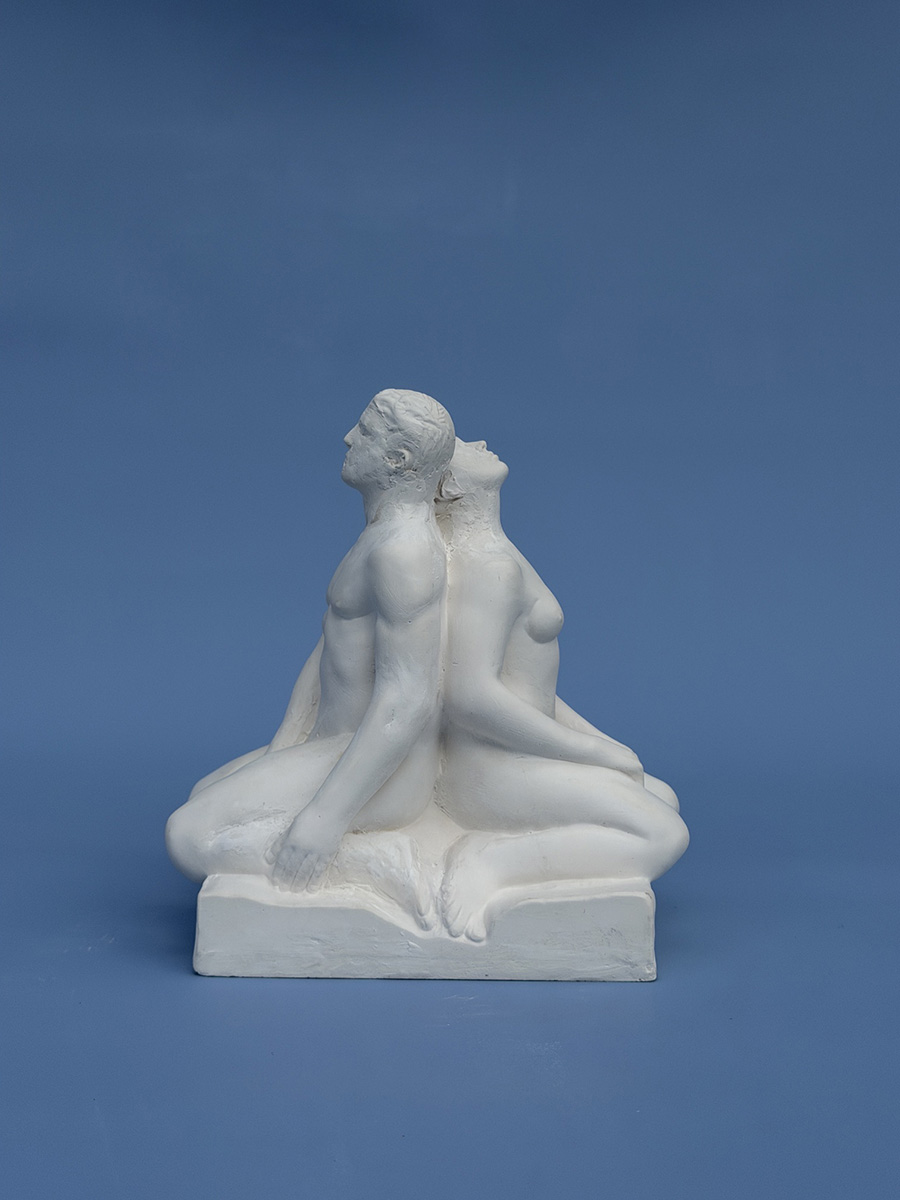
Man Cradling Woman
by Gustav Vigeland
Lorem ipsum dolor sit amet, sapien platea morbi dolor lacus nunc, nunc ullamcorper. Felis aliquet egestas vitae, nibh ante quis quis dolor sed mauris. Erat lectus sem ut lobortis, adipiscing ligula eleifend, sodales fringilla mattis dui nullam. Ac massa aliquet.
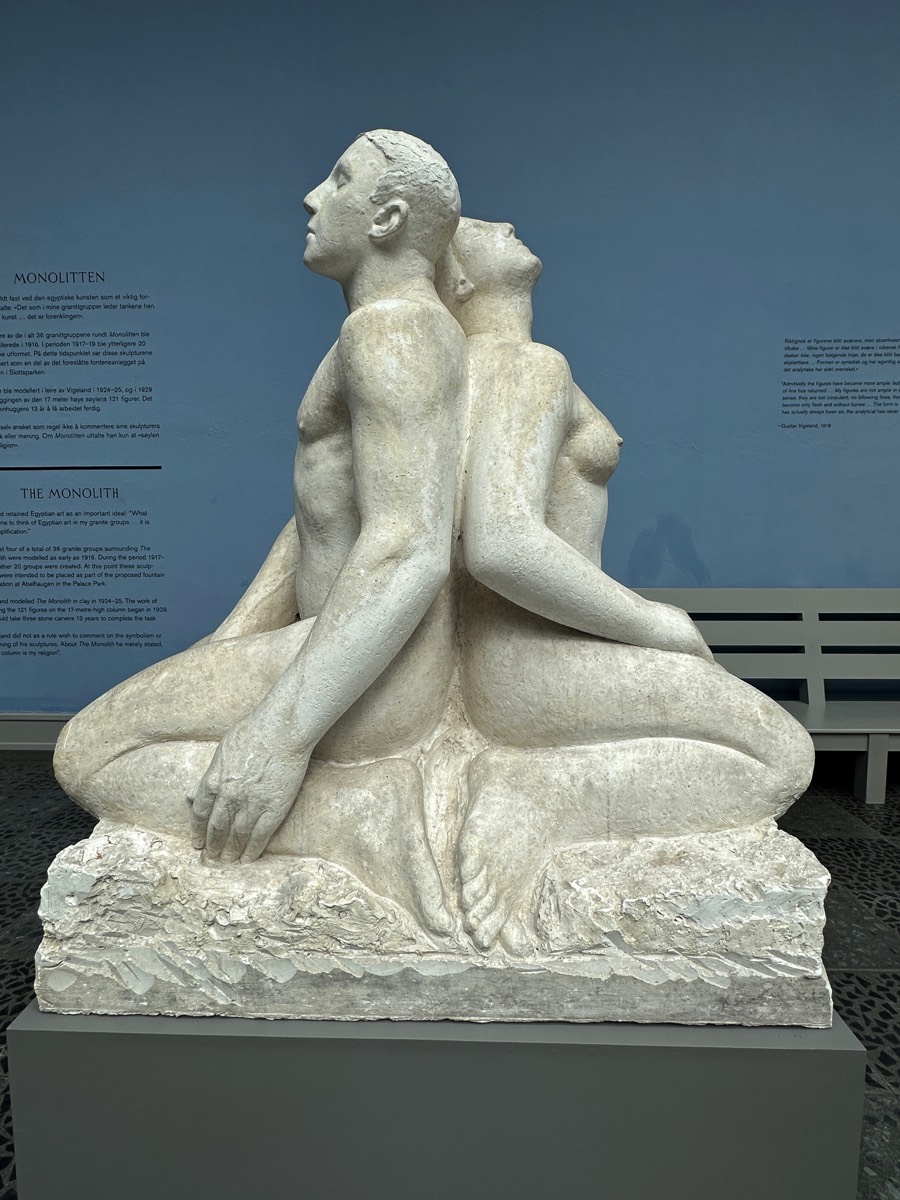
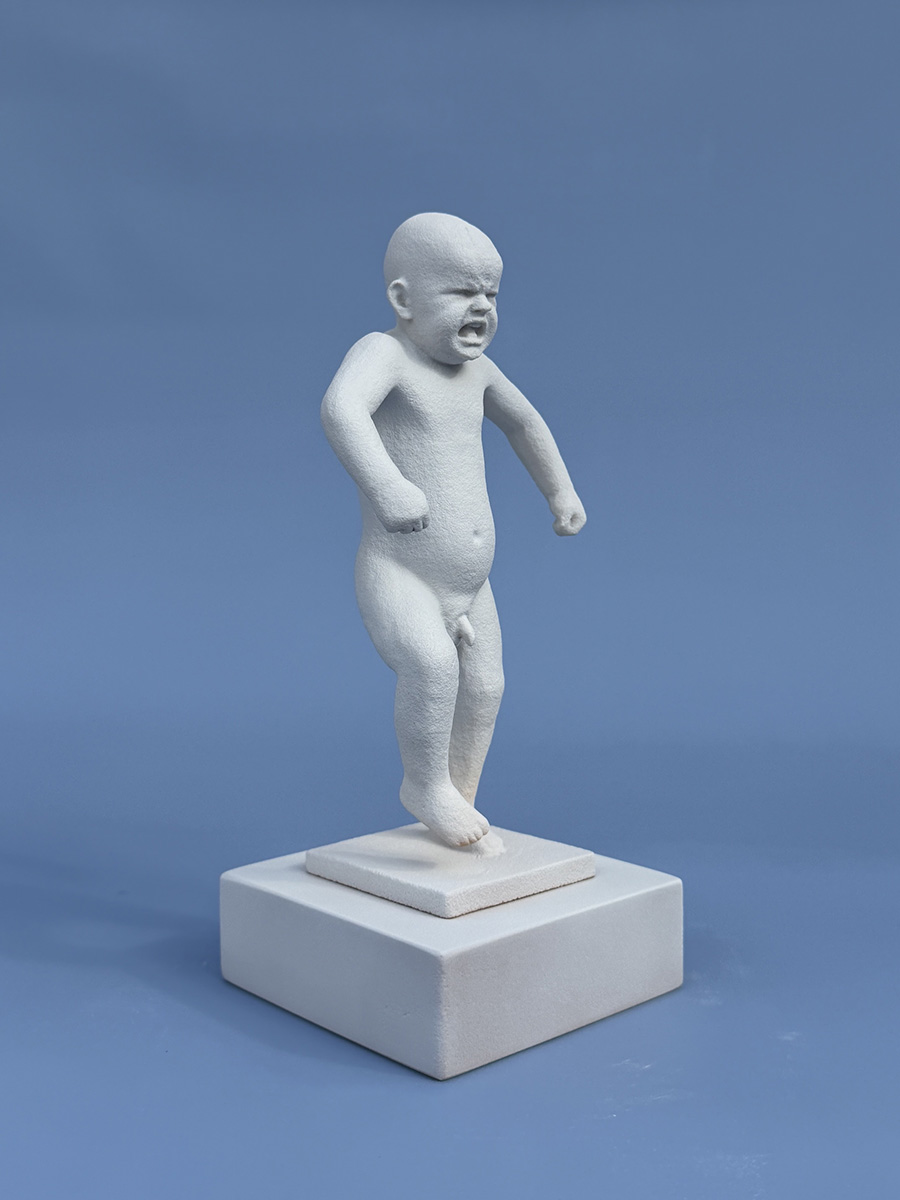
Man Cradling Woman
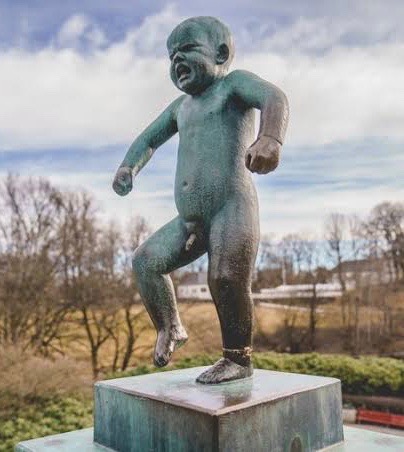
by Gustav Vigeland
Lorem ipsum dolor sit amet, sapien platea morbi dolor lacus nunc, nunc ullamcorper. Felis aliquet egestas vitae, nibh ante quis quis dolor sed mauris. Erat lectus sem ut lobortis, adipiscing ligula eleifend, sodales fringilla mattis dui nullam. Ac massa aliquet.
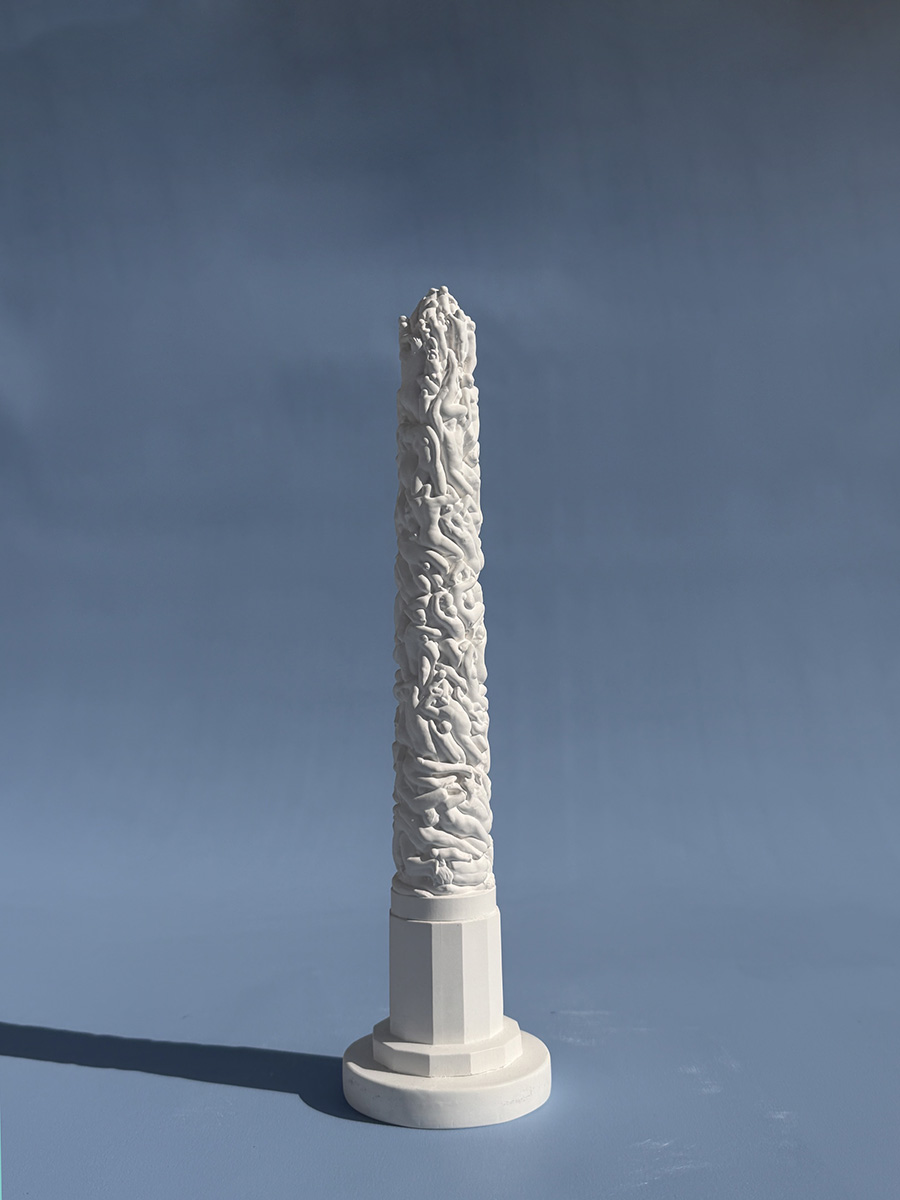
Man Cradling Woman
by Gustav Vigeland
Lorem ipsum dolor sit amet, sapien platea morbi dolor lacus nunc, nunc ullamcorper. Felis aliquet egestas vitae, nibh ante quis quis dolor sed mauris. Erat lectus sem ut lobortis, adipiscing ligula eleifend, sodales fringilla mattis dui nullam. Ac massa aliquet.
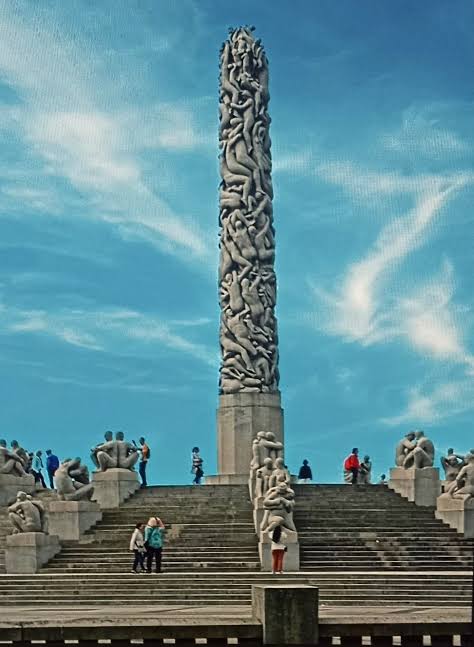
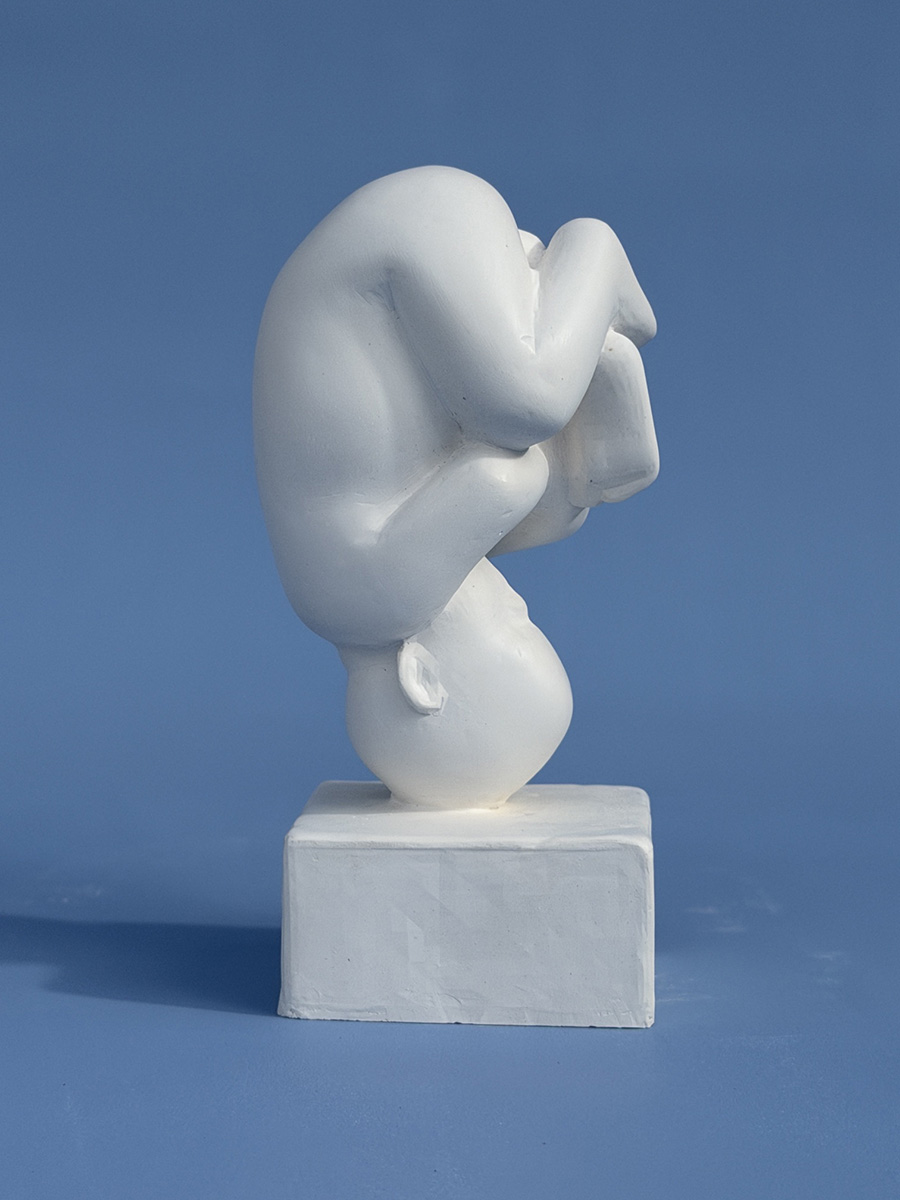
Man Cradling Woman
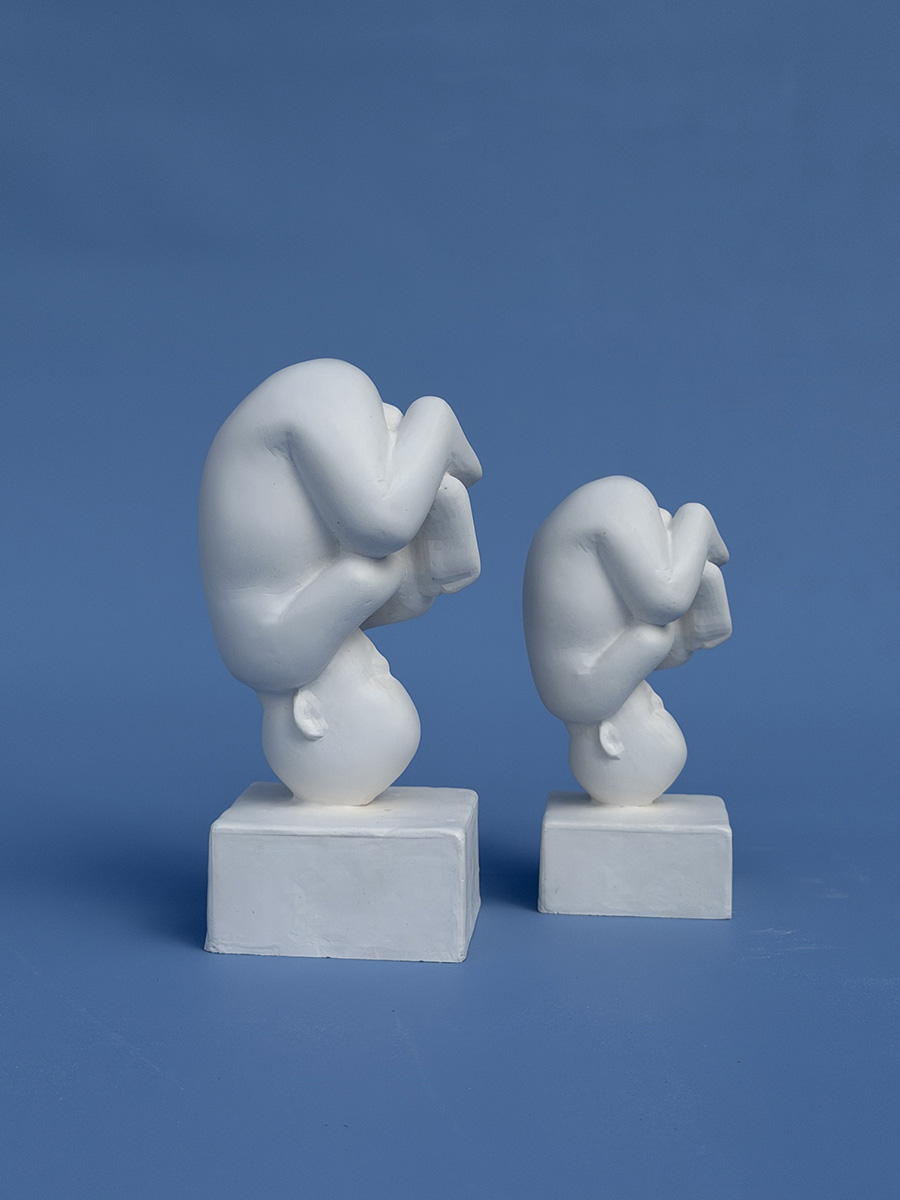
by Gustav Vigeland
Lorem ipsum dolor sit amet, sapien platea morbi dolor lacus nunc, nunc ullamcorper. Felis aliquet egestas vitae, nibh ante quis quis dolor sed mauris. Erat lectus sem ut lobortis, adipiscing ligula eleifend, sodales fringilla mattis dui nullam. Ac massa aliquet.
This is an international collaboration between
Prime Sculpting & Modern Souvenir Company
United Kingdom
and
VIGELAND MUSEET, FROGNER PARK, OLSO, NORWAY
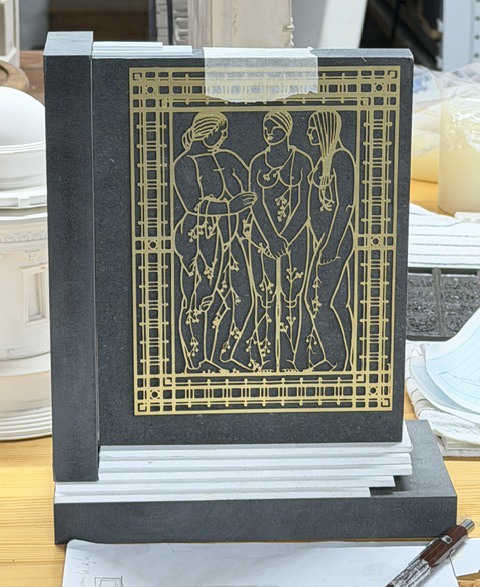
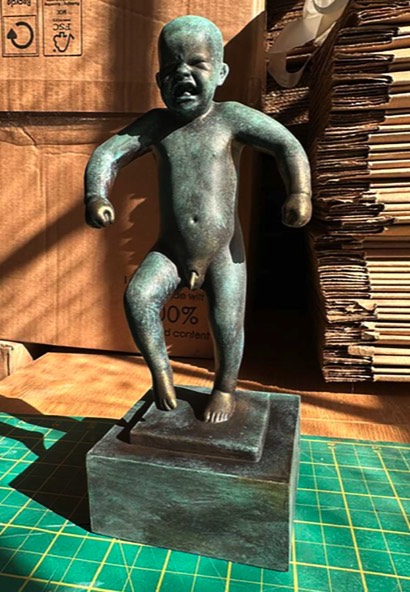
All our models are made to order, hand crafted in Plaster, Bronze, Jesmonite and cold cast Bronze.
The models may take time to cast and dry before being shipped.
If you have any queries regarding shipping, please contact us: info@primesculpting.com
Contact for UK supplier
e: info@primesculpting.com
Contact the Vigeland Museum in Oslo:
e. butikk@vigeland.museum.no

We are compliant with GPSR regulations.
Authorised Representative details, “Global Trade Department (NI) Ltd, Office 834, Unit 6, 100 Lisburn Road, Belfast, BT9 6AG, Northern Ireland; contact@globaltradedept.com
Vigeland Museet Shop
We are the sculpture suppliers for the
Vigeland Museet in Oslo Norway.
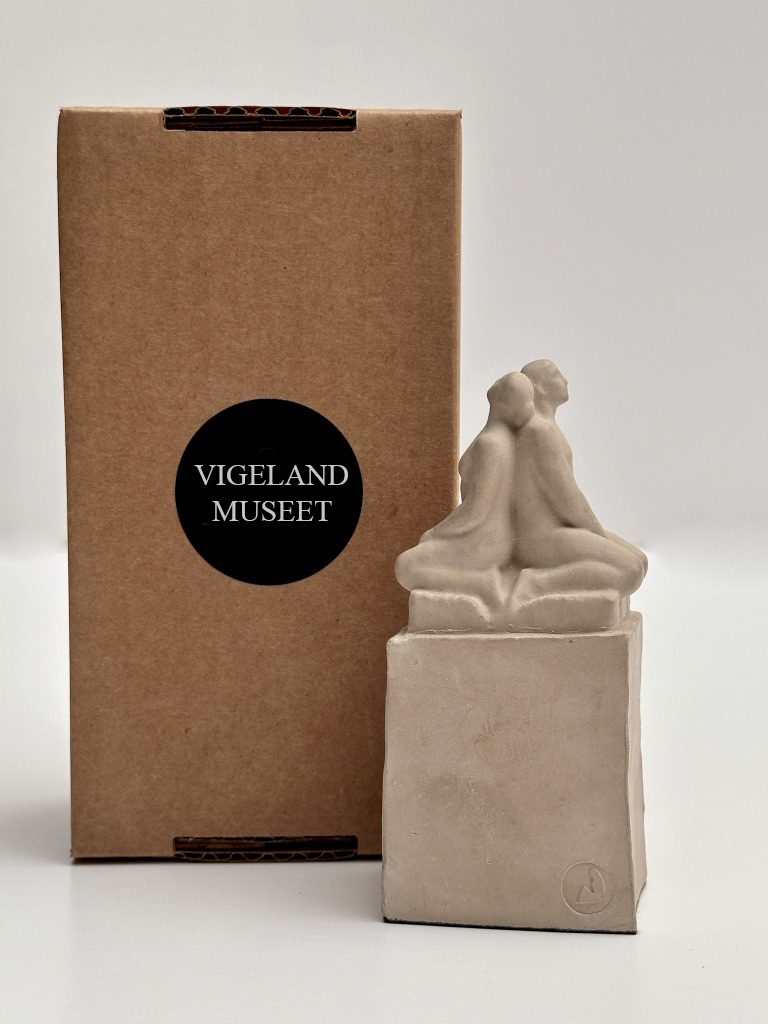
We work in cooperation with the Vigeland Museum in Oslo,
fulfilling orders of the unique and growing
Gustav Vigeland collection.
This is an international collaboration between
Prime Sculpting & Modern Souvenir Company
United Kingdom
and
VIGELAND MUSEET, FROGNER PARK, OLSO, NORWAY
All our models are made to order, hand crafted in Plaster, Bronze, Jesmonite and cold cast Bronze.
The models may take time to cast and dry before being shipped.
If you have any queries regarding shipping, please contact us: info@primesculpting.com
Contact for UK supplier
e: info@primesculpting.com
Contact the Vigeland Museum in Oslo:
e. butikk@vigeland.museum.no
We are compliant with GPSR regulations.
Authorised Representative details, “Global Trade Department (NI) Ltd, Office 834, Unit 6, 100 Lisburn Road, Belfast, BT9 6AG, Northern Ireland; contact@globaltradedept.com